Animal Health

Edition: 0

Copyright: 2026

Pages: 128

Choose Your Format

Ebook

$70.00 USD

ISBN 9798319731456

Details Electronic Delivery EBOOK 180 days

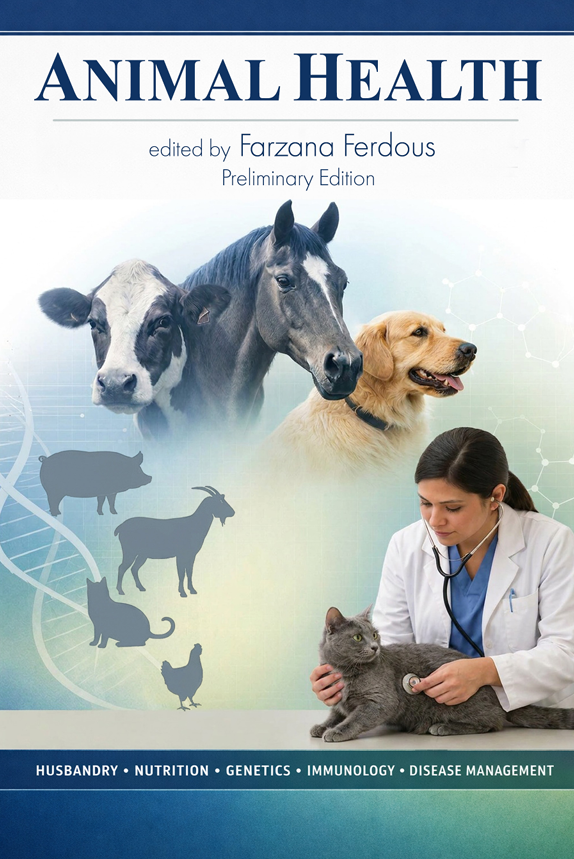
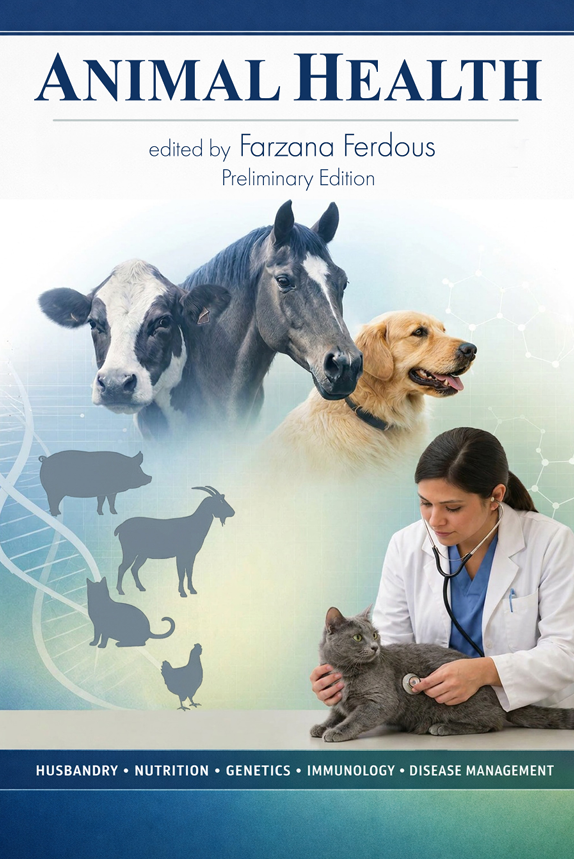
Animal Health provides a practical foundation for understanding livestock health, disease prevention, and the factors that influence animal well-being and productivity. The text begins by examining the history and global impact of animal diseases, the role of disease prevention organizations, and core principles of livestock health. It then explores herd health management, disease transmission, biosecurity, herd immunity, environmental stress, nutrition, injury management, euthanasia, and carcass disposal. Through case studies and targeted interventions, students learn how to identify and reduce health risks within livestock operations.

The later chapters focus on immunity and vaccination, including innate and adaptive immunity, antibodies, vaccine types, administration, and causes of vaccine failure. Additional topics address nutrition, vitamins, minerals, animal feeds, genetics and breeding, heredity, genetic abnormalities, and the digestive system and its associated diseases. Overall, the book emphasizes an integrated approach to animal health by connecting disease prevention, nutrition, genetics, environmental management, and digestive health to the overall well-being and productivity of livestock.

Chapter 1 The Animal Health Perspective: History, Global Impacts, and Integrated Principles 
Impacts of Human Diseases
The Societal and Economic Impacts of Human Versus Animal Diseases
Key Organizations in Disease Prevention and Response 
Historically Impactful Animal Diseases
Big Picture: Disease as a Driver of Change 
Case Study: High Mortality Versus High Morbidity Dairy Operation
The Core Principles of Livestock Health 
Emerging Frontiers in Livestock Health
Chapter 2 Principles of Herd Health: Transmission, Biosecurity, and Environmental Management
Introduction
The Six Links of The Chain
Breaking The Chain of Transmission 
Examples of Targeted Interventions by Chain Link 
Herd Immunity: Collective Protection 
Case Study 1: Calf Scours 
Case Study 2: Foot Rot in The Feedlot 
Introduction to Biosecurity 
The Three Pillars of Biosecurity
Types of Biosecurity Programs
Managing Livestock Health 
Environmental Stressors and Thermoregulation 
Mechanisms of Heat Transfer
Heat Stress In Livestock 
Cold Stress
Nutrition and Body Condition 
Vitamin and Mineral Deficiencies 
Water Quality
Environmental Toxins
Injury and Trauma In Livestock 
Injury Management and Euthanasia 
Euthanasia Methods and Carcass Disposal
Proper Carcass Disposal 
Chapter 3 Immunity and Vaccines 
Introduction 
Physical Barriers and Innate Immunity
Adaptive Immunity
Antibodies 
Passive and Active Immunity
Principles of Vaccination 
Vaccine Types
Vaccine Administration and Considerations 
Causes of Vaccine Failure 
Summary 
Chapter 3 Review
Chapter 4 Nutrition and Animal Health 
The Nutrients 
Vitamins
Minerals 
Animal Feeds 
Credits
Chapter 5 Genetics, Animal Breeding and Genetic Abnormalities 
Genetic Material 
Heredity 
Animal Breeding 
Chapter 6 Digestive System and Associated Diseases
Digestive Anatomy 
Nutritional Disorders and Health Considerations 
Credits 


Farzana Ferdous

Farzana Ferdous, PhD is an Associate Teaching Professor and Director of Graduate Certificate Programs at the University of North Carolina at Charlotte, where she teaches Principles of Biology, Parasitology, and Animal Health. Her research focuses on host–pathogen interactions, the immunological capacity of nucleated platelets (thrombocytes), and the immunomodulatory properties of mesoporous silica nanoparticles. Through her teaching and research, Dr. Ferdous brings an interdisciplinary perspective to biology, infectious disease, immunity, and animal health.