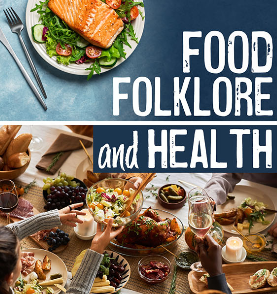
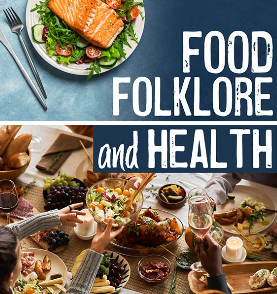
Food, Folklore & Health
Edition: 1
Copyright: 2026
Choose Your Format
Website
$78.00 USD
This book was written with you in mind, curious, thoughtful students seeking to understand food not only as sustenance, but as a major part of culture, story, science, and medicine. Food shapes identity, connects generations, and influences health in ways that extend far beyond nutrients and calories. The hope is that this text helps you see food through a wider, more integrated lens.
Chapter 1: Evolution: How Man and Food Changed Over Time
Chapter 2: What is Food and What Does It Represent
Chapter 3: The Relationship Between Food and Religion: Gods of Food in Different Cultures
Chapter 4: Food Is Medicine
Chapter 5: Diverse Diets: Ancient Diets versus Modern Diets
Chapter 6: Food and Art
Chapter 7: Carbohydrates: Starches and Grains
Chapter 8: Proteins: Meat, Poultry, and their Products
Chapter 9: Lipids: Fats and Oils
Chapter 10: Dairy Products
Chapter 11: Fruits and Vegetables
Chapter 12: Beverages: Alcoholic and Non-Alcoholic Beverages
Chapter 13: Mushrooms as Food
Chapter 14: Processed and Fast Foods (Baked Foods, Food Additives, Canned Foods, etc.)
Chapter 15: What We Hear Versus What We Know: Food Lore and the Scientific Method
Chapter 15B: Folklore from Around the World: An Activity Chapter
Chapter 16: Folklore of Bread
Chapter 17: The Folklore of Beer
Chapter 18: Folklore of Spices
Chapter 19: The Folklore of Sugars and Sweeteners
Chapter 20: World Food Problems
Chapter 21: Health Food Movements (Focus on Evolution of American Diet)
Chapter 22: Food and Health: Obesity, Malnutrition, and Food Disorders
Chapter 23: Food Toxicology
Chapter 24: Food Microbiology and Safety
Chapter 25: U.S. and International Food Law and Regulations

Dr. Bwalya Lungu is a seasoned food scientist and faculty member of the Department of Food Science and Technology at the University of California. Dr. Lungu has an extensive background in microbiology, food safety as well as conventional and molecular diagnostics of microorganisms. Dr. Lungu’s wealth of experience includes a solid combination of academia, research and industry. This research and industry background encompassed exploring current and emerging diagnostic technologies to identify and detect animal and public health related organisms in food systems at both the cellular and molecular levels.
Dr. Lungu is focused on undergraduate training, education and development, with the goal to develop students with the leadership and critical thinking skills needed as researchers and scientists in the food industry. Dr. Lungu uses a teaching approach that combines the creative use of technology with traditional methods of teaching to connect with her diverse student population, to create a learning experience that is both progressive and effective. Dr. Lungu also leverages her background in research and industry to teach students how to integrate theoretical knowledge with practical concepts that can be applied for “real world” solutions in the food industry.
In addition, Dr. Lungu has contributed to the development of this dynamic field by providing presentations, lectures and written articles in the areas of food safety and microbial diagnostics. Her papers have been published in several peer reviewed journal articles. In addition to her university duties, Dr. Lungu also serves on the USDA-NPIP technical committee where she offers her expertise in food safety and molecular diagnostics.
Dr. Lungu currently teaches the introductory food science, folklore and health class (FST 10) that focuses on providing students with a strong foundation for understanding modern day foods, their properties and safety aspects. In this class, ancient and modern food folklore is examined using the latest advances in science, as related to health and well-being. This class focuses on exploration of foods and science as it relates to food safety, organic food, herbalism, food preservation, and nutritional enhancement.
This book was written with you in mind, curious, thoughtful students seeking to understand food not only as sustenance, but as a major part of culture, story, science, and medicine. Food shapes identity, connects generations, and influences health in ways that extend far beyond nutrients and calories. The hope is that this text helps you see food through a wider, more integrated lens.
Chapter 1: Evolution: How Man and Food Changed Over Time
Chapter 2: What is Food and What Does It Represent
Chapter 3: The Relationship Between Food and Religion: Gods of Food in Different Cultures
Chapter 4: Food Is Medicine
Chapter 5: Diverse Diets: Ancient Diets versus Modern Diets
Chapter 6: Food and Art
Chapter 7: Carbohydrates: Starches and Grains
Chapter 8: Proteins: Meat, Poultry, and their Products
Chapter 9: Lipids: Fats and Oils
Chapter 10: Dairy Products
Chapter 11: Fruits and Vegetables
Chapter 12: Beverages: Alcoholic and Non-Alcoholic Beverages
Chapter 13: Mushrooms as Food
Chapter 14: Processed and Fast Foods (Baked Foods, Food Additives, Canned Foods, etc.)
Chapter 15: What We Hear Versus What We Know: Food Lore and the Scientific Method
Chapter 15B: Folklore from Around the World: An Activity Chapter
Chapter 16: Folklore of Bread
Chapter 17: The Folklore of Beer
Chapter 18: Folklore of Spices
Chapter 19: The Folklore of Sugars and Sweeteners
Chapter 20: World Food Problems
Chapter 21: Health Food Movements (Focus on Evolution of American Diet)
Chapter 22: Food and Health: Obesity, Malnutrition, and Food Disorders
Chapter 23: Food Toxicology
Chapter 24: Food Microbiology and Safety
Chapter 25: U.S. and International Food Law and Regulations
Dr. Bwalya Lungu is a seasoned food scientist and faculty member of the Department of Food Science and Technology at the University of California. Dr. Lungu has an extensive background in microbiology, food safety as well as conventional and molecular diagnostics of microorganisms. Dr. Lungu’s wealth of experience includes a solid combination of academia, research and industry. This research and industry background encompassed exploring current and emerging diagnostic technologies to identify and detect animal and public health related organisms in food systems at both the cellular and molecular levels.
Dr. Lungu is focused on undergraduate training, education and development, with the goal to develop students with the leadership and critical thinking skills needed as researchers and scientists in the food industry. Dr. Lungu uses a teaching approach that combines the creative use of technology with traditional methods of teaching to connect with her diverse student population, to create a learning experience that is both progressive and effective. Dr. Lungu also leverages her background in research and industry to teach students how to integrate theoretical knowledge with practical concepts that can be applied for “real world” solutions in the food industry.
In addition, Dr. Lungu has contributed to the development of this dynamic field by providing presentations, lectures and written articles in the areas of food safety and microbial diagnostics. Her papers have been published in several peer reviewed journal articles. In addition to her university duties, Dr. Lungu also serves on the USDA-NPIP technical committee where she offers her expertise in food safety and molecular diagnostics.
Dr. Lungu currently teaches the introductory food science, folklore and health class (FST 10) that focuses on providing students with a strong foundation for understanding modern day foods, their properties and safety aspects. In this class, ancient and modern food folklore is examined using the latest advances in science, as related to health and well-being. This class focuses on exploration of foods and science as it relates to food safety, organic food, herbalism, food preservation, and nutritional enhancement.