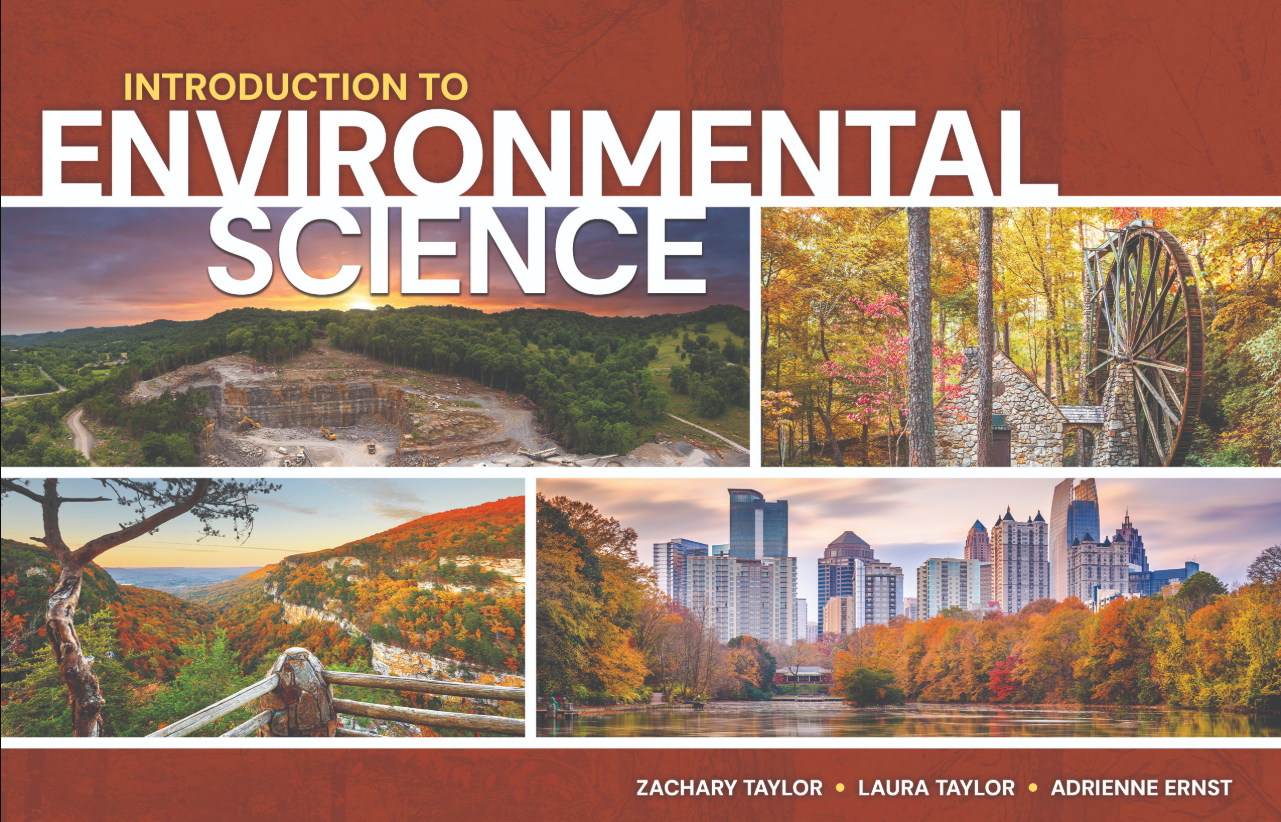
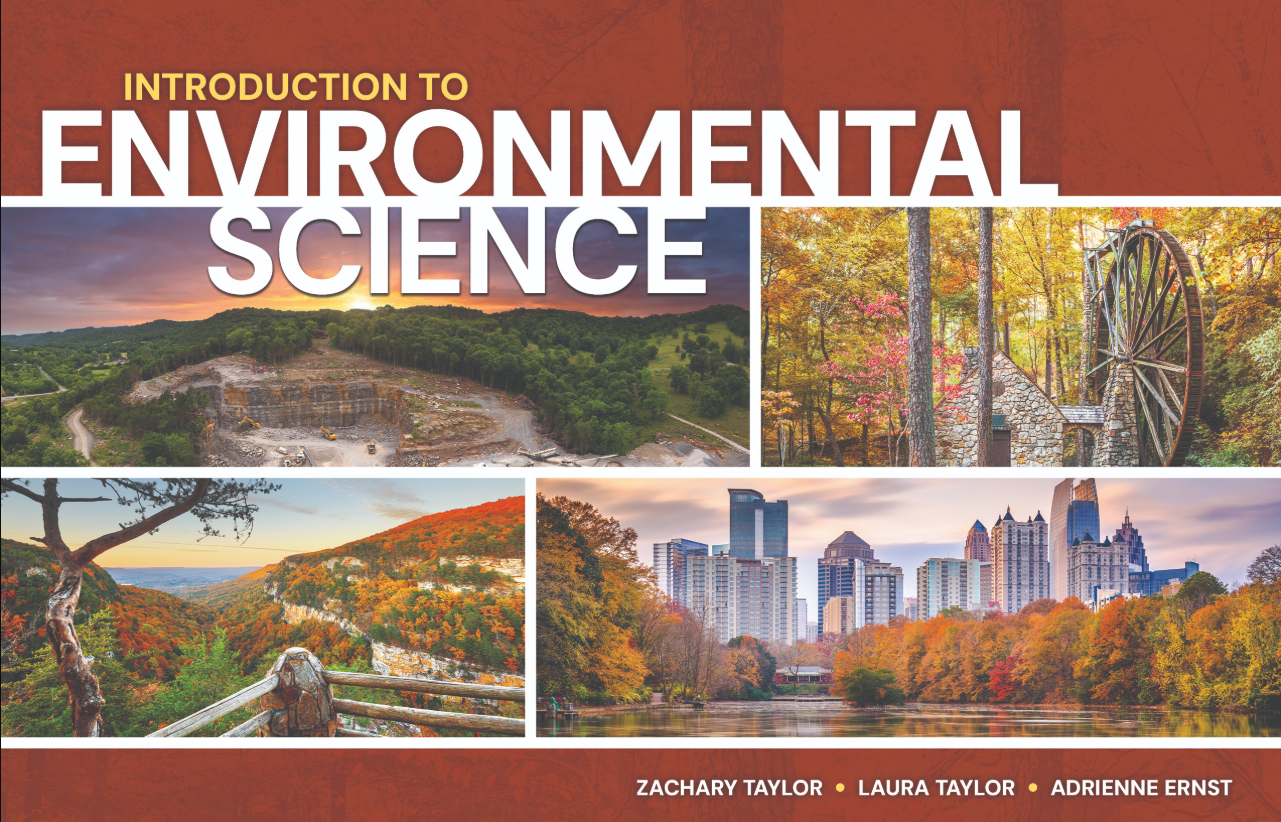
Introduction to Environmental Science
Edition: 1
Copyright: 2026
Choose Your Format
Website
$97.50 USD
Introduction to Environmental Science introduces environmental science through ecosystems, populations, ecosystem services, biodiversity, soil, agriculture, and environmental history. It examines major environmental challenges including unsustainable practices, air pollution, ozone depletion, waste, fossil fuels, climate change, and environmental justice. The book concludes with alternative energy, sustainable cities, and sustainable practices for life in the Anthropocene.
Chapter 1: What Is Environmental Science?
Chapter 2: Ecosystems
Chapter 3: Ecosystem Services
Chapter 4: Populations
Chapter 5: Environmental History
Chapter 6: Unsustainable Practices
Chapter 7: Biodiversity
Chapter 8: Soil
Chapter 9: Agriculture
Chapter 11: Air Pollution
Chapter 12: Stratospheric Ozone Depletion
Chapter 13: Risk
Chapter 14: Waste Management and Hazardous Waste
Chapter 15: Environmental Justice
Chapter 16: Fossil Fuels
Chapter 17: Climate Change
Chapter 18: Alternative Energy
Chapter 19: Sustainable Cities
Chapter 20: Sustainable Practices and Life in the Anthropocene
Laura Taylor is the Director of Sponsored Programs at Berry College. She holds an M.S. in Hydrogeology from the University of Tennessee, Knoxville, and a B.S. in Environmental Science from the University of Denver. Her academic background combines environmental science and hydrogeology with her current work supporting sponsored programs at Berry College.
Adrienne Ernst is an Assistant Professor of Environmental Science and Studies at Berry College. Her research focuses on community ecology, invasive species, ecosystem restoration, and land management. She studies how plant community composition and traits influence restoration outcomes and ecosystem services, using field and greenhouse research to understand ecological strategies and improve the establishment of challenging plant species.