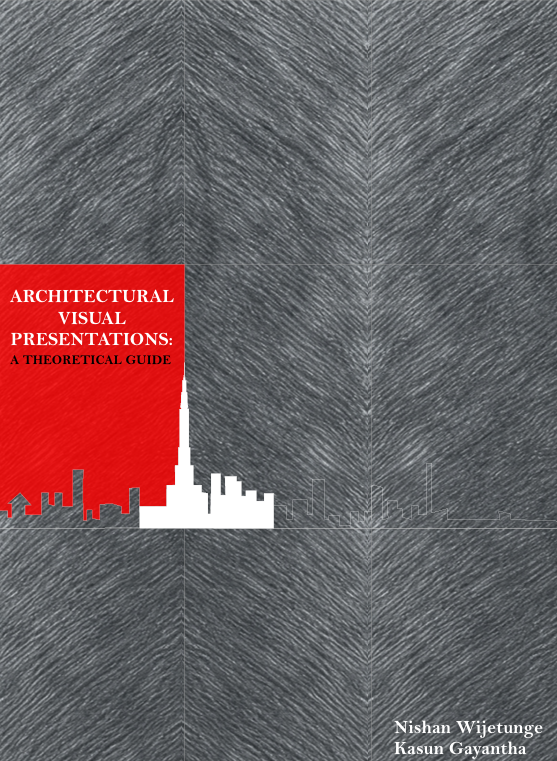
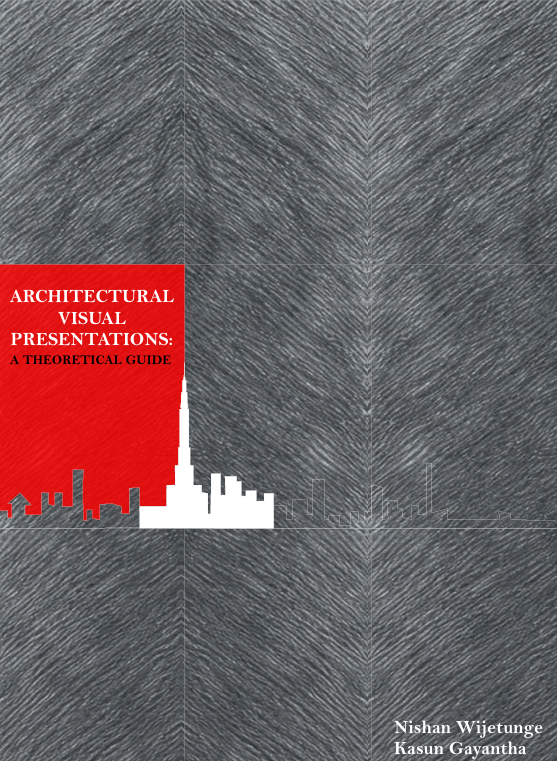
Architectural Visual Presentations: A Theoretical Guide
Edition: 1
Copyright: 2026
Pages: 52
Choose Your Format
Ebook
$80.00 USD
Architectural Visual Presentations: A Theoretical Guide explores the fundamental principles and techniques used to communicate architectural ideas through effective visual presentation. It examines how elements of art and graphical composition—such as symmetry, juxtaposition, abstraction, visual weight, repetition, the rule of thirds, focal points, figure-ground relationships, minimalism, proximity, and continuity—can be applied to create clear, balanced, and visually engaging architectural graphics. By connecting theoretical concepts with principles of visual organization, the guide provides a framework for understanding how architectural drawings, diagrams, images, and layouts can communicate ideas effectively while directing the viewer’s attention and establishing hierarchy, coherence, and visual impact.
Preface
Introduction
Visual presentations in architecture
Visual elements of art
Techniques of graphical composition
Symmetry
Rule of odds
Juxtaposition
Abstraction
Visual weight
Repetition
Rule of thirds
Focal points
Figure-ground theory
Minimalism
Proximity
Continuity
Summary
Author Profiles