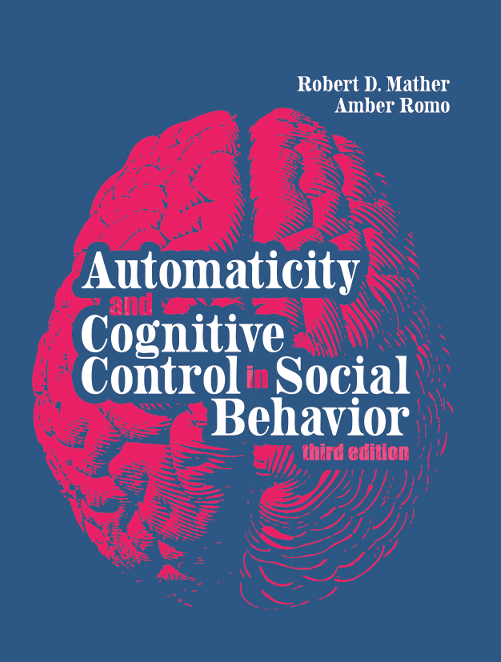
Automaticity and Cognitive Control in Social Behavior

Edition: 3

Copyright: 2025

Pages: 116

Choose Your Format

Ebook

$85.00 USD

ISBN 9798385179688

Details Electronic Delivery EBOOK 180 days

About the Authors     
Preface   

Section I. Basic Social Psychology   
Chapter 1  Introduction to Social Psychology  
What Is Social Psychology?    
History of Social Psychology  
The Plot Takes a Clinical Twist    
Individual Differences in Social Psychology  
Organization of the Field 
Employment    
Websites   
Conclusions  

Chapter 2  Social Psychological Methods: Social “Spychology” 
Theory Construction    
Observational Methods      
Correlational Methods 
Experimental Methods    
Deception and Ethics 
Social Neuroscience Methods   
Conclusions  

Chapter 3  Social Psychological Elements 
Social Automaticity     
The Self     
Attributions  
Social Cognition 
Attitudes and Persuasion 
Implicit Attitudes 
Conclusions 

Section II. Automaticity and Cognitive Control 
Chapter 4 Automaticity of Social Behavior 
Automaticity Is an Undeniable Phenomenon 
The Importance of Automaticity 
Historical Foundations of Automaticity Research 
Automatic Evaluations and Priming 
Automatic Stereotype Activation 
Automatic Attitude Activation  
Automatic Attributions 
Automatic Perceptions 
Automatic Goal Activation 
Automatic Power-Sex Link 
Automatic Self-Esteem 
Automatic Decision-Making 
Social Neuroscience Confirmation 
The Automatic-Controlled Process Dichotomy 

Chapter 5 Social Cognition and Cognitive Control 
Ironic Process Theory 
Rebound of Stereotypes and Attitudes 
Stereotype Rebound and Self-Regulation 
Social Inferences 
Effects of Expectancies and Contextual Factors on Social Influence 
Rebound and Social Inferences 
Optimism and Pessimism 
Depression and Ironic Processes  

Chapter 6 Cognitive Dissonance as an Automatic Process 
Classic Cognitive Dissonance Theory 
Some Dissonance Applications 
Dissonance and Arousal 
Preference for Consistency 
Cognitive Dissonance as an Automatic Process 
Self-Standards Model of Cognitive Dissonance 
Conclusions 

Section III. Consilience 
Chapter 7 The Integrated Social Paradigm 
Why Integrate? 
The Model 
Training Researchers 
Let’s Lump and Split 

Chapter 8 Conclusions 
Where Does Social Automaticity Go Next? 
 

Suggested Readings
Glossary 
References

Robert Mather
Amber Romo

About the Authors     
Preface   

Section I. Basic Social Psychology   
Chapter 1  Introduction to Social Psychology  
What Is Social Psychology?    
History of Social Psychology  
The Plot Takes a Clinical Twist    
Individual Differences in Social Psychology  
Organization of the Field 
Employment    
Websites   
Conclusions  

Chapter 2  Social Psychological Methods: Social “Spychology” 
Theory Construction    
Observational Methods      
Correlational Methods 
Experimental Methods    
Deception and Ethics 
Social Neuroscience Methods   
Conclusions  

Chapter 3  Social Psychological Elements 
Social Automaticity     
The Self     
Attributions  
Social Cognition 
Attitudes and Persuasion 
Implicit Attitudes 
Conclusions 

Section II. Automaticity and Cognitive Control 
Chapter 4 Automaticity of Social Behavior 
Automaticity Is an Undeniable Phenomenon 
The Importance of Automaticity 
Historical Foundations of Automaticity Research 
Automatic Evaluations and Priming 
Automatic Stereotype Activation 
Automatic Attitude Activation  
Automatic Attributions 
Automatic Perceptions 
Automatic Goal Activation 
Automatic Power-Sex Link 
Automatic Self-Esteem 
Automatic Decision-Making 
Social Neuroscience Confirmation 
The Automatic-Controlled Process Dichotomy 

Chapter 5 Social Cognition and Cognitive Control 
Ironic Process Theory 
Rebound of Stereotypes and Attitudes 
Stereotype Rebound and Self-Regulation 
Social Inferences 
Effects of Expectancies and Contextual Factors on Social Influence 
Rebound and Social Inferences 
Optimism and Pessimism 
Depression and Ironic Processes  

Chapter 6 Cognitive Dissonance as an Automatic Process 
Classic Cognitive Dissonance Theory 
Some Dissonance Applications 
Dissonance and Arousal 
Preference for Consistency 
Cognitive Dissonance as an Automatic Process 
Self-Standards Model of Cognitive Dissonance 
Conclusions 

Section III. Consilience 
Chapter 7 The Integrated Social Paradigm 
Why Integrate? 
The Model 
Training Researchers 
Let’s Lump and Split 

Chapter 8 Conclusions 
Where Does Social Automaticity Go Next? 
 

Suggested Readings
Glossary 
References

Robert Mather
Amber Romo