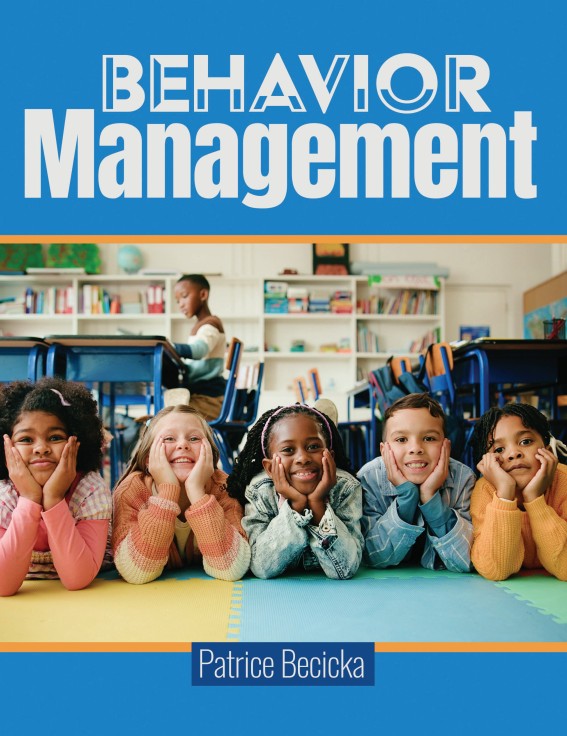
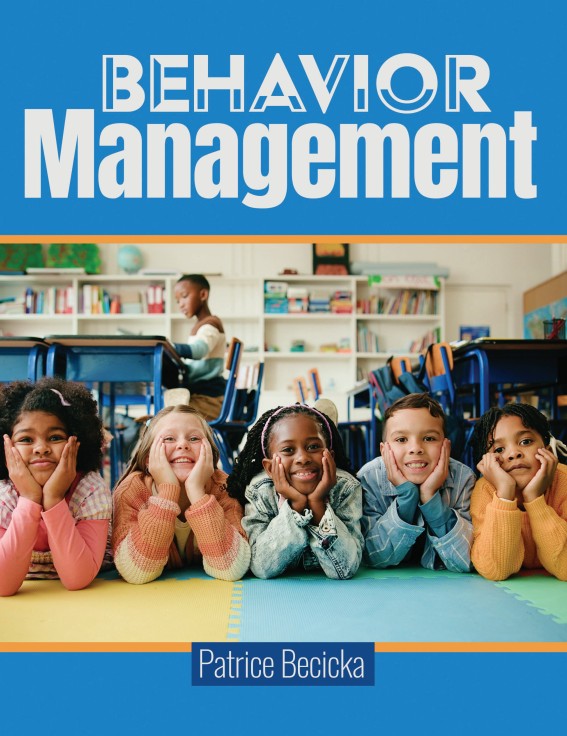
Behavior Management
Edition: 1
Copyright: 2024
Pages: 102
Choose Your Format
Choose Your Platform | Help Me Choose


Ebook
$65.00 USD
Behavior Management explores effective approaches for creating positive, supportive, and productive learning environments. The material distinguishes classroom management from behavior management while examining motivation, classroom structures, teaching styles, and strategies that promote student engagement and belonging.
The text also focuses on understanding student behavior through the lens of trauma, adverse experiences, and social-emotional development. It introduces trauma-informed teaching, restorative practices, executive functioning skills, and social-emotional learning strategies to help educators respond to student needs and build stronger classroom communities.
Chapter 1 Classroom Management vs Behavior Management
Key Terms
Introduction
Your First Classroom
Classroom Management
Four Classroom Management Styles
Behavior Management
Intrinsic and Extrinsic Motivation
Concluding Thoughts
Summary
Chapter 1 Application Writing
Chapter 2 Elements of a Positive Classroom Environment
Key Terms
Introduction
Creating a Positive Classroom—Everyone Belongs
Arranging Your Space
A Community of Learners
Engaging Your Students in Learning—Your Teaching Style
Concluding Thoughts
Summary
Chapter 2 Application Writing
Chapter 3 Maladaptive Behaviors
Key Terms
Introduction
Maladaptive Behaviors in Kids
Adverse Childhood Experiences and Toxic Stress
Trauma Exhibited in the Classroom
Causes of Maladaptive Behavior
Concluding Thoughts
Summary
Chapter 3 Application Writing
Behavior Scenario
Chapter 4 Trauma Informed Teaching
Key Term
Introduction
Teachers Need Care Too!
Concluding Thoughts
Summary
Chapter 4 Application Writing
Assignment Scenario
Chapter 5 Behavior Management Strategies
Key Terms
Introduction
Social Emotional Learning
The CASEL Framework
Executive Functioning Skills
Restorative Practice
Concluding Thoughts
Summary
Chapter 5 Application Writing
Behavior Scenario
Patrice Becicka is a professor in the Education department at Kirkwood Community College.