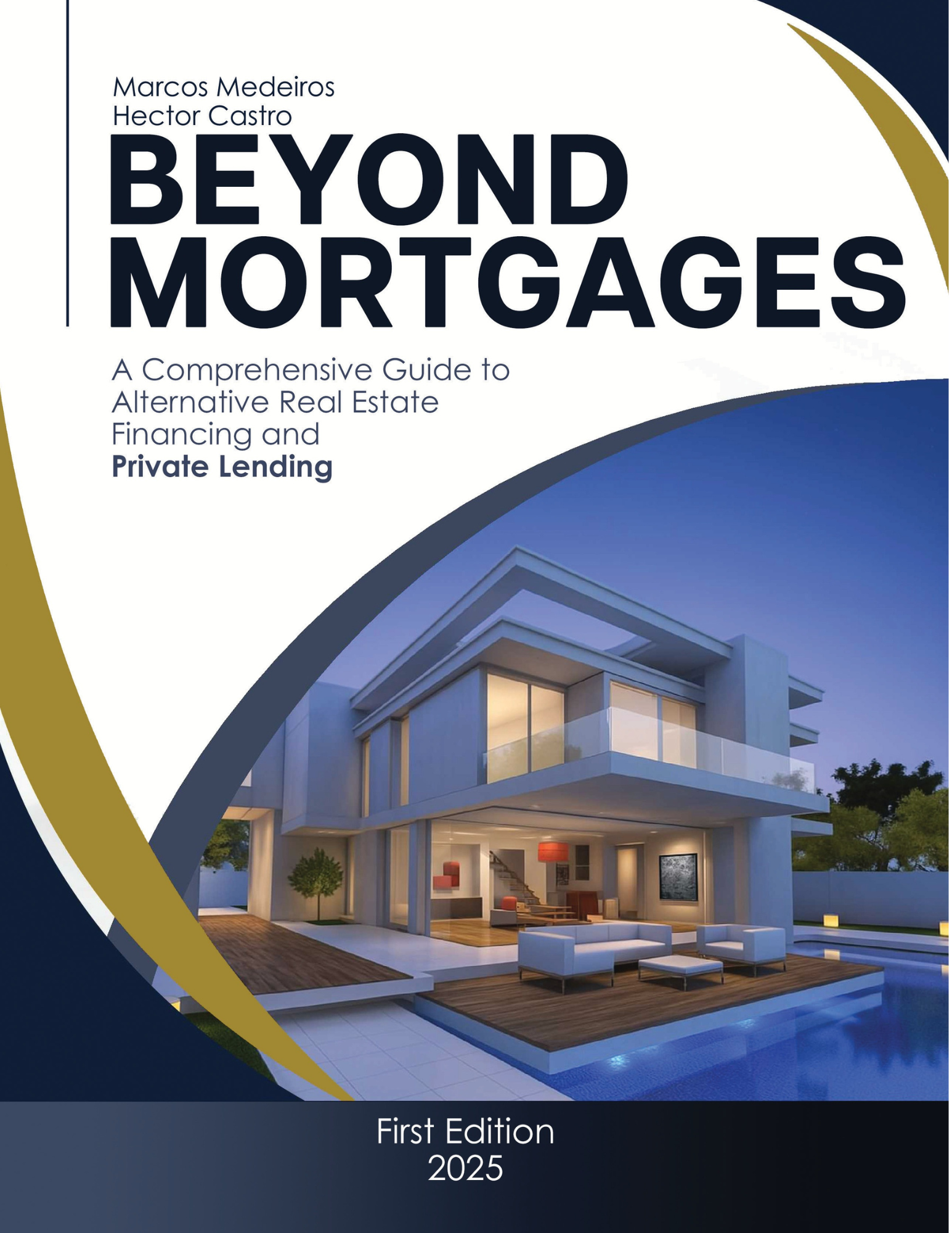
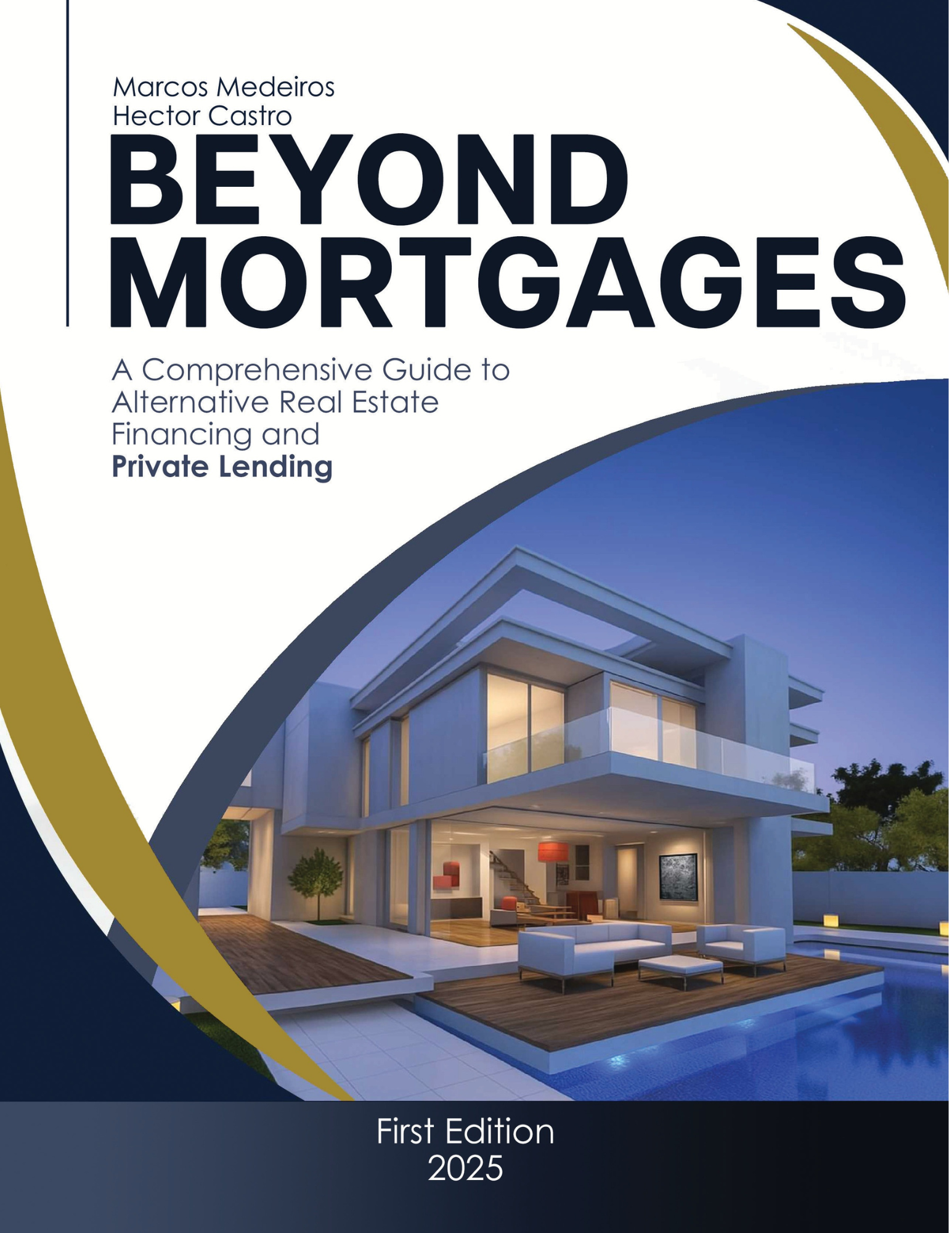
Beyond Mortgages: A Comprehensive Guide to Alternative Real Estate Financing and Private Lending
Edition: 1
Copyright: 2025
Pages: 224
Edition: 1
Copyright: 2025
Pages: 224
Choose Your Format
Choose Your Platform | Help Me Choose


$88.95 USD
Ebook
$69.95 USD
Private lending has moved from the fringes of finance into the spotlight as one of the fastest-growing and most innovative segments of real estate capital markets. “Beyond Mortgages: A Comprehensive Guide to Alternative Real Estate Financing and Private Lending” is the definitive guide to understanding this dynamic industry—demystifying a field often mislabeled as “hard money” and revealing the sophisticated strategies,
structures, and opportunities that define private credit today.
This book is more than a primer—it is a roadmap. With a balance of academic rigor and practical application, Beyond Mortgages equips readers with the tools to navigate realworld private lending decisions. From underwriting and loan origination to servicing, regulation, and default management, the authors provide a clear framework for both new entrants and seasoned professionals. Each chapter blends historical context, practical insights, and forward-looking analysis, making the text both an educational resource and a professional manual.
At its core, Beyond Mortgages prepares readers for the future of real estate finance. Institutional capital, fintech innovations, blockchain technologies, and AI-driven underwriting are reshaping private credit, and this book shows how to position yourself at the forefront of these changes. Whether you are a real estate investor seeking capital, a broker looking to expand your toolkit, a loan officer or mortgage professional exploring alternative financing, or a student of finance eager to understand the shifting capital landscape, this book offers the clarity and expertise you need.
Accessible yet comprehensive, practical yet forward-looking, Beyond Mortgages bridges the gap between theory and practice, offering both the “how” and the “what’s next” of private lending. It is the essential guide for anyone who wants to succeed in—and shape—the future of real estate finance.
Chapter 1: The Evolution of Real Estate Financing in the United States: From Traditional Mortgages to Private Lending
Covers the history of U.S. mortgage finance, systemic limitations of traditional lending, and the emergence of private lending as a distinct alternative, including fintech, blockchain, and peer-to-peer innovations.
Chapter 2: Introduction to Private Lending: A Flexible Alternative
Defines private lending, traces its evolution from “hard money” to institutionalized private credit, contrasts it with traditional financing, and explores costs, risks, and trends.
Chapter 3: Private Lending: Process, Products, and Key Metrics
Explains the private lending transaction lifecycle, main products (bridge, fix-and-flip, construction), underwriting pillars, and key financial metrics (LTV, LTC, DSCR, etc.).
Chapter 4: Core Strategies in Ground-Up Construction, Fix and Flip, and Bridge Loans
Examines major private lending strategies, loan structures, risk mitigation, borrower requirements, draw schedules, and exit planning, supported by case studies.
Chapter 5: Private Loan Origination: From Application to Closing
Details the origination process—application, processing, underwriting, closing, and postclosing—highlighting documentation, compliance, borrower communication, and real world case examples.
Chapter 6: Advanced Underwriting Techniques in Private Lending
Covers advanced risk assessment, borrower and asset evaluation, stress testing, pricing models, and the integration of technology and AI into underwriting.
Chapter 7: Managing Private Loans: From Servicing to Default
Focuses on servicing functions, borrower communication, delinquency monitoring, default management, and the role of technology and metrics in portfolio performance.
Chapter 8: Regulatory Landscape for Private Lending Alternatives
Analyzes federal and state regulations, exemptions (TILA, RESPA), AML/KYC compliance, usury laws, licensing requirements, and strategies for regulatory adaptation.
Chapter 9: Marketing, Sales, and Market Expansion in Private Lending
Discusses borrower and investor acquisition, consultative sales techniques, client retention strategies, branding, digital marketing, CRM systems, and geographic or product expansion.
Chapter 10: Innovations in Private Lending Financing: Fintech, Blockchain, and Peer-to-Peer Models
Explores fintech platforms, blockchain applications (smart contracts, tokenization), crowdfunding, peer-to-peer models, and digital transformation in private credit.
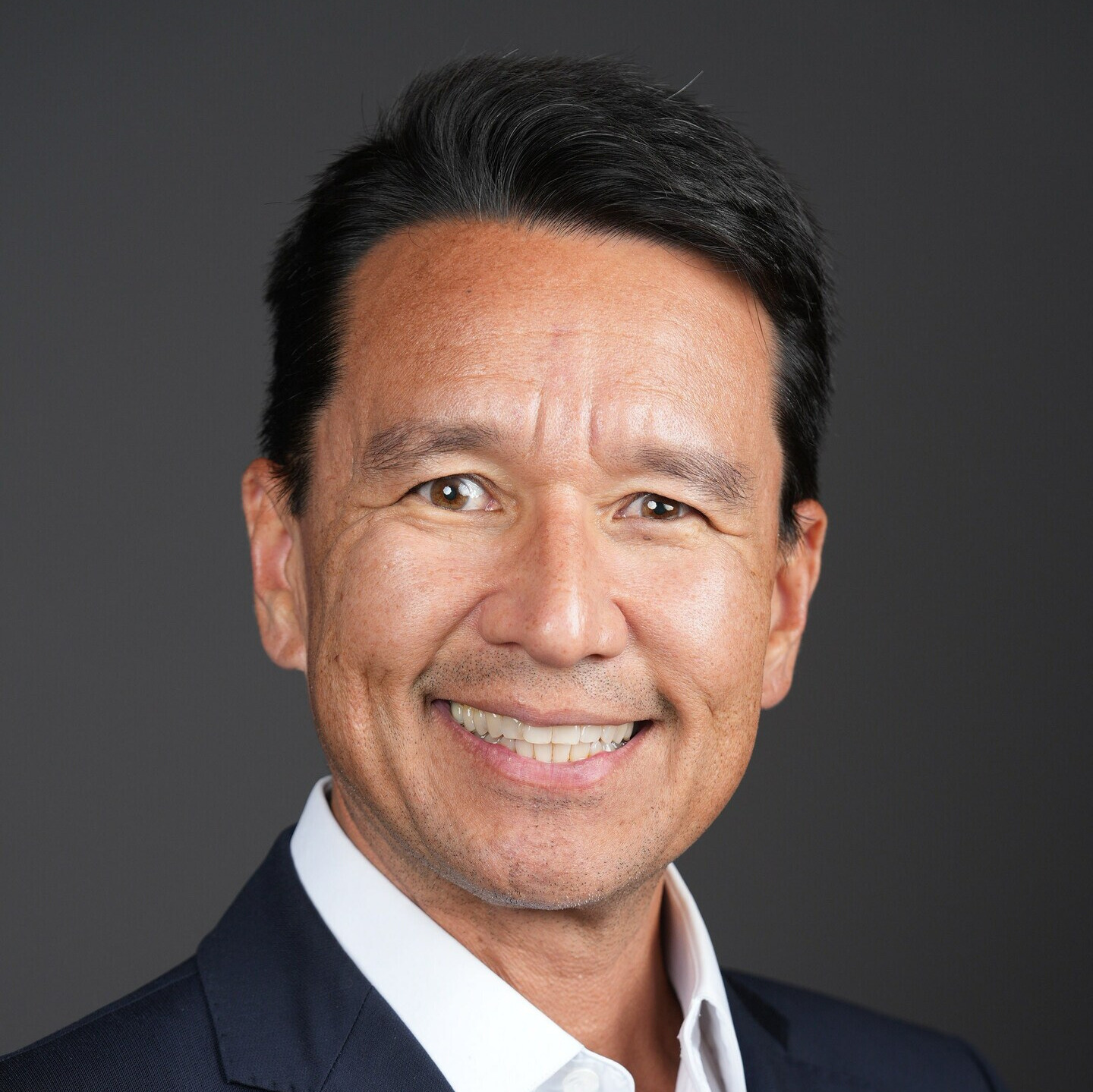
Marcos Medeiros, Ph.D., is an Assistant Professor of Hospitality, Finance, and Real Estate at the University of Virginia’s College at Wise. With over 25 years of experience in wholesale and corporate banking across Brazil, Spain, France, and the United States, Dr. Medeiros brings a wealth of industry knowledge to his academic role. He holds a Ph.D. in Hospitality Management from the Rosen College of Hospitality Management at the University of Central Florida, where he also earned a Master of Science degree. Additionally, he holds an MBA from the IE Business School in Madrid, Spain.
Dr. Medeiros’s research interests lie at the intersection of real estate, hospitality finance, and emerging technologies. His work focuses on the valuation and financial performance of vacation rentals, utilizing econometric methods, such as panel data and time-series analysis, to understand market dynamics. Moreover, he is deeply interested in the transformative potential of blockchain and fintech in real estate, particularly how these technologies can enhance transaction transparency, security, and efficiency. Dr. Medeiros’s multidisciplinary research approach reflects his extensive professional experience and commitment to advancing academic dialogue in finance.

Héctor Castro is a Miami-based private lending entrepreneur and founder of HERA Lending, dedicated to transparency, professionalism, and long-term impact. With over a decade of experience and $1.8 billion in originated loans, he combines deep industry expertise with Harvard Business training to elevate private lending standards and foster sustainable growth.
Private lending has moved from the fringes of finance into the spotlight as one of the fastest-growing and most innovative segments of real estate capital markets. “Beyond Mortgages: A Comprehensive Guide to Alternative Real Estate Financing and Private Lending” is the definitive guide to understanding this dynamic industry—demystifying a field often mislabeled as “hard money” and revealing the sophisticated strategies,
structures, and opportunities that define private credit today.
This book is more than a primer—it is a roadmap. With a balance of academic rigor and practical application, Beyond Mortgages equips readers with the tools to navigate realworld private lending decisions. From underwriting and loan origination to servicing, regulation, and default management, the authors provide a clear framework for both new entrants and seasoned professionals. Each chapter blends historical context, practical insights, and forward-looking analysis, making the text both an educational resource and a professional manual.
At its core, Beyond Mortgages prepares readers for the future of real estate finance. Institutional capital, fintech innovations, blockchain technologies, and AI-driven underwriting are reshaping private credit, and this book shows how to position yourself at the forefront of these changes. Whether you are a real estate investor seeking capital, a broker looking to expand your toolkit, a loan officer or mortgage professional exploring alternative financing, or a student of finance eager to understand the shifting capital landscape, this book offers the clarity and expertise you need.
Accessible yet comprehensive, practical yet forward-looking, Beyond Mortgages bridges the gap between theory and practice, offering both the “how” and the “what’s next” of private lending. It is the essential guide for anyone who wants to succeed in—and shape—the future of real estate finance.
Chapter 1: The Evolution of Real Estate Financing in the United States: From Traditional Mortgages to Private Lending
Covers the history of U.S. mortgage finance, systemic limitations of traditional lending, and the emergence of private lending as a distinct alternative, including fintech, blockchain, and peer-to-peer innovations.
Chapter 2: Introduction to Private Lending: A Flexible Alternative
Defines private lending, traces its evolution from “hard money” to institutionalized private credit, contrasts it with traditional financing, and explores costs, risks, and trends.
Chapter 3: Private Lending: Process, Products, and Key Metrics
Explains the private lending transaction lifecycle, main products (bridge, fix-and-flip, construction), underwriting pillars, and key financial metrics (LTV, LTC, DSCR, etc.).
Chapter 4: Core Strategies in Ground-Up Construction, Fix and Flip, and Bridge Loans
Examines major private lending strategies, loan structures, risk mitigation, borrower requirements, draw schedules, and exit planning, supported by case studies.
Chapter 5: Private Loan Origination: From Application to Closing
Details the origination process—application, processing, underwriting, closing, and postclosing—highlighting documentation, compliance, borrower communication, and real world case examples.
Chapter 6: Advanced Underwriting Techniques in Private Lending
Covers advanced risk assessment, borrower and asset evaluation, stress testing, pricing models, and the integration of technology and AI into underwriting.
Chapter 7: Managing Private Loans: From Servicing to Default
Focuses on servicing functions, borrower communication, delinquency monitoring, default management, and the role of technology and metrics in portfolio performance.
Chapter 8: Regulatory Landscape for Private Lending Alternatives
Analyzes federal and state regulations, exemptions (TILA, RESPA), AML/KYC compliance, usury laws, licensing requirements, and strategies for regulatory adaptation.
Chapter 9: Marketing, Sales, and Market Expansion in Private Lending
Discusses borrower and investor acquisition, consultative sales techniques, client retention strategies, branding, digital marketing, CRM systems, and geographic or product expansion.
Chapter 10: Innovations in Private Lending Financing: Fintech, Blockchain, and Peer-to-Peer Models
Explores fintech platforms, blockchain applications (smart contracts, tokenization), crowdfunding, peer-to-peer models, and digital transformation in private credit.
Marcos Medeiros, Ph.D., is an Assistant Professor of Hospitality, Finance, and Real Estate at the University of Virginia’s College at Wise. With over 25 years of experience in wholesale and corporate banking across Brazil, Spain, France, and the United States, Dr. Medeiros brings a wealth of industry knowledge to his academic role. He holds a Ph.D. in Hospitality Management from the Rosen College of Hospitality Management at the University of Central Florida, where he also earned a Master of Science degree. Additionally, he holds an MBA from the IE Business School in Madrid, Spain.
Dr. Medeiros’s research interests lie at the intersection of real estate, hospitality finance, and emerging technologies. His work focuses on the valuation and financial performance of vacation rentals, utilizing econometric methods, such as panel data and time-series analysis, to understand market dynamics. Moreover, he is deeply interested in the transformative potential of blockchain and fintech in real estate, particularly how these technologies can enhance transaction transparency, security, and efficiency. Dr. Medeiros’s multidisciplinary research approach reflects his extensive professional experience and commitment to advancing academic dialogue in finance.
Héctor Castro is a Miami-based private lending entrepreneur and founder of HERA Lending, dedicated to transparency, professionalism, and long-term impact. With over a decade of experience and $1.8 billion in originated loans, he combines deep industry expertise with Harvard Business training to elevate private lending standards and foster sustainable growth.