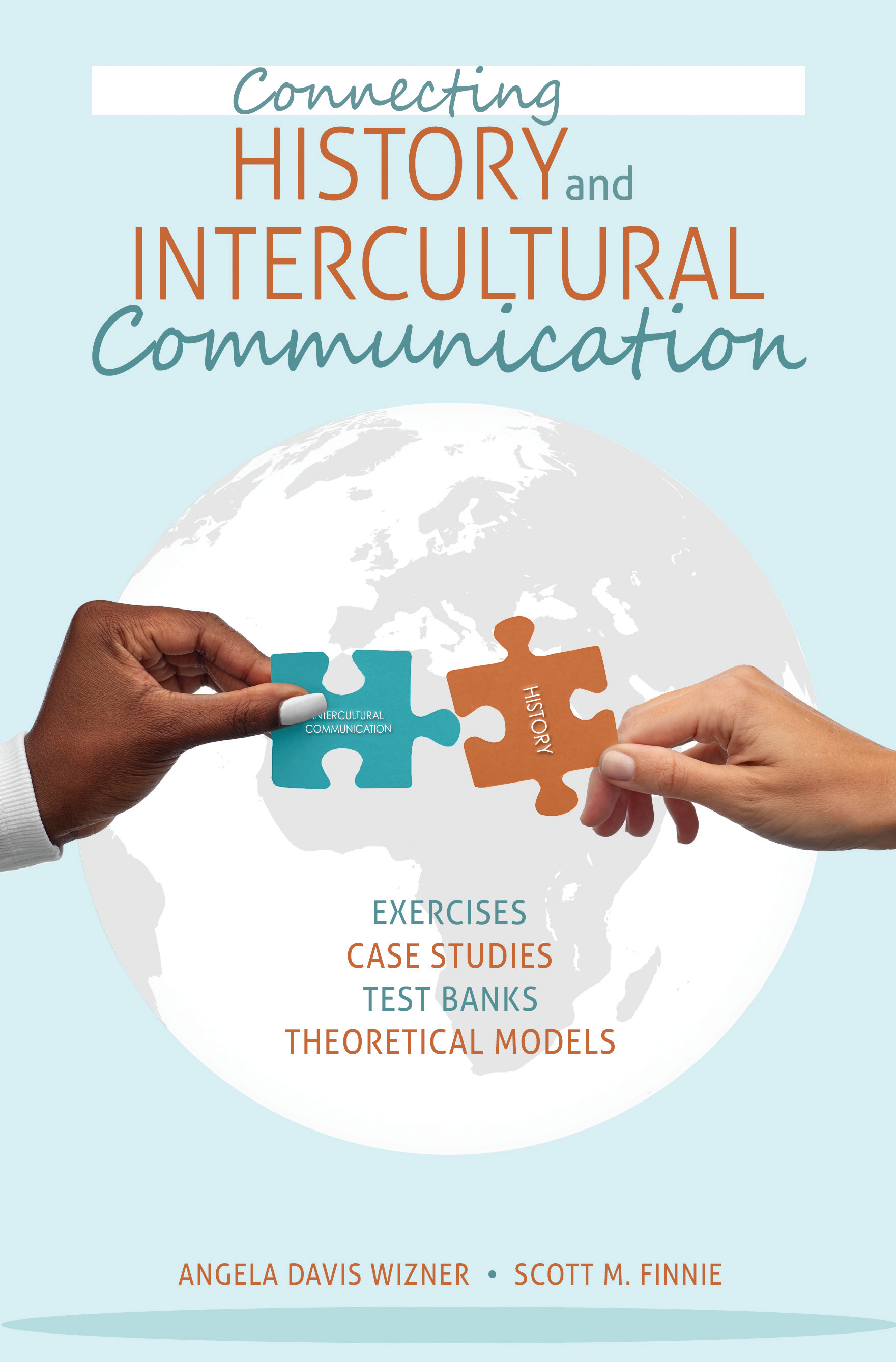
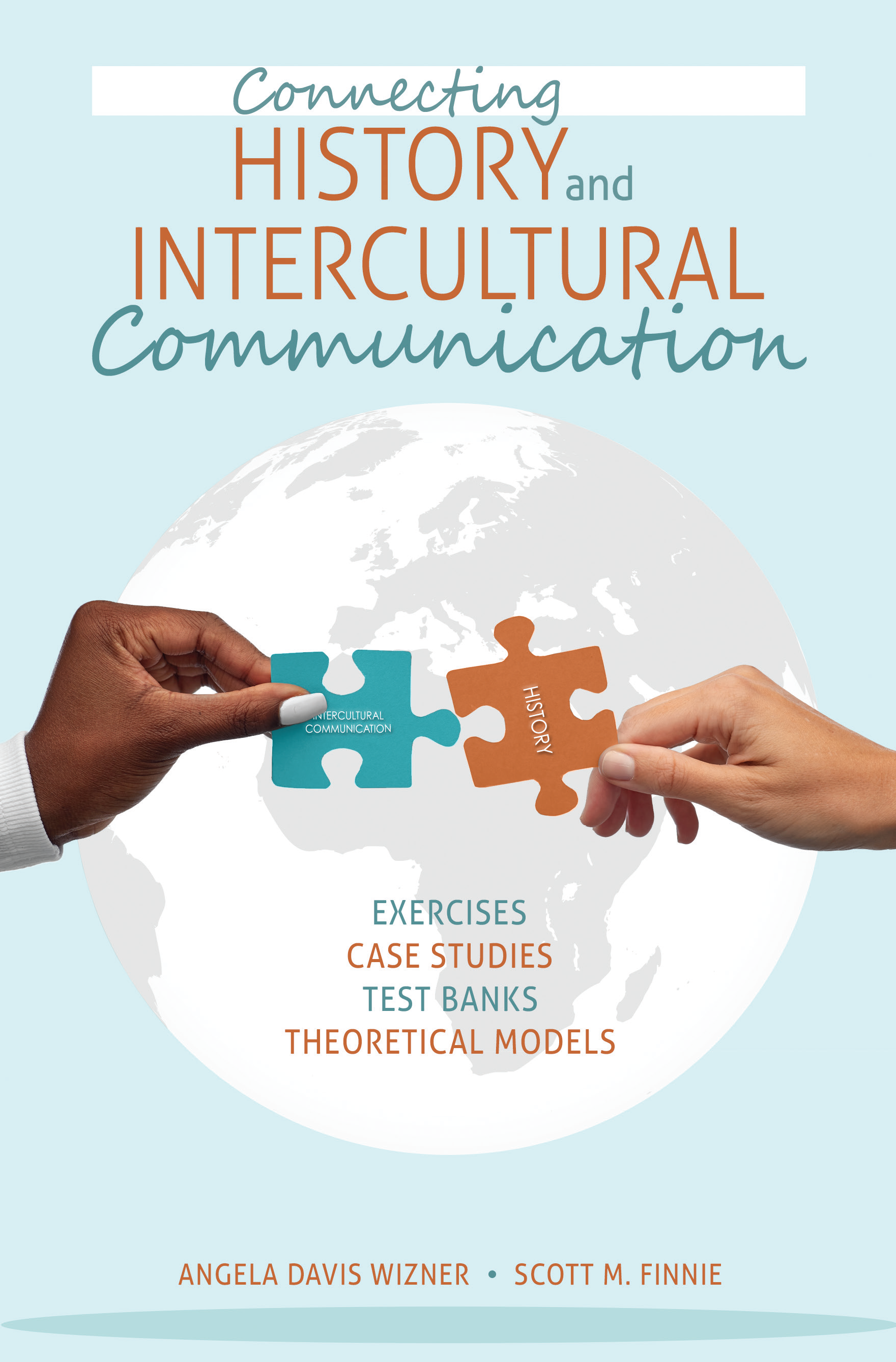
Connecting History and Intercultural Communication
Edition: 1
Copyright: 2023
Pages: 92
Edition: 1
Copyright: 2023
Choose Your Format
Choose Your Platform | Help Me Choose


$84.00 USD
Ebook
$63.00 USD
Connecting History and Intercultural Communication explores the relationship between historical events, cultural perspectives, and communication practices in an increasingly interconnected world. The text introduces students to the foundations of intercultural communication, emphasizing how history, identity, worldview, and social context shape interactions across cultures. Through a relational communication framework, readers develop an understanding of the skills needed to communicate effectively in both domestic and international settings while recognizing the influence of culture on everyday interactions.
The book also examines practical strategies for navigating cultural differences, addressing discrimination, and developing mindfulness as a communicator. By combining historical context with contemporary communication theory, it encourages readers to build cultural awareness, empathy, and adaptability. The result is a practical guide that prepares students to engage thoughtfully and respectfully with diverse individuals and communities in academic, professional, and global environments.
Preface
About the Authors
Acknowledgments
UNIT 1 Introduction to the Global Community
UNIT 2 The Relational Communication Model: The Essentials
UNIT 3 World View and Communication
UNIT 4 Strategies at Home and Abroad: Domestic and International
UNIT 5 Strategies to Navigate Discrimination
UNIT 6 On Becoming a Mindful Communicator
Glossary
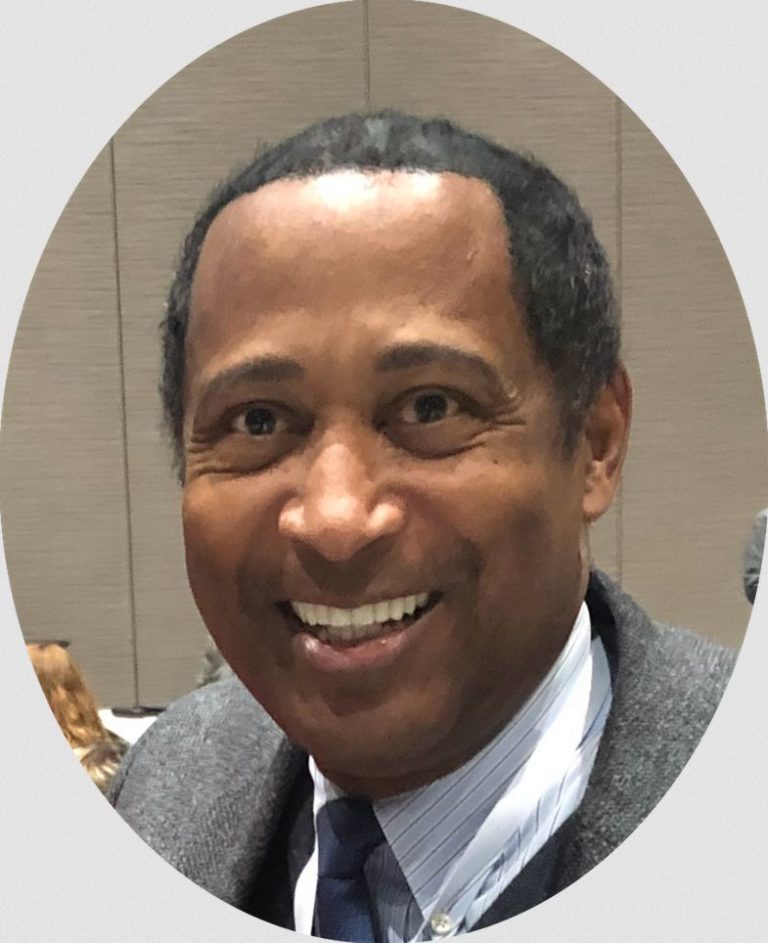
Scott Finnie, PhD, was raised in California’s Bay Area and moved to Spokane in 1975 on a basketball scholarship at Gonzaga University. At Gonzaga, he earned a bachelor’s degree in English with a minor in criminal justice. In 1992, he earned a master’s degree in American history from Eastern Washington University. He later returned to Gonzaga for doctoral studies, earning a doctorate in leadership studies in 2000. His dissertation was titled, “The Impact of the Removal of Affirmative Action Upon the Freshmen Class at the University of Washington – Implications of a Ten-Year Quantitative Study.”
Finnie has been a faculty member of EWU’s Africana Education Program (AEP) and Department of History since 1992. He currently serves as the department’s senior faculty member, its director of Africana Studies, and the executive director of its race and cultural studies program.
The recipient of more than 20 awards for excellence in teaching, leadership, civil rights and mentoring, Finnie has been invited to make over 50 presentations in the past fifteen years at cities across the globe, among them Addis Ababa, Cairo, Accra, London, Oxford, Leipzig, Frankfurt, Mexico City, Glasgow, Asuncion (Paraguay), Bangalore (India), Manilla, Taipei, Brisbane, Sao Paulo, Atlanta, Baton Rouge, Memphis, Anaheim, San Francisco, San Diego, Chicago, Honolulu, Seattle, Portland, Houston, Dallas, and Washington, D.C.). He is also a prominent speaker in the Inland Northwest, addressing such themes as civil rights, affirmative action, servant leadership, diversity and cross-cultural communication, the American criminal justice system and faculty hiring in higher education.
Finnie’s research has been published in numerous academic journals, including The National Social Science Journal, The Inland Northwest Health Services Training Manual, Investigating Diversity: Race, Ethnicity and Beyond, The Oxford Round Table Journal, The Journal of Intercultural Disciplines, Ethnic Studies Review, The Council on Undergraduate Research Quarterly and The International Journal of Servant Leadership.
Finnie is also the owner of a diversity consultant business, Engaging Team Concepts, that has served employers and institutions throughout the Inland Northwest for the past 17 years. As part of his consultancy, he has conducted customized trainings, workshops, symposiums, retreats, practicums and guest presentations in areas involving cultural competency, intercultural communication, diversity hiring, teamwork dynamics, servant leadership, conflict resolution, civil rights history, affirmative action and active listening. Clients have included the Spokane, Cheney and EWU police departments; Spokane County Juvenile Courts; Spokane city hall; Inland Northwest Health Services; Daystar Youth Rehabilitation; Excelsior Youth Center; Spokane Community College; and Eastern Washington, Gonzaga and Whitworth Universities.
Angela Davis Wizner is a communication studies educator and author with more than three decades of experience in higher education, training, and community engagement. She is an educator in the Department of Communication Studies at Spokane Community College in Spokane, Washington, where she has taught for over 30 years.
Wizner holds a Master of Arts in Communication Studies from California State University, Long Beach, and a teaching certification for K–12 education. She has also completed doctoral-level studies in International and Intercultural Communication at the University of Oregon. Her academic background and professional experience have established her expertise in intercultural communication, social justice, cultural studies, and inclusive communication practices.
Connecting History and Intercultural Communication explores the relationship between historical events, cultural perspectives, and communication practices in an increasingly interconnected world. The text introduces students to the foundations of intercultural communication, emphasizing how history, identity, worldview, and social context shape interactions across cultures. Through a relational communication framework, readers develop an understanding of the skills needed to communicate effectively in both domestic and international settings while recognizing the influence of culture on everyday interactions.
The book also examines practical strategies for navigating cultural differences, addressing discrimination, and developing mindfulness as a communicator. By combining historical context with contemporary communication theory, it encourages readers to build cultural awareness, empathy, and adaptability. The result is a practical guide that prepares students to engage thoughtfully and respectfully with diverse individuals and communities in academic, professional, and global environments.
Preface
About the Authors
Acknowledgments
UNIT 1 Introduction to the Global Community
UNIT 2 The Relational Communication Model: The Essentials
UNIT 3 World View and Communication
UNIT 4 Strategies at Home and Abroad: Domestic and International
UNIT 5 Strategies to Navigate Discrimination
UNIT 6 On Becoming a Mindful Communicator
Glossary
Scott Finnie, PhD, was raised in California’s Bay Area and moved to Spokane in 1975 on a basketball scholarship at Gonzaga University. At Gonzaga, he earned a bachelor’s degree in English with a minor in criminal justice. In 1992, he earned a master’s degree in American history from Eastern Washington University. He later returned to Gonzaga for doctoral studies, earning a doctorate in leadership studies in 2000. His dissertation was titled, “The Impact of the Removal of Affirmative Action Upon the Freshmen Class at the University of Washington – Implications of a Ten-Year Quantitative Study.”
Finnie has been a faculty member of EWU’s Africana Education Program (AEP) and Department of History since 1992. He currently serves as the department’s senior faculty member, its director of Africana Studies, and the executive director of its race and cultural studies program.
The recipient of more than 20 awards for excellence in teaching, leadership, civil rights and mentoring, Finnie has been invited to make over 50 presentations in the past fifteen years at cities across the globe, among them Addis Ababa, Cairo, Accra, London, Oxford, Leipzig, Frankfurt, Mexico City, Glasgow, Asuncion (Paraguay), Bangalore (India), Manilla, Taipei, Brisbane, Sao Paulo, Atlanta, Baton Rouge, Memphis, Anaheim, San Francisco, San Diego, Chicago, Honolulu, Seattle, Portland, Houston, Dallas, and Washington, D.C.). He is also a prominent speaker in the Inland Northwest, addressing such themes as civil rights, affirmative action, servant leadership, diversity and cross-cultural communication, the American criminal justice system and faculty hiring in higher education.
Finnie’s research has been published in numerous academic journals, including The National Social Science Journal, The Inland Northwest Health Services Training Manual, Investigating Diversity: Race, Ethnicity and Beyond, The Oxford Round Table Journal, The Journal of Intercultural Disciplines, Ethnic Studies Review, The Council on Undergraduate Research Quarterly and The International Journal of Servant Leadership.
Finnie is also the owner of a diversity consultant business, Engaging Team Concepts, that has served employers and institutions throughout the Inland Northwest for the past 17 years. As part of his consultancy, he has conducted customized trainings, workshops, symposiums, retreats, practicums and guest presentations in areas involving cultural competency, intercultural communication, diversity hiring, teamwork dynamics, servant leadership, conflict resolution, civil rights history, affirmative action and active listening. Clients have included the Spokane, Cheney and EWU police departments; Spokane County Juvenile Courts; Spokane city hall; Inland Northwest Health Services; Daystar Youth Rehabilitation; Excelsior Youth Center; Spokane Community College; and Eastern Washington, Gonzaga and Whitworth Universities.
Angela Davis Wizner is a communication studies educator and author with more than three decades of experience in higher education, training, and community engagement. She is an educator in the Department of Communication Studies at Spokane Community College in Spokane, Washington, where she has taught for over 30 years.
Wizner holds a Master of Arts in Communication Studies from California State University, Long Beach, and a teaching certification for K–12 education. She has also completed doctoral-level studies in International and Intercultural Communication at the University of Oregon. Her academic background and professional experience have established her expertise in intercultural communication, social justice, cultural studies, and inclusive communication practices.