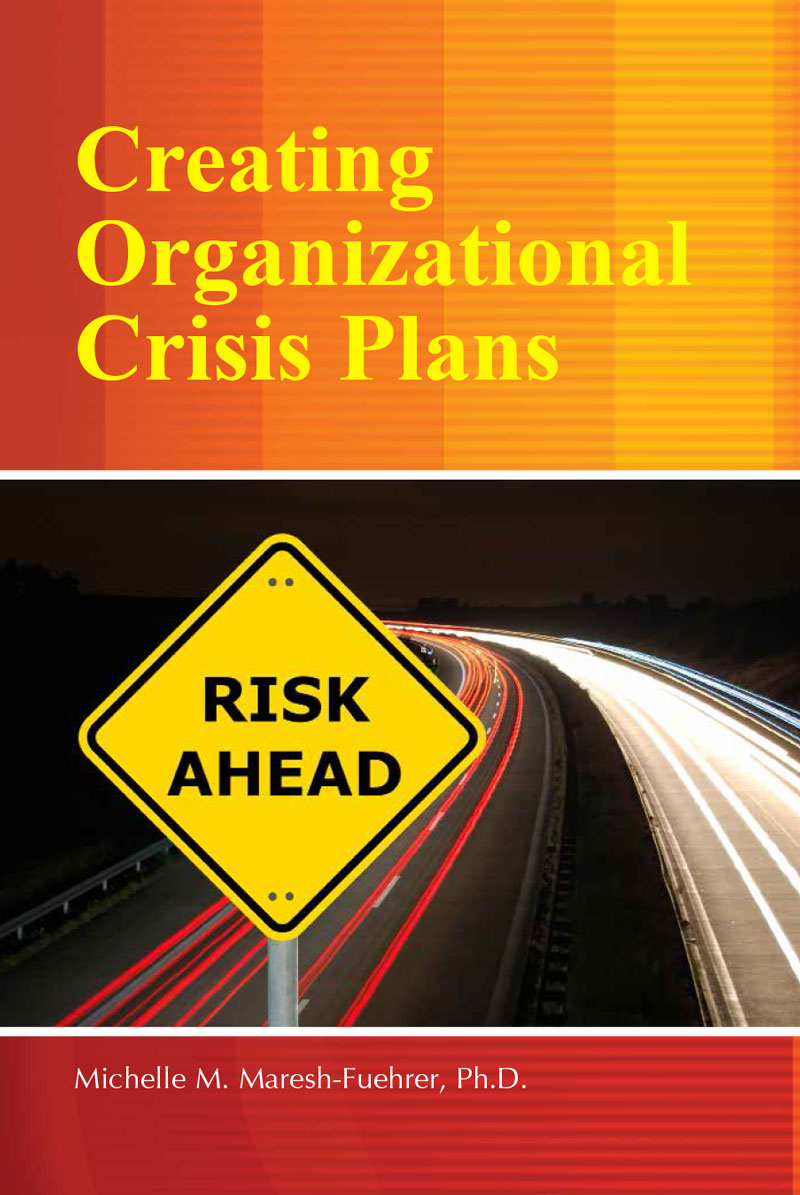
Creating Organizational Crisis Plans
Edition: 1
Copyright: 2013
Edition: 1
Copyright: 2013
Pages: 150
Choose Your Format
$146.34 USD
Ebook
$69.69 USD
This book is designed to reach multiple audiences. Businesspeople, entrepreneurs, consultants, public relations practitioners, and students will uniquely benefit from learning about each of the stages involved in creating a crisis communication plan for an organization. Each chapter is sequenced using a method that will allow the reader to create a crisis communication plan as they learn. The reader will first learn the importance of crisis communication, the life cycle of a crisis, and the different types of crisis typologies that exist. Once this basic foundation is covered, the reader will learn valuable information about each of the steps of the crisis communication plan, including how to create the necessary documents for these steps. Because of its design, this book may be used as a handbook for creating a crisis communication plan and/or as a textbook for a course or workshop in crisis communication.
Preface
Acknowledgments
About the Author
Chapter 1: Introduction to Crisis Communication
Defining “Crisis”:
Case #1: Ineffective Crisis Communication = Weakened Organization
Case #2: Effective Crisis Communication = Strengthened Organization
Importance of Crisis Communication
The Life Cycle of a Crisis
The Crisis Communication Plan
Summary
Chapter 2: Types of Crises
Crisis Typologies
Warning-Based Typology
Intentionality-Based Typology
Characteristic-Based Typology
Summary
Chapter 3: Step One: Organizational History
Creating a Crisis Communication Plan
Name and Responsibility of Organization
Employees and Hierarchy
Stakeholder Expectations
Crisis Philosophy
Goals and Objectives
Summary
Chapter 4: Step Two: Risk Assessment
The Importance of Risk Assessment
Conducting a Risk Assessment:
Risk Identification
Issues Management
Reputation Management
Research
Vulnerability Assessment
Summary
Chapter 5: Step Three: Strategic Communication Action Plan
Strategic Communication Action Plan
-Procedures
Planning:
Establishing a Crisis Team
Training Spokespersons
Selecting a Media Center Location
Crisis Drills
Preparing a Crisis
Communication Log and Contact List
Prevention
Response:
Organizational Personification
Characteristics of Effective Crisis Response
Choosing a Channel
Theoretical Approaches to Crisis Response
Crisis Response Templates
Summary
Chapter 6: Step Four: Evaluation Plan
An Argument for Evaluation
Data Collection
Damage Assessment
Performance Assessment
Post-Crisis Improvement Plan
Summary
Glossary
References
Appendix:
Tabletop Exercise Example
Crisis Communication Log Example
E-mail Script Example
Formal Letter Script Example
Social Media Script Example
Press Release Example
Viral Video Script Example

This book is designed to reach multiple audiences. Businesspeople, entrepreneurs, consultants, public relations practitioners, and students will uniquely benefit from learning about each of the stages involved in creating a crisis communication plan for an organization. Each chapter is sequenced using a method that will allow the reader to create a crisis communication plan as they learn. The reader will first learn the importance of crisis communication, the life cycle of a crisis, and the different types of crisis typologies that exist. Once this basic foundation is covered, the reader will learn valuable information about each of the steps of the crisis communication plan, including how to create the necessary documents for these steps. Because of its design, this book may be used as a handbook for creating a crisis communication plan and/or as a textbook for a course or workshop in crisis communication.
Preface
Acknowledgments
About the Author
Chapter 1: Introduction to Crisis Communication
Defining “Crisis”:
Case #1: Ineffective Crisis Communication = Weakened Organization
Case #2: Effective Crisis Communication = Strengthened Organization
Importance of Crisis Communication
The Life Cycle of a Crisis
The Crisis Communication Plan
Summary
Chapter 2: Types of Crises
Crisis Typologies
Warning-Based Typology
Intentionality-Based Typology
Characteristic-Based Typology
Summary
Chapter 3: Step One: Organizational History
Creating a Crisis Communication Plan
Name and Responsibility of Organization
Employees and Hierarchy
Stakeholder Expectations
Crisis Philosophy
Goals and Objectives
Summary
Chapter 4: Step Two: Risk Assessment
The Importance of Risk Assessment
Conducting a Risk Assessment:
Risk Identification
Issues Management
Reputation Management
Research
Vulnerability Assessment
Summary
Chapter 5: Step Three: Strategic Communication Action Plan
Strategic Communication Action Plan
-Procedures
Planning:
Establishing a Crisis Team
Training Spokespersons
Selecting a Media Center Location
Crisis Drills
Preparing a Crisis
Communication Log and Contact List
Prevention
Response:
Organizational Personification
Characteristics of Effective Crisis Response
Choosing a Channel
Theoretical Approaches to Crisis Response
Crisis Response Templates
Summary
Chapter 6: Step Four: Evaluation Plan
An Argument for Evaluation
Data Collection
Damage Assessment
Performance Assessment
Post-Crisis Improvement Plan
Summary
Glossary
References
Appendix:
Tabletop Exercise Example
Crisis Communication Log Example
E-mail Script Example
Formal Letter Script Example
Social Media Script Example
Press Release Example
Viral Video Script Example