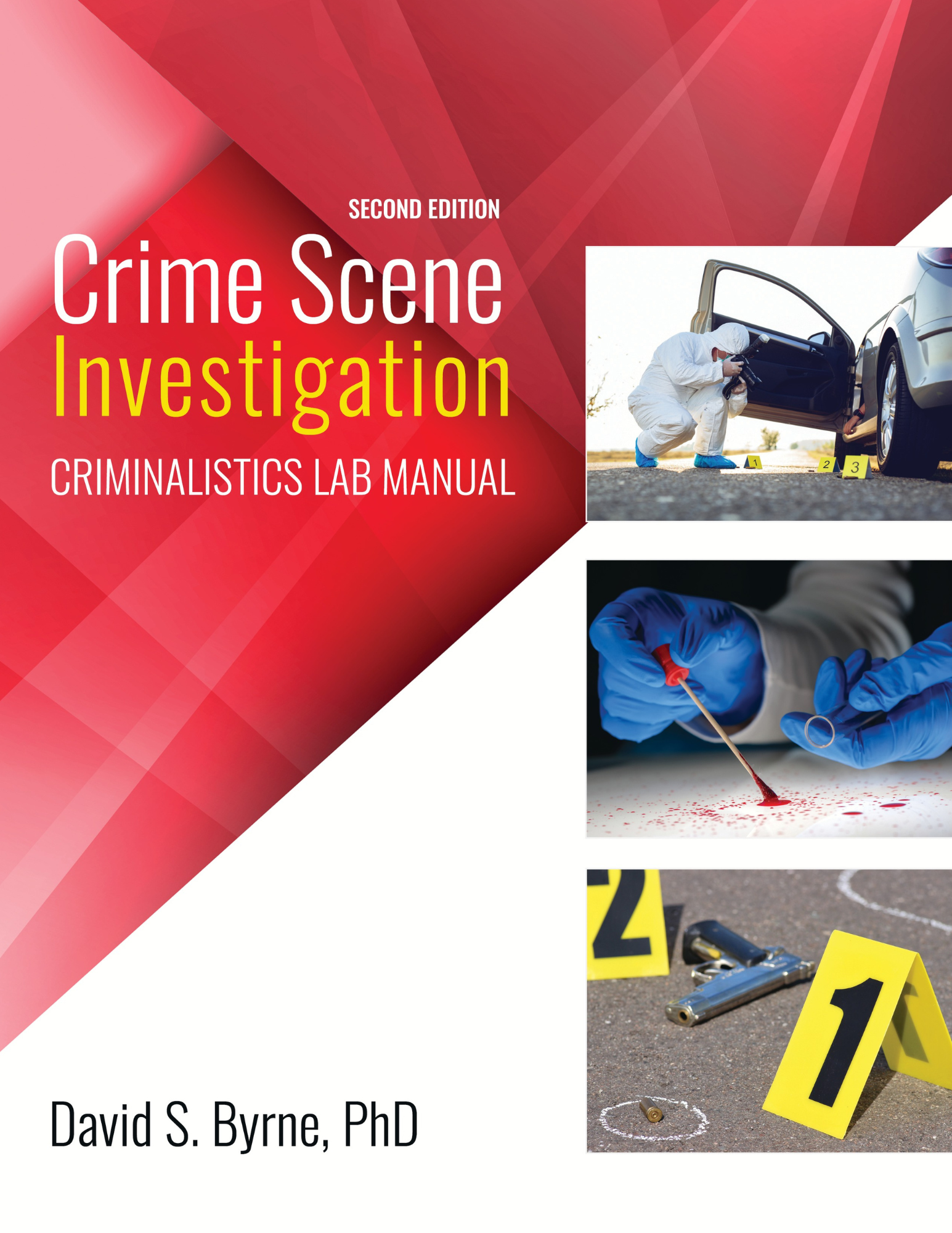
Crime Scene Investigation: Criminalistics Lab Manual
Edition: 2
Copyright: 2025
Pages: 100
Edition: 2
Copyright: 2025
Pages: 144
Choose Your Format
$93.50 USD
Ebook
$60.50 USD
This one-of-a-kind Workbook contains 36 Topics, 46 Activities, 7 Crime Scene Simulations, and various templates including a Chain of Custody, Witness Statement and Lab Request Forms as well as a Fingerprint Card and multiple Checklists. This Lab Manual covers many important skills that a Crime Scene Investigator would need in handling a criminal investigation. Topics include working a crime scene from beginning to end, collection of fingerprints, blood and firearm evidence and methods and equipment needed to prevent contamination. This Lab Manual is a must for any student interested in a career in Forensic Science.

Chapter 1
Topic 1: Initial Crime Scene Procedures
Activity: Crime Scene Procedures
Topic 2: Searching the Crime Scene
Activity: Searching the Crime Scene 1
New Evidence at Crime Scene
Activity: Searching the Crime Scene 2
Topic 3: Crime Scene Personnel Log
Activity: Personnel Log
End of Chapter Questions
Chapter 2
Topic 4: Crime Scene Photography
Activity: Crime Scene Photography 1
Activity: Crime Scene Photography 2
End of Chapter Questions
Chapter 3
Topic 5: Crime Scene Sketches
Activity: Crime Scene Sketch 1
Activity: Crime Scene Sketch 2
Activity: Crime Scene Sketch 3
End of Chapter Questions
Chapter 4
Topic 6: Witness Interviews
Activity: Witness Interviews
Topic 7: Witness Written Statements
Activity: Witness Written Statements
End of Chapter Questions
Chapter 5
Topic 8: Where to Look for Fingerprints
Activity: Where to Look for Prints
Topic 9 Porous vs. Nonporous Surfaces
Activity: Porous vs. non-Porous Surfaces
Topic 10: Fingerprints—Determine Method to Collect/Reveal Prints
Activity: Method to Collect/Reveal Prints
Topic 11: Completing a Fingerprint Card
Activity: Completing a Fingerprint Card
Topic 12: Fingerprint Collection Is Not a Perfect Science
Activity: Fingerprint Collection
Activity: Fingerprint Analysis
Topic 13: Fingerprints—Recording the Evidence
Activity: Recording the Fingerprint Evidence
Topic 14: Pattern Identification
Activity: Pattern Identification
Topic 15: Comparison of Fingerprints
Activity: Compare Fingerprints
Topic 16: Ridge Patterns
Activity: Ridge Patterns 1
Activity: Ridge Patterns 2
End of Chapter Questions
Chapter 6
Topic 17: Firearm Evidence—Internal Ballistics
Activity: Internal Balistics
Topic 18: Bullet Cartridge as Evidence
Activity: Bullet Cartridge Analysis
Topic 19: Firearm As Evidence
Activity: Firearm Evidence
Topic 20: Forensic Examination of a Bullet Cartridge
Activity: Bullet Cartridge Evidence
Topic 21: Terminal Ballistics: Barrel as Evidence
Activity: Firearm Barrel Analysis
Topic 22: Bullet Striations
Activity: Bullet Striations Analysis
Topic 23: Terminal Ballistics
Activity: Terminal Ballistics
End of Chapter Questions
Chapter 7
Topic 24: Blood Evidence
Activity: Blood Spatter Patterns
Topic 25: Blood—Direction of Travel
Activity: Determine Direction
Topic: 26: Analysis of the Wound Can Indicate the Weapon Used
Activity: Wound Analysis
End of Chapter Questions
Chapter 8
Topic 27: Tread Impression Evidence
Activity: Tread Impression Analysis
Topic 28: Collecting Shoeprint Transfer Evidence
Activity: Shoeprint Evidence 1
Activity: Shoeprint Evidence 2
Topic 29: Cataloging Shoeprint Evidence
Activity: Cataloging Tread Pattern Evidence
Topic 30: Shoe Tread Class Characteristics
Activity: Tread Characteristics 1
Activity: Tread Characteristics 2
End of Chapter Questions
Chapter 9
Topic 31: Fiber Evidence
Activity: Fiber Evidence Analysis
End of Chapter Questions
Chapter 10
Topic 32: Crime Lab Tests
Activity: Lab Tests Requests
Topic 33: Crime Scene Documentation—Wounds/ Injuries
Activity: Document Wounds
End of Chapter Questions
Chapter 11
Topic 34: Crime Scene Gear
Activity: Crime Scene Gear
Topic 35: Chain of Custody
Activity: Chain of Custody Form
Topic 36: Preventing Contamination
Activity: Preventing Contamination Methods
Activity: Case-Study
End of Chapter Questions
Dr. David S. Byrne is currently an Assistant Professor at St. John's University in the Criminal Justice & Homeland Security department and teaches courses in Crime Scene Investigation, Intelligence Analysis, Criminal Investigations, and Counterterrorism. Dr. Byrne has over 15 years of experience in law enforcement, having provided intelligence analytical support in cases involving violent transnational criminal organizations. He was also cross-designated as a Special Detective Investigator for the District Attorney offices in Queens, Richmond, and Manhattan counties in New York where he assisted in the investigation and prosecution of organized crime networks involved in narcotics trafficking, violent extortions, and racketeering offenses.
Since 2015, he also taught at SUNY Farmingdale College, Center for Criminal Justice; courses included Criminalistics, Computer Forensics, and Intelligence Operations. Dr. Byrne was the recipient of the prestigious SUNY Chancellor's Award for Excellence in Adjunct Teaching (2023-2024) and received two grants for the development of a Mock Crime Scene simulation program at the school, see https://youtu.be/uwJahkCNsnA
Dr. Byrne's teaching method focuses on applied and experiential learning through the incorporation of hands-on learning activities to improve student outcomes, critical thinking skills, and long-term knowledge retention. His research interests focus on improving criminal justice education via technology simulations, cybersecurity, digital forensics, and intelligence studies and has published articles in these areas in scholarly journals and authored two books.
Dr. David Byrne earned his Doctorate (Ph.D.) in Information Science with a concentration in Criminal Justice Technologies, a Master of Science in Criminal Justice both from LIU Post, New York and a second Masters in Library & Information Science, from St. John's University in New York.
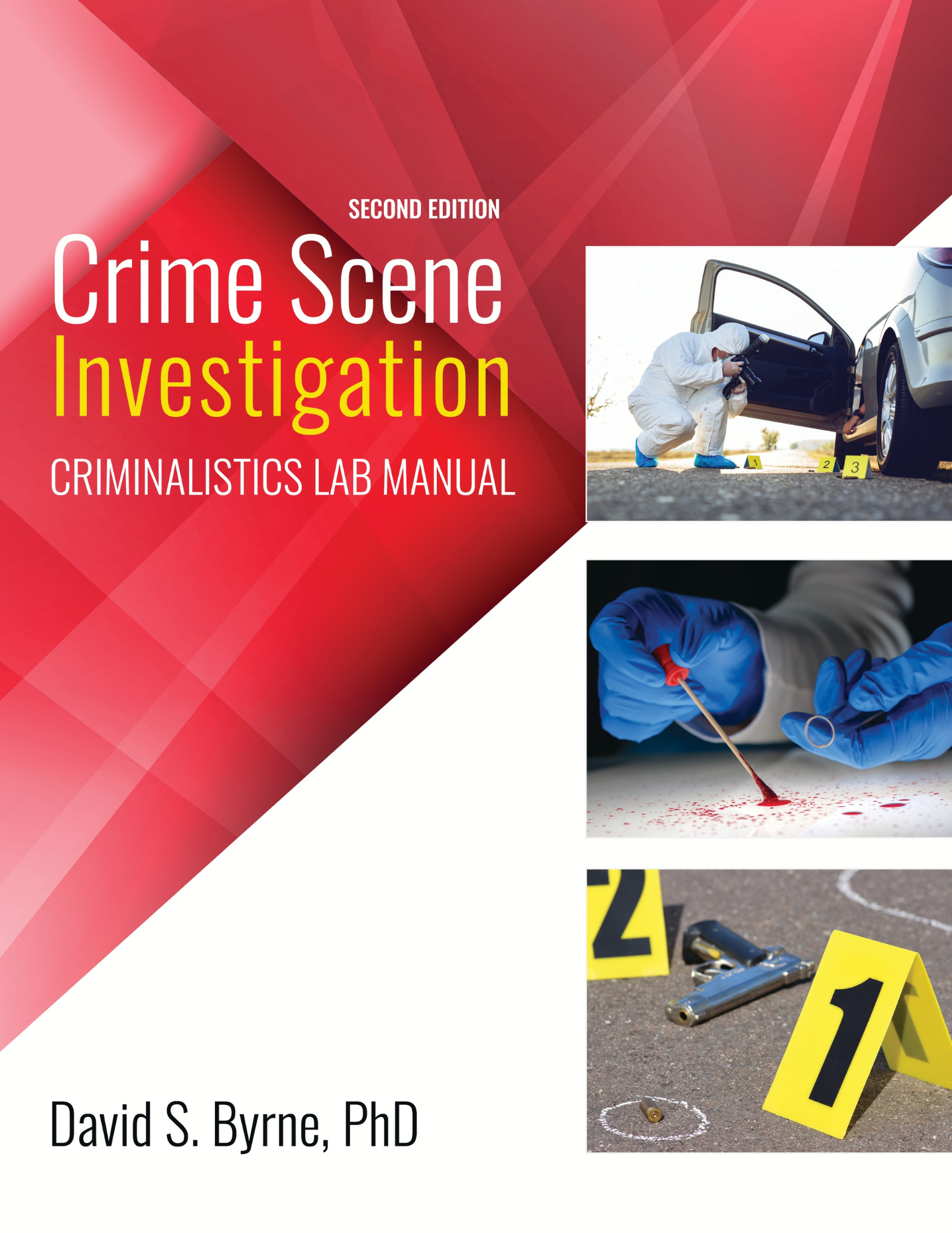
This one-of-a-kind Workbook contains 36 Topics, 46 Activities, 7 Crime Scene Simulations, and various templates including a Chain of Custody, Witness Statement and Lab Request Forms as well as a Fingerprint Card and multiple Checklists. This Lab Manual covers many important skills that a Crime Scene Investigator would need in handling a criminal investigation. Topics include working a crime scene from beginning to end, collection of fingerprints, blood and firearm evidence and methods and equipment needed to prevent contamination. This Lab Manual is a must for any student interested in a career in Forensic Science.
Chapter 1
Topic 1: Initial Crime Scene Procedures
Activity: Crime Scene Procedures
Topic 2: Searching the Crime Scene
Activity: Searching the Crime Scene 1
New Evidence at Crime Scene
Activity: Searching the Crime Scene 2
Topic 3: Crime Scene Personnel Log
Activity: Personnel Log
End of Chapter Questions
Chapter 2
Topic 4: Crime Scene Photography
Activity: Crime Scene Photography 1
Activity: Crime Scene Photography 2
End of Chapter Questions
Chapter 3
Topic 5: Crime Scene Sketches
Activity: Crime Scene Sketch 1
Activity: Crime Scene Sketch 2
Activity: Crime Scene Sketch 3
End of Chapter Questions
Chapter 4
Topic 6: Witness Interviews
Activity: Witness Interviews
Topic 7: Witness Written Statements
Activity: Witness Written Statements
End of Chapter Questions
Chapter 5
Topic 8: Where to Look for Fingerprints
Activity: Where to Look for Prints
Topic 9 Porous vs. Nonporous Surfaces
Activity: Porous vs. non-Porous Surfaces
Topic 10: Fingerprints—Determine Method to Collect/Reveal Prints
Activity: Method to Collect/Reveal Prints
Topic 11: Completing a Fingerprint Card
Activity: Completing a Fingerprint Card
Topic 12: Fingerprint Collection Is Not a Perfect Science
Activity: Fingerprint Collection
Activity: Fingerprint Analysis
Topic 13: Fingerprints—Recording the Evidence
Activity: Recording the Fingerprint Evidence
Topic 14: Pattern Identification
Activity: Pattern Identification
Topic 15: Comparison of Fingerprints
Activity: Compare Fingerprints
Topic 16: Ridge Patterns
Activity: Ridge Patterns 1
Activity: Ridge Patterns 2
End of Chapter Questions
Chapter 6
Topic 17: Firearm Evidence—Internal Ballistics
Activity: Internal Balistics
Topic 18: Bullet Cartridge as Evidence
Activity: Bullet Cartridge Analysis
Topic 19: Firearm As Evidence
Activity: Firearm Evidence
Topic 20: Forensic Examination of a Bullet Cartridge
Activity: Bullet Cartridge Evidence
Topic 21: Terminal Ballistics: Barrel as Evidence
Activity: Firearm Barrel Analysis
Topic 22: Bullet Striations
Activity: Bullet Striations Analysis
Topic 23: Terminal Ballistics
Activity: Terminal Ballistics
End of Chapter Questions
Chapter 7
Topic 24: Blood Evidence
Activity: Blood Spatter Patterns
Topic 25: Blood—Direction of Travel
Activity: Determine Direction
Topic: 26: Analysis of the Wound Can Indicate the Weapon Used
Activity: Wound Analysis
End of Chapter Questions
Chapter 8
Topic 27: Tread Impression Evidence
Activity: Tread Impression Analysis
Topic 28: Collecting Shoeprint Transfer Evidence
Activity: Shoeprint Evidence 1
Activity: Shoeprint Evidence 2
Topic 29: Cataloging Shoeprint Evidence
Activity: Cataloging Tread Pattern Evidence
Topic 30: Shoe Tread Class Characteristics
Activity: Tread Characteristics 1
Activity: Tread Characteristics 2
End of Chapter Questions
Chapter 9
Topic 31: Fiber Evidence
Activity: Fiber Evidence Analysis
End of Chapter Questions
Chapter 10
Topic 32: Crime Lab Tests
Activity: Lab Tests Requests
Topic 33: Crime Scene Documentation—Wounds/ Injuries
Activity: Document Wounds
End of Chapter Questions
Chapter 11
Topic 34: Crime Scene Gear
Activity: Crime Scene Gear
Topic 35: Chain of Custody
Activity: Chain of Custody Form
Topic 36: Preventing Contamination
Activity: Preventing Contamination Methods
Activity: Case-Study
End of Chapter Questions
Dr. David S. Byrne is currently an Assistant Professor at St. John's University in the Criminal Justice & Homeland Security department and teaches courses in Crime Scene Investigation, Intelligence Analysis, Criminal Investigations, and Counterterrorism. Dr. Byrne has over 15 years of experience in law enforcement, having provided intelligence analytical support in cases involving violent transnational criminal organizations. He was also cross-designated as a Special Detective Investigator for the District Attorney offices in Queens, Richmond, and Manhattan counties in New York where he assisted in the investigation and prosecution of organized crime networks involved in narcotics trafficking, violent extortions, and racketeering offenses.
Since 2015, he also taught at SUNY Farmingdale College, Center for Criminal Justice; courses included Criminalistics, Computer Forensics, and Intelligence Operations. Dr. Byrne was the recipient of the prestigious SUNY Chancellor's Award for Excellence in Adjunct Teaching (2023-2024) and received two grants for the development of a Mock Crime Scene simulation program at the school, see https://youtu.be/uwJahkCNsnA
Dr. Byrne's teaching method focuses on applied and experiential learning through the incorporation of hands-on learning activities to improve student outcomes, critical thinking skills, and long-term knowledge retention. His research interests focus on improving criminal justice education via technology simulations, cybersecurity, digital forensics, and intelligence studies and has published articles in these areas in scholarly journals and authored two books.
Dr. David Byrne earned his Doctorate (Ph.D.) in Information Science with a concentration in Criminal Justice Technologies, a Master of Science in Criminal Justice both from LIU Post, New York and a second Masters in Library & Information Science, from St. John's University in New York.