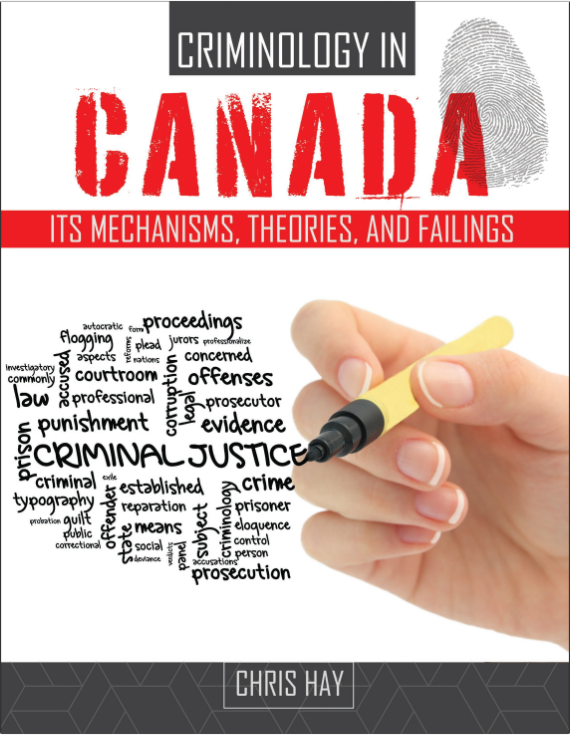
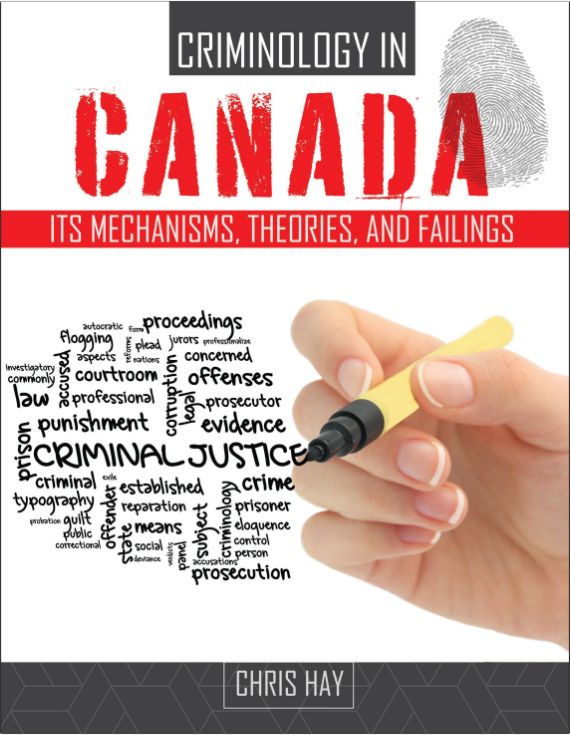
Criminology in Canada: Its Mechanisms, Theories, and Failings

Author(s): Christopher Hay

Edition: 1

Copyright: 2022

Pages: 246

Choose Your Format

Choose Your Platform | Help Me Choose

Ebook

$77.18 USD

ISBN 9798319700391

Details Electronic Delivery EBOOK 365 days

Criminology in Canada: Its Mechanism, Theories and Failings is a critical look at the Canadian Criminal Justice system.  This first two thirds of this text explores in detail how Canadian law operates and an in-depth look at a variety of criminological theories.  The final third of this text is quite unique as it discusses the role of non profit organizations within the criminal justice system.  Further, it also discusses a number of failings or challenges within the current system and it also analyzes similarities and differences between justice and social justice.  This text has been evaluated and student course evaluations reveal that this text has been a positive contribution to their criminology classes.

NOTE: The price indicated above is USD

Chapter 1 Criminal Law 
Chapter Outcomes 
Key Terms 
Introduction 
Evolution of Canadian Criminal Law 
Canadian Charter of Rights and Freedoms 
Elements of a Crime 
       The Criminal Act (Actus Reus) 
       The Guilty Mind (Mens Rea) 
Defences 
       Alibi Defences 
       Justification Defences 
       Consent 
       Duress 
       Entrapment 
       Necessity 
       Provocation 
       Self-Defence 
       Excuse Defences 
       Age 
       Automatism
       Mental Disorder
       Mistake Defences 
The Criminal Justice Wedding Cake Model 
Summary 
References 

Chapter 2 Measuring Crime 
Chapter Outcomes 
Key Terms 
Introduction 
Official Statistics 
Self-Report Surveys 
Victimization Surveys 
Observational Accounts 
Is Crime in Canada on the Rise? 
Trends and Correlates of Canadian Homicide 
Conclusion 
References 

Chapter 3 The Classical School 
Chapter Outcomes 
Key Terms 
Pre-Enlightenment Era Philosophers 
Enlightenment Era Philosophers 
Classical Criminological Theories 
Deterrence Theory – Articulated Propositions 
Cartographic School of Criminology 
   (Sometimes Referred to as the Statistical School)
Neo-Classical School of Criminology
Routine Activity Theory 
Classical Theories into the 20th Century 
Critiquing Classical Theories of Crime 
Policy Implications for Classical Theories of Crime 
References 

Chapter 4 Structural Theories 
Chapter Outcomes 
Key Terms 
Ecological and Social Disorganization Theories 
Strain Theories 
Subcultural Conflict Theories 
Critiquing Structural Theories 
Policy Implications for Social Structure Theories 
References 

Chapter 5 Social Process Theories 
Chapter Outcomes 
Key Terms 
Social Learning Theories 
Critiquing Learning Theories 
Policy Implications for Learning Theories 
Social Control Theories 
Critiquing Social Control Theories 
Policy Implications for Social Control Theories 
Labeling Theory 
Critiquing Labeling Theory 
Policy Implications for Labeling Theory 
Social Development Life Course Theories 
Critiquing Social Development Life Course Theories 
Policy Implications for Social Development Life Course Theories 
Social Process Theory Summary 
References 

Chapter 6 Social Conflict Theories 
Chapter Outcomes 
Key Terms 
Marxist-Based Radical or Critical Theories 
Instrumental Marxism
Critiquing Marxist-Based Radical or Critical Theories 
Policy Implications for Marxist-Based Radical or Critical Theories 
Social Conflict Theories 
Critiquing Social Conflict Theories 
Policy Implications for Social Conflict Theories 
Feminist Theories 
Critiquing Feminist Theories 
Policy Implications for Feminist Theories 
Social Conflict Theory Summary 
References 

Chapter 7 Rehabilitation and Reintegration 
Chapter Outcomes 
Key Terms 
Rehabilitation 
       Rehabilitation vs. Crime Prevention 
       Rehabilitation vs. Punishment 
       Canadian Approach 
       Institutional Correctional Programming 
       Community Rehabilitation 
       What Doesn’t Work? 
       Challenges With Rehabilitation 
       Concerns With Colonial Rehabilitation 
Reintegration 
       What Are the Challenges to Reintegration? 
       What Makes for Successful Reintegration? 
       Benefits of Successful Reintegration 
       Reintegration in Canada 
References 

Chapter 8 Criminal Justice Process and Models 
Chapter Outcomes 
Key Terms 
Core Components 
       Police 
       Courts 
       Corrections 
Preventative, Proactive, and Reactive Approaches to Justice 
       Preventative Approach 
       Proactive Approach 
       Reactive Approach 
Punishment vs. Alternative Justice/Restorative Justice 
Models: As a Comparison 
       Australia/New Zealand 
       Canadian Approach 
References 

Chapter 9 Criminal Justice Partnerships 
Chapter Outcomes 
Key Terms 
Scope and Funding of NGOs 
Value and Position of NGOs In Criminal Justice
Public Service Canada Non-Profit Partners in the Criminal Justice System 
Department of Justice and Nonprofit Partners in the Criminal Justice System 
The John Howard Societies of Canada and The Elizabeth Fry Societies of Canada 
Nonprofit Versus For-Profit Organization Visions
References

Chapter 10 Social Justice vs. Criminal Justice
Chapter Outcomes
Key Terms 
Criminal Justice
Social Justice 
Social Injustice 
What Is Justice? 
Two Specific Cases 
Mitigating Social Injustice
References

Glossary

Christopher Hay

Chris Hay has worked within the criminal justice system for over 30 years.  Chris' roles have included working as a Probation Officer, as a Civilian Manager of an Intelligence Unit at a large Canadian Police Service, as a Consultant to North American Police Services, and most recently, as the Executive Director of a Non Profit organization that helps to rehabilitate and reintegrate people who in trouble with the law.  Further, Chris also currently teaches Sociology, Criminology, Research Methods, and Intelligence courses at six Canadian Universities, Colleges, and Institutes.

Criminology in Canada: Its Mechanism, Theories and Failings is a critical look at the Canadian Criminal Justice system.  This first two thirds of this text explores in detail how Canadian law operates and an in-depth look at a variety of criminological theories.  The final third of this text is quite unique as it discusses the role of non profit organizations within the criminal justice system.  Further, it also discusses a number of failings or challenges within the current system and it also analyzes similarities and differences between justice and social justice.  This text has been evaluated and student course evaluations reveal that this text has been a positive contribution to their criminology classes.

NOTE: The price indicated above is USD

Chapter 1 Criminal Law 
Chapter Outcomes 
Key Terms 
Introduction 
Evolution of Canadian Criminal Law 
Canadian Charter of Rights and Freedoms 
Elements of a Crime 
       The Criminal Act (Actus Reus) 
       The Guilty Mind (Mens Rea) 
Defences 
       Alibi Defences 
       Justification Defences 
       Consent 
       Duress 
       Entrapment 
       Necessity 
       Provocation 
       Self-Defence 
       Excuse Defences 
       Age 
       Automatism
       Mental Disorder
       Mistake Defences 
The Criminal Justice Wedding Cake Model 
Summary 
References 

Chapter 2 Measuring Crime 
Chapter Outcomes 
Key Terms 
Introduction 
Official Statistics 
Self-Report Surveys 
Victimization Surveys 
Observational Accounts 
Is Crime in Canada on the Rise? 
Trends and Correlates of Canadian Homicide 
Conclusion 
References 

Chapter 3 The Classical School 
Chapter Outcomes 
Key Terms 
Pre-Enlightenment Era Philosophers 
Enlightenment Era Philosophers 
Classical Criminological Theories 
Deterrence Theory – Articulated Propositions 
Cartographic School of Criminology 
   (Sometimes Referred to as the Statistical School)
Neo-Classical School of Criminology
Routine Activity Theory 
Classical Theories into the 20th Century 
Critiquing Classical Theories of Crime 
Policy Implications for Classical Theories of Crime 
References 

Chapter 4 Structural Theories 
Chapter Outcomes 
Key Terms 
Ecological and Social Disorganization Theories 
Strain Theories 
Subcultural Conflict Theories 
Critiquing Structural Theories 
Policy Implications for Social Structure Theories 
References 

Chapter 5 Social Process Theories 
Chapter Outcomes 
Key Terms 
Social Learning Theories 
Critiquing Learning Theories 
Policy Implications for Learning Theories 
Social Control Theories 
Critiquing Social Control Theories 
Policy Implications for Social Control Theories 
Labeling Theory 
Critiquing Labeling Theory 
Policy Implications for Labeling Theory 
Social Development Life Course Theories 
Critiquing Social Development Life Course Theories 
Policy Implications for Social Development Life Course Theories 
Social Process Theory Summary 
References 

Chapter 6 Social Conflict Theories 
Chapter Outcomes 
Key Terms 
Marxist-Based Radical or Critical Theories 
Instrumental Marxism
Critiquing Marxist-Based Radical or Critical Theories 
Policy Implications for Marxist-Based Radical or Critical Theories 
Social Conflict Theories 
Critiquing Social Conflict Theories 
Policy Implications for Social Conflict Theories 
Feminist Theories 
Critiquing Feminist Theories 
Policy Implications for Feminist Theories 
Social Conflict Theory Summary 
References 

Chapter 7 Rehabilitation and Reintegration 
Chapter Outcomes 
Key Terms 
Rehabilitation 
       Rehabilitation vs. Crime Prevention 
       Rehabilitation vs. Punishment 
       Canadian Approach 
       Institutional Correctional Programming 
       Community Rehabilitation 
       What Doesn’t Work? 
       Challenges With Rehabilitation 
       Concerns With Colonial Rehabilitation 
Reintegration 
       What Are the Challenges to Reintegration? 
       What Makes for Successful Reintegration? 
       Benefits of Successful Reintegration 
       Reintegration in Canada 
References 

Chapter 8 Criminal Justice Process and Models 
Chapter Outcomes 
Key Terms 
Core Components 
       Police 
       Courts 
       Corrections 
Preventative, Proactive, and Reactive Approaches to Justice 
       Preventative Approach 
       Proactive Approach 
       Reactive Approach 
Punishment vs. Alternative Justice/Restorative Justice 
Models: As a Comparison 
       Australia/New Zealand 
       Canadian Approach 
References 

Chapter 9 Criminal Justice Partnerships 
Chapter Outcomes 
Key Terms 
Scope and Funding of NGOs 
Value and Position of NGOs In Criminal Justice
Public Service Canada Non-Profit Partners in the Criminal Justice System 
Department of Justice and Nonprofit Partners in the Criminal Justice System 
The John Howard Societies of Canada and The Elizabeth Fry Societies of Canada 
Nonprofit Versus For-Profit Organization Visions
References

Chapter 10 Social Justice vs. Criminal Justice
Chapter Outcomes
Key Terms 
Criminal Justice
Social Justice 
Social Injustice 
What Is Justice? 
Two Specific Cases 
Mitigating Social Injustice
References

Glossary

Christopher Hay

Chris Hay has worked within the criminal justice system for over 30 years.  Chris' roles have included working as a Probation Officer, as a Civilian Manager of an Intelligence Unit at a large Canadian Police Service, as a Consultant to North American Police Services, and most recently, as the Executive Director of a Non Profit organization that helps to rehabilitate and reintegrate people who in trouble with the law.  Further, Chris also currently teaches Sociology, Criminology, Research Methods, and Intelligence courses at six Canadian Universities, Colleges, and Institutes.
