Educational Leadership and Organizational Change
Edition: 1
Copyright: 2026
Pages: 60
Choose Your Format
Ebook
$60.00 USD
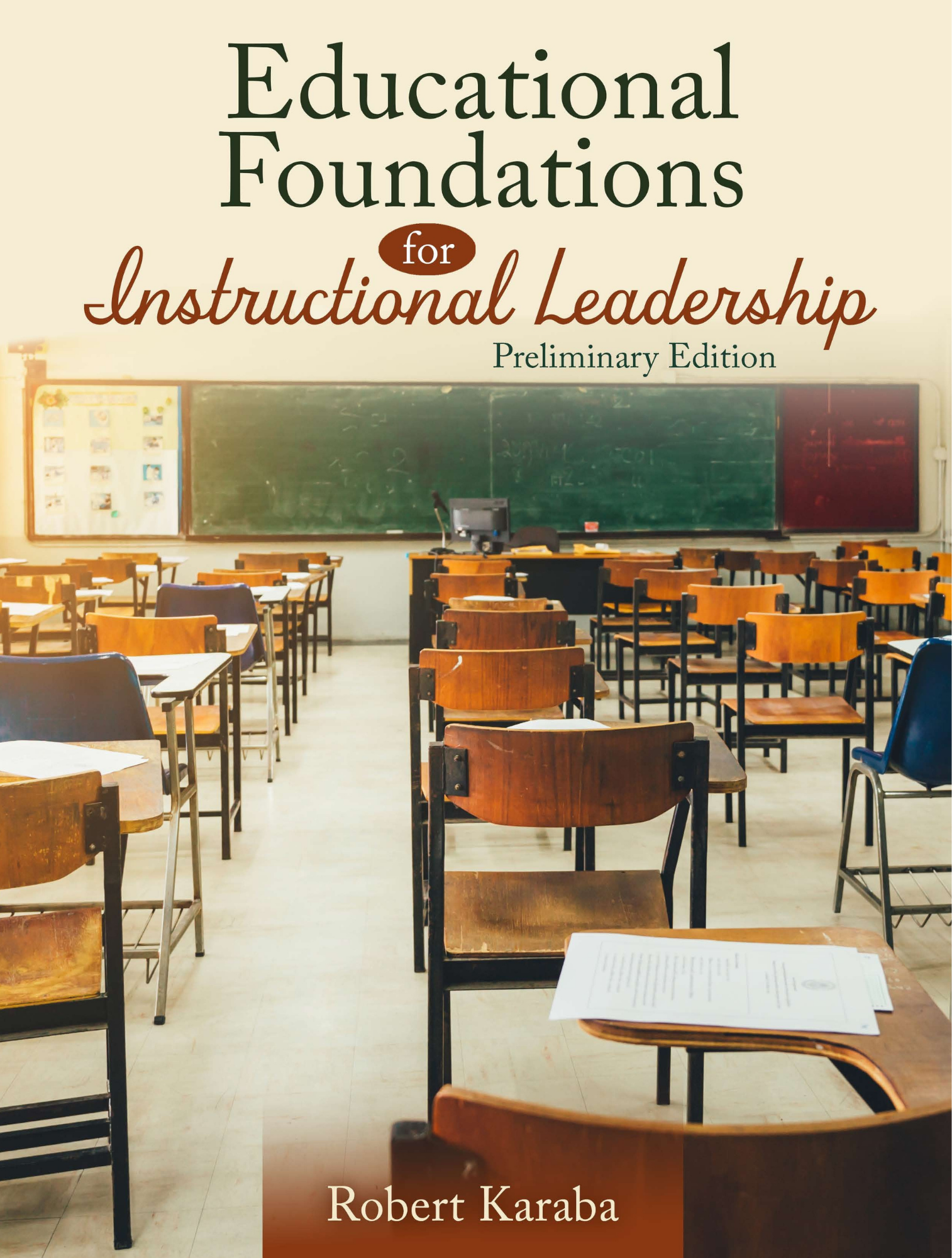
Educational systems and schooling are a socio-cultural, historical, political-economic, and philosophical phenomenon. Educational leaders, as opposed to technicians, inform themselves on these social foundations of education as they seek to better the socio-cultural environment through education (social reconstruction) rather than merely “going along” (social reproduction)
The social foundations of education dictate the ever-important aims in education. Understanding these foundations is critical for instructional leadership, as educational practices and policies derive from those aims. What do you believe the ultimate goal of education should be? Why do you think that?

Robert Karaba is an associate professor of Educational Leadership at New Mexico Highlands University. He researches and teaches for a more socially just and democratic culture from a Deweyan perspective. He recently contributed and edited Sen, Dewey, and Education. Along with his chapter Educational Leadership for Democratic Culture in The Handbook of Dewey’s Educational Theory and Practice are his more recent articles, Challenging Freedom: Neoliberalism and the Erosion of Democratic Education, and Breaking Down the Gold Standard of Education.
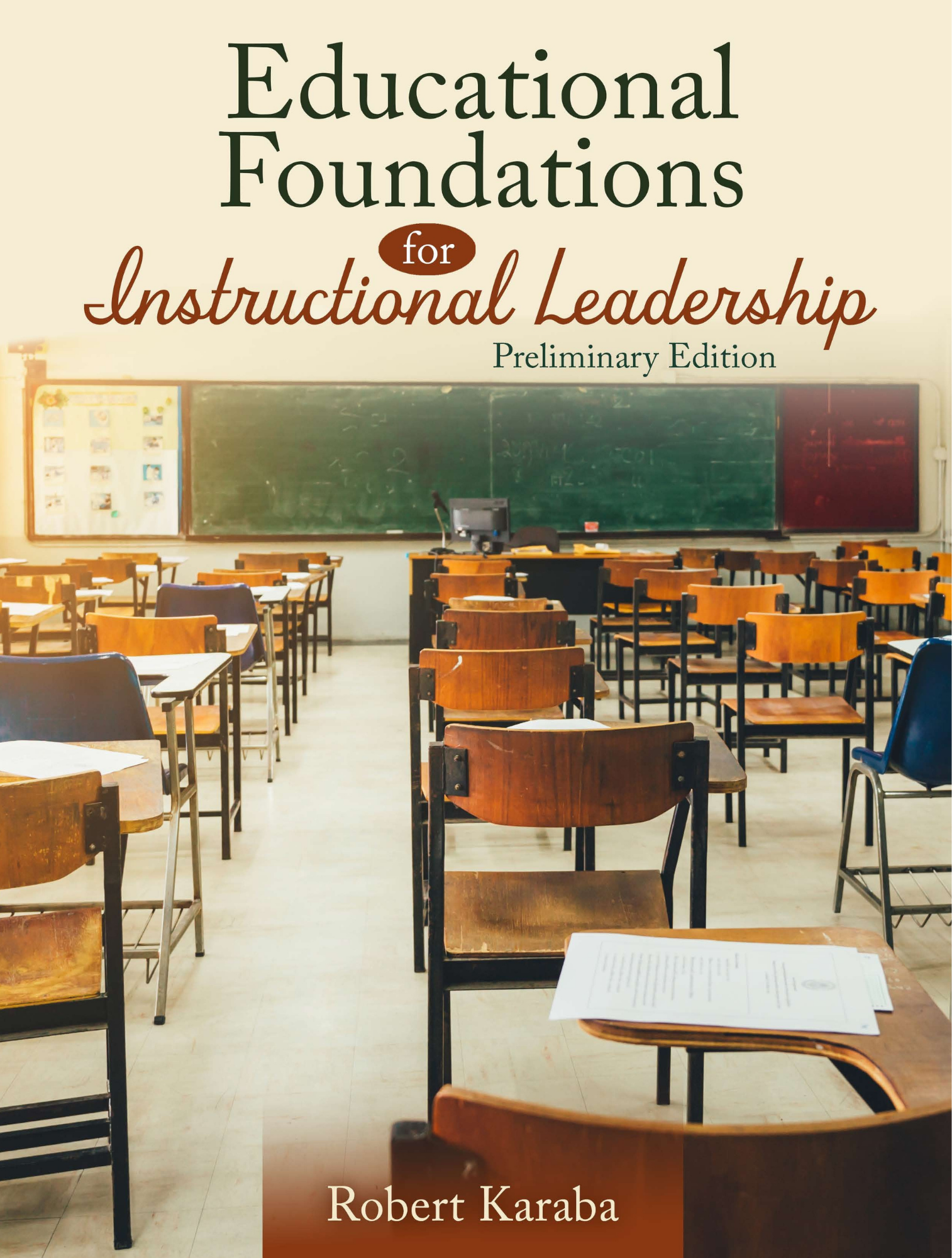
Educational systems and schooling are a socio-cultural, historical, political-economic, and philosophical phenomenon. Educational leaders, as opposed to technicians, inform themselves on these social foundations of education as they seek to better the socio-cultural environment through education (social reconstruction) rather than merely “going along” (social reproduction)
The social foundations of education dictate the ever-important aims in education. Understanding these foundations is critical for instructional leadership, as educational practices and policies derive from those aims. What do you believe the ultimate goal of education should be? Why do you think that?
Robert Karaba is an associate professor of Educational Leadership at New Mexico Highlands University. He researches and teaches for a more socially just and democratic culture from a Deweyan perspective. He recently contributed and edited Sen, Dewey, and Education. Along with his chapter Educational Leadership for Democratic Culture in The Handbook of Dewey’s Educational Theory and Practice are his more recent articles, Challenging Freedom: Neoliberalism and the Erosion of Democratic Education, and Breaking Down the Gold Standard of Education.