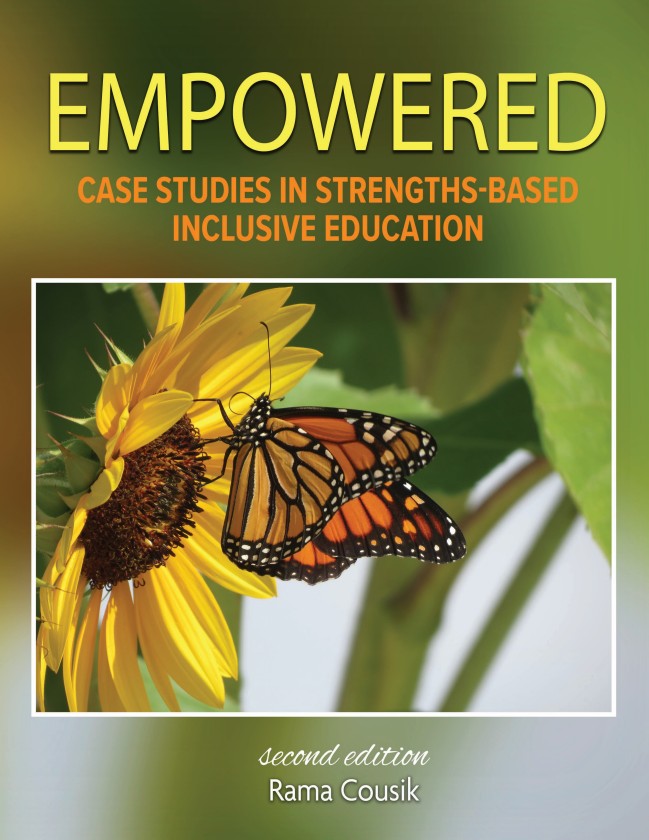
Empowered: Case Studies in Strengths-Based Inclusive Education
Edition: 2
Copyright: 2025
Pages: 94
Choose Your Format
Choose Your Platform | Help Me Choose


Ebook
$60.00 USD
This comprehensive resource explores disability models, Autism Spectrum Disorders, paraprofessional roles, family involvement, behavior management, and practical strategies for educators. It offers real-world insights for creating strengths-based, inclusive learning environments.
A must-read for educators, administrators, and anyone committed to empowering students through inclusive education.
Chapter 1: Introduction
Chapter 2: Disability Models and Educational Services
Chapter 3: Autism Spectrum Disorders
Chapter 4: Paraprofessionals
Chapter 5: General Education Teacher and the IEP
Chapter 6: Family Involvement in Education
Chapter 7: Behavior Management
Chapter 8: Siblings of Individuals with Disabilities
Chapter 9: In-Sightful Journey of a Leader
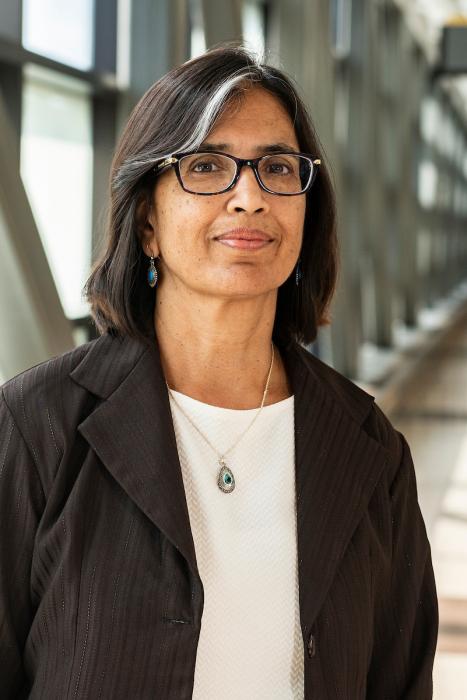
Rama Cousik is an Associate Professor of Special Education in the department of Counseling and Graduate Education, School of Education, at Purdue University, Fort Wayne. She is the author of the book Empowered: Case studies in strengths-based inclusive education. She employs qualitative and arts-based research such as poetic inquiry and her research aims to highlight the voices of people with disabilities and their families. She is a community editor for the journal The Qualitative Report, published by Nova Southern University. Her publications have appeared qualitative research and disability studies journals like The Qualitative Report, Emerald Journal of Multicultural Education, Disability Studies Quarterly, and Psychology in Schools. .
This book uses case studies and storytelling in an exponential way to help readers practically understand inclusive education. Circumventing theory-based work, it presents and brings into the light everyday classroom practice, family life, and cultural understanding of disability so that the reader may see themselves in it. Arranging research, lived experience, the author demonstrates how children with disabilities are shaped not just by their disorders but also by society’s perceptions of them, school practices, and the supports available to them. The exploration of medical, social, and moral models of disability helps readers see past the label and recognize strength in every child. The book is thought-provoking, incisive and inspirational for teachers, parents and anybody concerned with an inclusive educational system. This book must be part of the reference library for the various curricula related to courses in India.
Dr. Rajesh Ramachandran
This comprehensive resource explores disability models, Autism Spectrum Disorders, paraprofessional roles, family involvement, behavior management, and practical strategies for educators. It offers real-world insights for creating strengths-based, inclusive learning environments.
A must-read for educators, administrators, and anyone committed to empowering students through inclusive education.
Chapter 1: Introduction
Chapter 2: Disability Models and Educational Services
Chapter 3: Autism Spectrum Disorders
Chapter 4: Paraprofessionals
Chapter 5: General Education Teacher and the IEP
Chapter 6: Family Involvement in Education
Chapter 7: Behavior Management
Chapter 8: Siblings of Individuals with Disabilities
Chapter 9: In-Sightful Journey of a Leader
Rama Cousik is an Associate Professor of Special Education in the department of Counseling and Graduate Education, School of Education, at Purdue University, Fort Wayne. She is the author of the book Empowered: Case studies in strengths-based inclusive education. She employs qualitative and arts-based research such as poetic inquiry and her research aims to highlight the voices of people with disabilities and their families. She is a community editor for the journal The Qualitative Report, published by Nova Southern University. Her publications have appeared qualitative research and disability studies journals like The Qualitative Report, Emerald Journal of Multicultural Education, Disability Studies Quarterly, and Psychology in Schools. .
This book uses case studies and storytelling in an exponential way to help readers practically understand inclusive education. Circumventing theory-based work, it presents and brings into the light everyday classroom practice, family life, and cultural understanding of disability so that the reader may see themselves in it. Arranging research, lived experience, the author demonstrates how children with disabilities are shaped not just by their disorders but also by society’s perceptions of them, school practices, and the supports available to them. The exploration of medical, social, and moral models of disability helps readers see past the label and recognize strength in every child. The book is thought-provoking, incisive and inspirational for teachers, parents and anybody concerned with an inclusive educational system. This book must be part of the reference library for the various curricula related to courses in India.
Dr. Rajesh Ramachandran