Engineering Ethics Guidebook

Edition: 1

Copyright: 2026

Pages: 105

Choose Your Format

Website

$45.00 USD

ISBN 9798385198047

Details KHPContent 180 days

The Engineering Ethics Guidebook is an essential resource, co-created with engineering and ethics practitioners, that fills the gap between theory and practice often found in the transition from college to career. Students and early career engineers often ask How do I know I’m doing the right thing? 

This guidebook provides four key sections to help navigate that uncertainty:

  1. a systematic framework to analyze and map the ethical considerations of complex engineering situations
  2. a repeatable process to make ethical decisions
  3. guidelines to develop an ethical organization with ethical leadership
  4. industry-vetted techniques, tips and tools to develop and hone ethical discernment skills 

Illustrative examples, workshops, exercises and assessments bring the concepts to life and provide opportunities for students and practitioners to evaluate competing influences, assess risk, generate viable options, weigh decision-making factors, communicate ethical judgments effectively, and exercise ethical reasoning and professional responsibility. The Guidebook integrates language used in engineering practice, samples of daily tradeoffs and decisions practitioners face under real world constraints, and classroom ready workshops and exercises to help students learn how to navigate real engineering ethics challenges. The breadth of the content from the individual to global considerations with perspectives from automotive, environmental, artificial intelligence, biopharmaceuticals, design and innovation, and defense industries makes the guidebook relevant across many engineering disciplines and engineering organizations. 

The Engineering Ethics Guidebook helps instructors and facilitators easily integrate ethics into lectures, seminars, core engineering courses, design experiences, capstone projects, and professional practice applications. Most importantly, the Guidebook helps students make ethical decisions, it reflects how ethics works in engineering practice, and helps engineers transition from college to career. 

Co-created with engineering and ethics practitioners: Omar J. Bchir, Ph.D., Qualcomm Technologies, Inc.; Sheila Bonde; Ishan Jaithwa; Jordan Joiner; E. Kibbles; Tori Morgan; Saurav Pathak, Charles and Mari Anne Banks Professor in Entrepreneurship, Raymond A Mason School of Business, William & Mary; Kennedy E. Stone; Gwyneth Sutterlin; Takashi Wickes, OpenStudio & IDEO

Illustrations by Award-winning artist/illustrator Caren Hackman.

Section 1: Framework

Section 2: Ethical Decision-Making Process

Section 3: Striving for Excellence

Section 4: Techniques

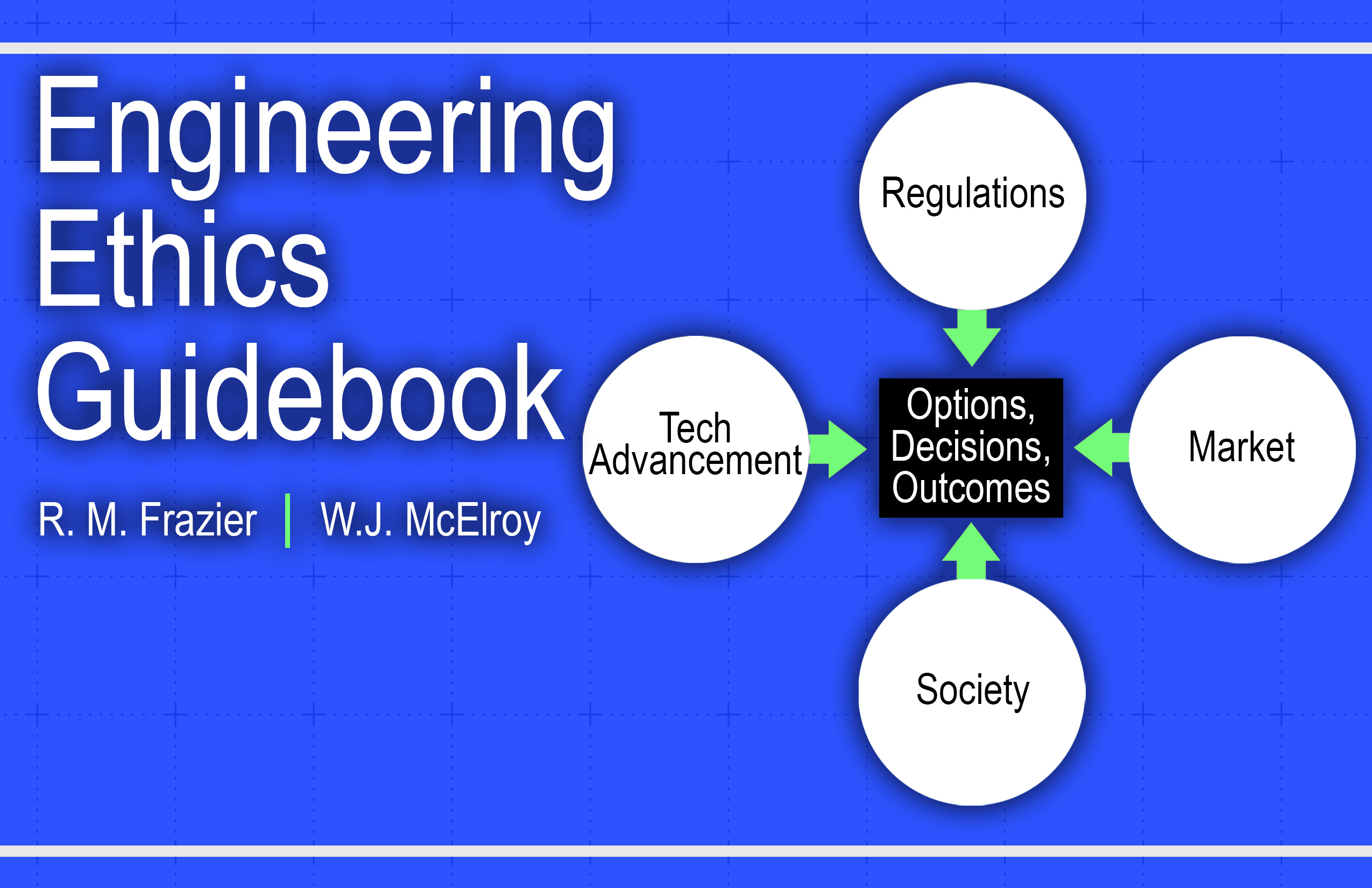
 The Engineering Ethics Guidebook is divided into four sections, each focusing on different aspects of engineering ethics. It begins with a framework through which to view past cases, current situations, and future scenarios. The framework is based on recognizing patterns in the decisions and outcomes of engineering ethical dilemmas and violations, and provides unique forces that shape engineering decisions. The framework has been vetted through engineering and ethics practitioners as well as student experiences and perspectives from a large enrollment introductory engineering ethics course . 

Following the framework, the Guidebook outlines a vetted process to guide ethical decision-making and provides a systematic approach to analyze ethical dilemmas and act with insight, forethought and awareness. 

To further develop an understanding of engineering ethics, the Guidebook includes an overview of ethical leadership and culture. This section provides insight and inspiration in how to strive for excellence in engineering organizations. 

And finally, the Guidebook closes with generally accepted techniques and best practices used by people working in engineering and STEM organizations to help instructors and facilitators hone skills and encourage habits of ethical behavior. 

Each section can be taken individually to complement existing training and courses, or they can be combined to capture a full picture of how to navigate everyday engineering with ethical considerations. Each section has been co-created and content thoroughly reviewed by engineering and ethics practitioners, providing real decision environments faced in the engineering profession.

Rachel Frazier

Dr. Rachel Frazier is an educator, researcher, and entrepreneur who thrives at the intersection of innovation and ethical leadership. She brings energy and creativity to ethics and leadership education, using experiential learning, flipped classrooms, and gamified concepts to prepare students to tackle real-world challenges. With expertise spanning materials science, entrepreneurship, and education, Rachel extends her impact beyond the classroom, contributing to research, publications, ethics competitions, professional development initiatives, non-profit boards, and community workshops to inspire collaboration and drive meaningful change.

The Engineering Ethics Guidebook comes from the intersection of Rachel’s passions to bring people together and foster positive impact in engineering education. After teaching a large enrollment introductory engineering ethics course in the Herbert Wertheim College of Engineering at the University of Florida, the book was conceptualized from recognizing the opportunity to help students answer the question instructors know well “How do we know we’re taking everything into account?” Realizing this can only be answered by understanding how ethics works across different engineering industries, she facilitated collaboration on the Engineering Ethics Hub to provide a forum where STEM leaders & practitioners discuss ethics best practices. The result is a playbook, grounded in real engineering practice, to guide modern engineers to innovate rapid advancements in engineering with a mindset for ethical options, decisions, and outcomes.

William McElroy

William J. “Bill” McElroy, P.E. is Associate Director and Gene Fraser Teaching Professor in the Engineering Leadership Institute at the University of Florida’s Herbert Wertheim College of Engineering. He develops and teaches courses in engineering leadership, advanced engineering leadership development, and engineering ethics; oversees curriculum design and credential programs; recruits and mentors faculty; and advises several student engineering organizations. 

Bill joined the Institute in 2016 following a 42-year career in both private and public sector engineering. That last 32 of those years were spent with CH2M HILL (now part of Jacobs Solutions, Inc.) in Gainesville, FL, retiring as Vice President and Area Office Manager. His work spanned numerous water resource and environmental engineering projects across the southeastern U.S. and abroad, including public water supply development and permitting; investigative, feasibility, and remedial design studies for contaminated sites; design and pilot field testing of innovative groundwater remediation technologies to address light and dense non-aqueous phase liquids serving as long term sources of groundwater contamination; land treatment systems for wastewater management; and hydrologic studies of surface water–groundwater interactions. Bill spent the first 10 years of his career with the Florida Department of Natural Resources and the Department of Environmental Regulation, completing special projects including flood, drainage, and hydrologic restoration studies; statewide stormwater pollution control guidance; and regulations for wastewater and land treatment systems for reuse of reclaimed water. 

Bill is a licensed professional engineer in Florida and holds a master’s degree in industrial & systems engineering from the University of Florida. His undergraduate background is in earth science (physical geography) and environmental engineering sciences. He is a long-term member of several professional organizations including the National Society of Professional Engineers and Phi Kappa Phi.

The Engineering Ethics Guidebook is an essential resource, co-created with engineering and ethics practitioners, that fills the gap between theory and practice often found in the transition from college to career. Students and early career engineers often ask How do I know I’m doing the right thing? 

This guidebook provides four key sections to help navigate that uncertainty:

  1. a systematic framework to analyze and map the ethical considerations of complex engineering situations
  2. a repeatable process to make ethical decisions
  3. guidelines to develop an ethical organization with ethical leadership
  4. industry-vetted techniques, tips and tools to develop and hone ethical discernment skills 

Illustrative examples, workshops, exercises and assessments bring the concepts to life and provide opportunities for students and practitioners to evaluate competing influences, assess risk, generate viable options, weigh decision-making factors, communicate ethical judgments effectively, and exercise ethical reasoning and professional responsibility. The Guidebook integrates language used in engineering practice, samples of daily tradeoffs and decisions practitioners face under real world constraints, and classroom ready workshops and exercises to help students learn how to navigate real engineering ethics challenges. The breadth of the content from the individual to global considerations with perspectives from automotive, environmental, artificial intelligence, biopharmaceuticals, design and innovation, and defense industries makes the guidebook relevant across many engineering disciplines and engineering organizations. 

The Engineering Ethics Guidebook helps instructors and facilitators easily integrate ethics into lectures, seminars, core engineering courses, design experiences, capstone projects, and professional practice applications. Most importantly, the Guidebook helps students make ethical decisions, it reflects how ethics works in engineering practice, and helps engineers transition from college to career. 

Co-created with engineering and ethics practitioners: Omar J. Bchir, Ph.D., Qualcomm Technologies, Inc.; Sheila Bonde; Ishan Jaithwa; Jordan Joiner; E. Kibbles; Tori Morgan; Saurav Pathak, Charles and Mari Anne Banks Professor in Entrepreneurship, Raymond A Mason School of Business, William & Mary; Kennedy E. Stone; Gwyneth Sutterlin; Takashi Wickes, OpenStudio & IDEO

Illustrations by Award-winning artist/illustrator Caren Hackman.

Section 1: Framework

Section 2: Ethical Decision-Making Process

Section 3: Striving for Excellence

Section 4: Techniques

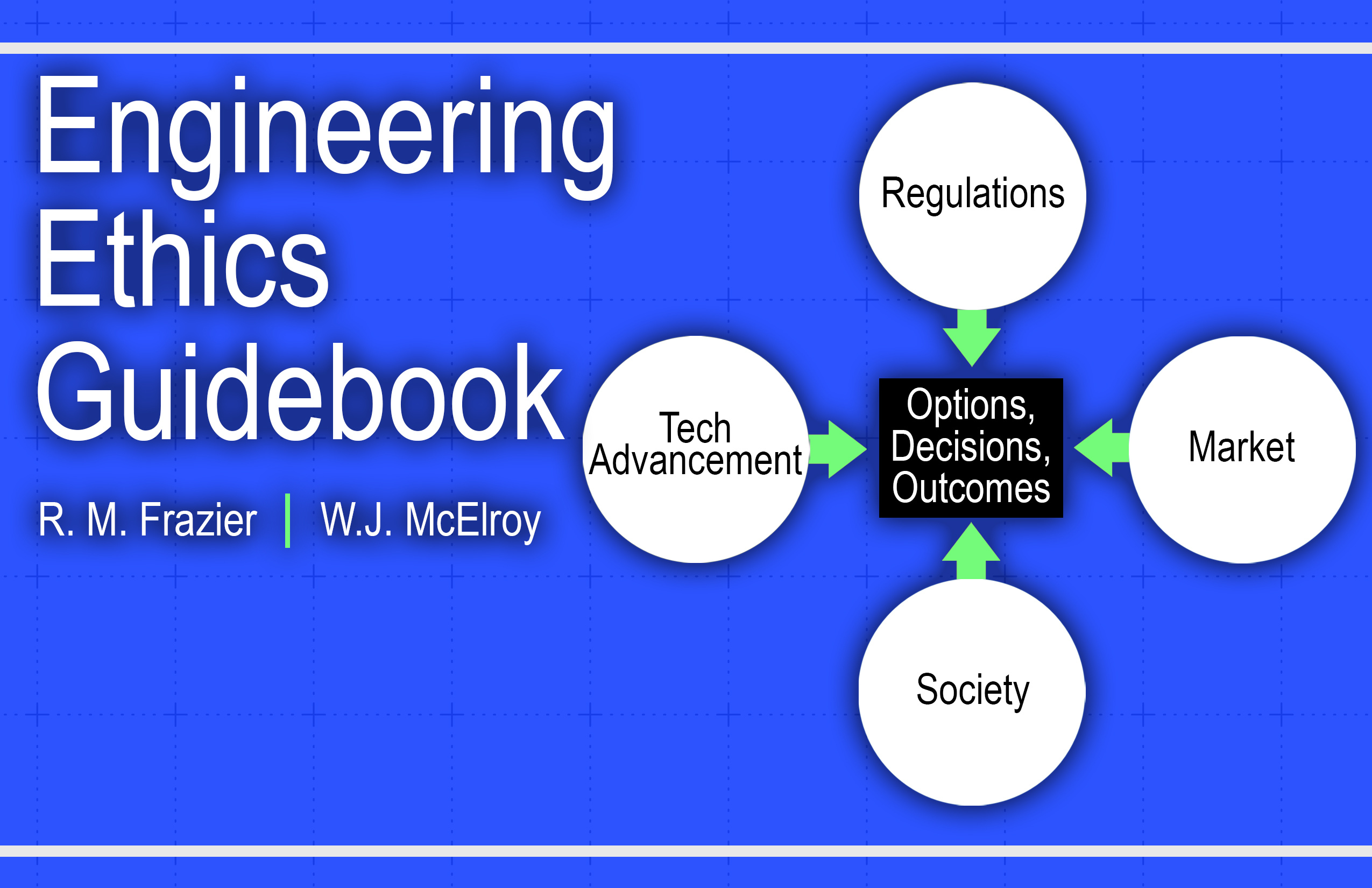
 The Engineering Ethics Guidebook is divided into four sections, each focusing on different aspects of engineering ethics. It begins with a framework through which to view past cases, current situations, and future scenarios. The framework is based on recognizing patterns in the decisions and outcomes of engineering ethical dilemmas and violations, and provides unique forces that shape engineering decisions. The framework has been vetted through engineering and ethics practitioners as well as student experiences and perspectives from a large enrollment introductory engineering ethics course . 

Following the framework, the Guidebook outlines a vetted process to guide ethical decision-making and provides a systematic approach to analyze ethical dilemmas and act with insight, forethought and awareness. 

To further develop an understanding of engineering ethics, the Guidebook includes an overview of ethical leadership and culture. This section provides insight and inspiration in how to strive for excellence in engineering organizations. 

And finally, the Guidebook closes with generally accepted techniques and best practices used by people working in engineering and STEM organizations to help instructors and facilitators hone skills and encourage habits of ethical behavior. 

Each section can be taken individually to complement existing training and courses, or they can be combined to capture a full picture of how to navigate everyday engineering with ethical considerations. Each section has been co-created and content thoroughly reviewed by engineering and ethics practitioners, providing real decision environments faced in the engineering profession.

Rachel Frazier

Dr. Rachel Frazier is an educator, researcher, and entrepreneur who thrives at the intersection of innovation and ethical leadership. She brings energy and creativity to ethics and leadership education, using experiential learning, flipped classrooms, and gamified concepts to prepare students to tackle real-world challenges. With expertise spanning materials science, entrepreneurship, and education, Rachel extends her impact beyond the classroom, contributing to research, publications, ethics competitions, professional development initiatives, non-profit boards, and community workshops to inspire collaboration and drive meaningful change.

The Engineering Ethics Guidebook comes from the intersection of Rachel’s passions to bring people together and foster positive impact in engineering education. After teaching a large enrollment introductory engineering ethics course in the Herbert Wertheim College of Engineering at the University of Florida, the book was conceptualized from recognizing the opportunity to help students answer the question instructors know well “How do we know we’re taking everything into account?” Realizing this can only be answered by understanding how ethics works across different engineering industries, she facilitated collaboration on the Engineering Ethics Hub to provide a forum where STEM leaders & practitioners discuss ethics best practices. The result is a playbook, grounded in real engineering practice, to guide modern engineers to innovate rapid advancements in engineering with a mindset for ethical options, decisions, and outcomes.

William McElroy

William J. “Bill” McElroy, P.E. is Associate Director and Gene Fraser Teaching Professor in the Engineering Leadership Institute at the University of Florida’s Herbert Wertheim College of Engineering. He develops and teaches courses in engineering leadership, advanced engineering leadership development, and engineering ethics; oversees curriculum design and credential programs; recruits and mentors faculty; and advises several student engineering organizations. 

Bill joined the Institute in 2016 following a 42-year career in both private and public sector engineering. That last 32 of those years were spent with CH2M HILL (now part of Jacobs Solutions, Inc.) in Gainesville, FL, retiring as Vice President and Area Office Manager. His work spanned numerous water resource and environmental engineering projects across the southeastern U.S. and abroad, including public water supply development and permitting; investigative, feasibility, and remedial design studies for contaminated sites; design and pilot field testing of innovative groundwater remediation technologies to address light and dense non-aqueous phase liquids serving as long term sources of groundwater contamination; land treatment systems for wastewater management; and hydrologic studies of surface water–groundwater interactions. Bill spent the first 10 years of his career with the Florida Department of Natural Resources and the Department of Environmental Regulation, completing special projects including flood, drainage, and hydrologic restoration studies; statewide stormwater pollution control guidance; and regulations for wastewater and land treatment systems for reuse of reclaimed water. 

Bill is a licensed professional engineer in Florida and holds a master’s degree in industrial & systems engineering from the University of Florida. His undergraduate background is in earth science (physical geography) and environmental engineering sciences. He is a long-term member of several professional organizations including the National Society of Professional Engineers and Phi Kappa Phi.