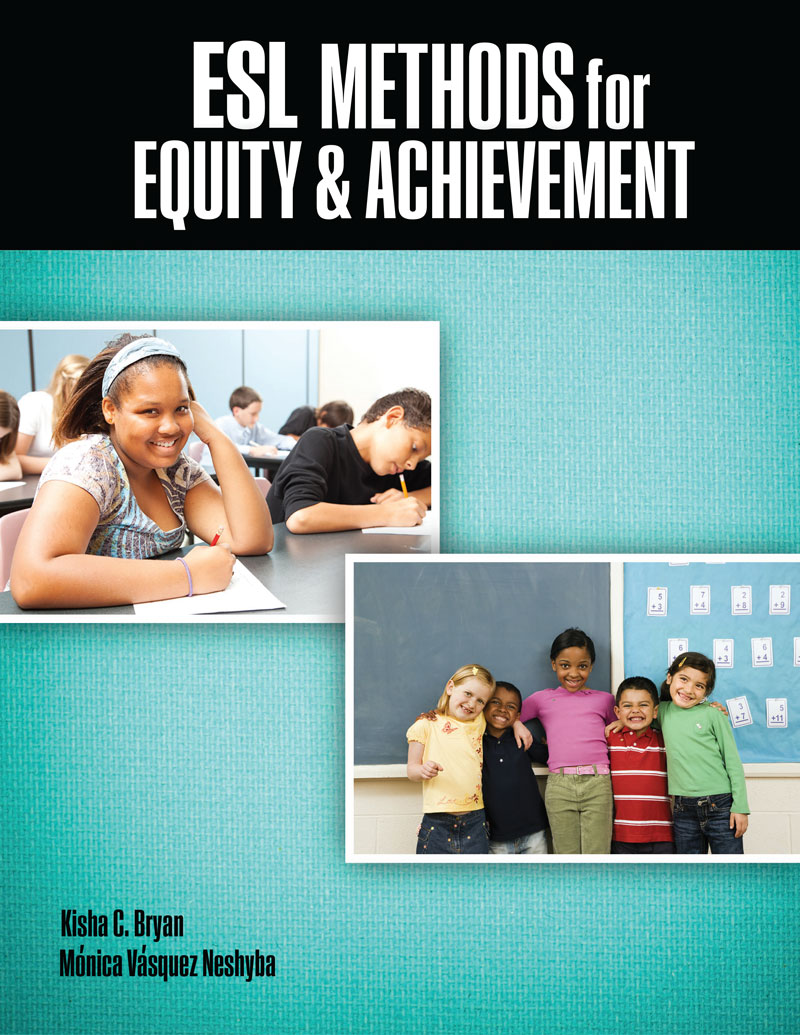
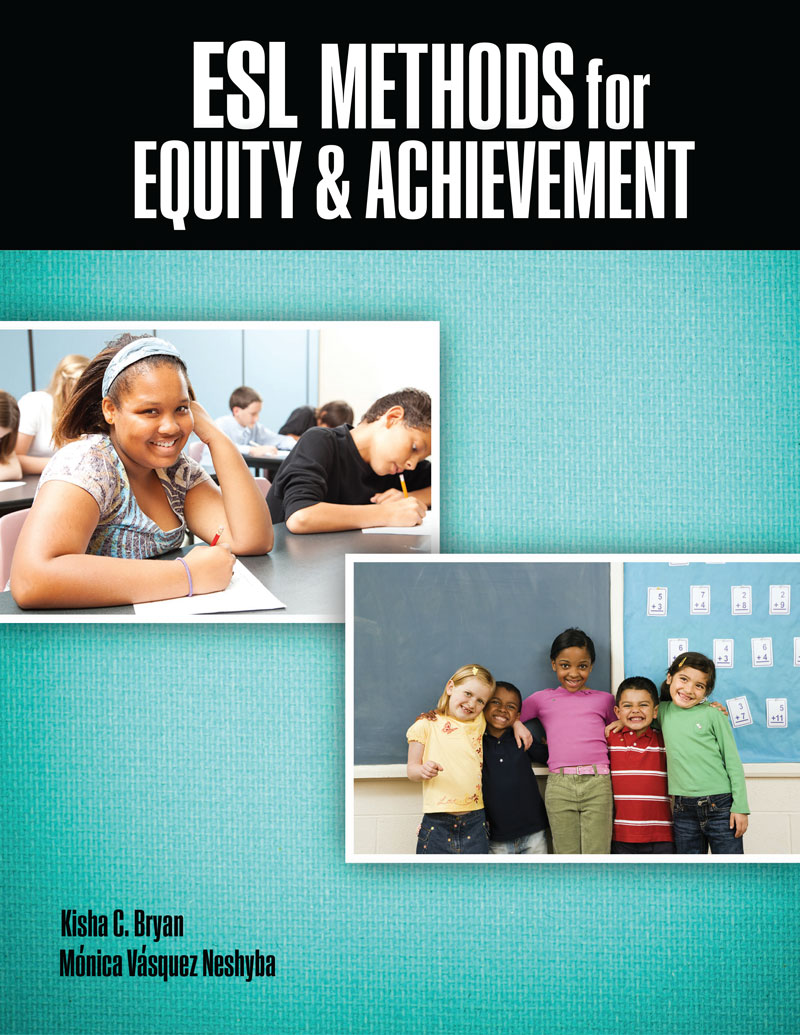
ESL Methods for Equity and Achievement

Edition: 1

Copyright: 2022

Pages: 150

Choose Your Format

Choose Your Platform | Help Me Choose

Ebook

$80.00 USD

ISBN 9798385169061

Details Electronic Delivery EBOOK 180 days

This book provides a comprehensive overview of the foundations, theories, and instructional practices essential for effectively educating emergent bilingual (EB) and English learner (EL) students. It begins by examining the definitions, demographics, history, policies, and program models that shape ESL and bilingual education, followed by an exploration of language structure and theories of first- and second-language acquisition. The text then addresses the cultural, social, and emotional dimensions of multilingual education, emphasizing culturally responsive teaching, family and community engagement, and advocacy for EB/EL students. Practical chapters present evidence-based ESL instructional methods, strategies for developing oral language, literacy, and academic language, and approaches for integrating language instruction across content areas, including mathematics, science, social studies, and the arts.

Welcome
Section I Foundations of ESL Education
Chapter 1: Definition and Demographics of Emergent Bilingual/English Learners in the United States 
Chapter 2: History and Policies Regarding the Education of Emergent Bilinguals/ English Learners
Chapter 3: English as a Second Language and Bilingual Education Programs
Section II Language Concepts and Language Acquisition 
Chapter 4: Language Principles and the Structure of English
Chapter 5: Theories and Stages of L1 Acquisition
Chapter 6: Theories and Stages of L2 Acquisition 
Section III Language Education Programs, Cultural Implications, and Family and Community Involvement
Chapter 7: World Englishes in the Classroom 
Chapter 8: Demystifying Culture and Applications for Emergent Bilinguals/ English Learners 
Chapter 9: Factors that Contribute to Effective Multilingual and Multicultural Classroom Environments 
Chapter 10: The Social and Emotional Needs of Emergent Bilinguals/English Learners
Chapter 11: Advocacy of Emergent Bilingual/English Learners and Family and Community Involvement 
Section IV ESL Instruction and Lesson Development
Chapter 12: Historical Contemporary ESL Methods 
Chapter 13: Strategies for Oral-Aural Development for Emergent Bilinguals/English Learners
Chapter 14: Strategies for Reading and Writing Development for Emergent Bilingual/ English Learners
Section V ESL in the Content Areas & Beyond 
Chapter 15: Writing Effective Lesson Plans 
Chapter 16: Language Across the Content Areas
Chapter 17: Math Methods for Emergent Bilinguals/English Learners: Methods for Equitable Access and Achievement 
Chapter 18: Science Methods for Emergent Bilinguals/English Learners
Chapter 19: Social Studies Methods for Emergent Bilinguals/English Learners
Chapter 20: Teaching and Learning through the Arts: Strategies for Emergent Bilinguals/ English Learners
Chapter 21: Identifying and Serving Emergent Bilinguals/English Learners With Special Needs 
Chapter 22: Utilizing Technology to Promote Language Acquisition
Section VI Assessment 
Chapter 23: Formative Assessments: Implications for Emergent Bilinguals/English Learners 

Kisha C. Bryan

Kisha C. Bryan, Ph.D. is an Assistant Professor of ESL Education in the School of Teaching & Learning at Tennessee State University. Before earning a Ph.D. in Curriculum & Instruction – ESOL/Bilingual Education from the University of Florida (2012), Dr. Bryan taught secondary (grades 6-12) English language arts/ESL. Her research interests include second language acquisition in various contexts, English dialects/creoles in education, intersectionality and identity development.

Monica Neshyba

Mónica Vásquez Neshyba, Ph.D. is currently an Associate Professor of Practice at the University of Texas at Austin and formerly a Clinical Associate Professor at Texas A&M University. Dr. Neshyba received her Ph.D. from the University of Texas at Austin in Curriculum and Instruction: Bilingual and Bicultural Education. Dr. Neshyba is a former bilingual teacher, bilingual curriculum specialist, ESL instructional coach and ELL assessment program specialist. Her research interests include bilingual/ESL education, second language acquisition, critical pedagogy and transformative education, and identity, agency and social movements in educational settings and multicultural education.

This book provides a comprehensive overview of the foundations, theories, and instructional practices essential for effectively educating emergent bilingual (EB) and English learner (EL) students. It begins by examining the definitions, demographics, history, policies, and program models that shape ESL and bilingual education, followed by an exploration of language structure and theories of first- and second-language acquisition. The text then addresses the cultural, social, and emotional dimensions of multilingual education, emphasizing culturally responsive teaching, family and community engagement, and advocacy for EB/EL students. Practical chapters present evidence-based ESL instructional methods, strategies for developing oral language, literacy, and academic language, and approaches for integrating language instruction across content areas, including mathematics, science, social studies, and the arts.

Welcome
Section I Foundations of ESL Education
Chapter 1: Definition and Demographics of Emergent Bilingual/English Learners in the United States 
Chapter 2: History and Policies Regarding the Education of Emergent Bilinguals/ English Learners
Chapter 3: English as a Second Language and Bilingual Education Programs
Section II Language Concepts and Language Acquisition 
Chapter 4: Language Principles and the Structure of English
Chapter 5: Theories and Stages of L1 Acquisition
Chapter 6: Theories and Stages of L2 Acquisition 
Section III Language Education Programs, Cultural Implications, and Family and Community Involvement
Chapter 7: World Englishes in the Classroom 
Chapter 8: Demystifying Culture and Applications for Emergent Bilinguals/ English Learners 
Chapter 9: Factors that Contribute to Effective Multilingual and Multicultural Classroom Environments 
Chapter 10: The Social and Emotional Needs of Emergent Bilinguals/English Learners
Chapter 11: Advocacy of Emergent Bilingual/English Learners and Family and Community Involvement 
Section IV ESL Instruction and Lesson Development
Chapter 12: Historical Contemporary ESL Methods 
Chapter 13: Strategies for Oral-Aural Development for Emergent Bilinguals/English Learners
Chapter 14: Strategies for Reading and Writing Development for Emergent Bilingual/ English Learners
Section V ESL in the Content Areas & Beyond 
Chapter 15: Writing Effective Lesson Plans 
Chapter 16: Language Across the Content Areas
Chapter 17: Math Methods for Emergent Bilinguals/English Learners: Methods for Equitable Access and Achievement 
Chapter 18: Science Methods for Emergent Bilinguals/English Learners
Chapter 19: Social Studies Methods for Emergent Bilinguals/English Learners
Chapter 20: Teaching and Learning through the Arts: Strategies for Emergent Bilinguals/ English Learners
Chapter 21: Identifying and Serving Emergent Bilinguals/English Learners With Special Needs 
Chapter 22: Utilizing Technology to Promote Language Acquisition
Section VI Assessment 
Chapter 23: Formative Assessments: Implications for Emergent Bilinguals/English Learners 

Kisha C. Bryan

Kisha C. Bryan, Ph.D. is an Assistant Professor of ESL Education in the School of Teaching & Learning at Tennessee State University. Before earning a Ph.D. in Curriculum & Instruction – ESOL/Bilingual Education from the University of Florida (2012), Dr. Bryan taught secondary (grades 6-12) English language arts/ESL. Her research interests include second language acquisition in various contexts, English dialects/creoles in education, intersectionality and identity development.

Monica Neshyba

Mónica Vásquez Neshyba, Ph.D. is currently an Associate Professor of Practice at the University of Texas at Austin and formerly a Clinical Associate Professor at Texas A&M University. Dr. Neshyba received her Ph.D. from the University of Texas at Austin in Curriculum and Instruction: Bilingual and Bicultural Education. Dr. Neshyba is a former bilingual teacher, bilingual curriculum specialist, ESL instructional coach and ELL assessment program specialist. Her research interests include bilingual/ESL education, second language acquisition, critical pedagogy and transformative education, and identity, agency and social movements in educational settings and multicultural education.
