Essential Art History: Seeking Global Understanding: 1300-Present
Edition: 1
Copyright: 2022
Pages: 116
Choose Your Format
Choose Your Platform | Help Me Choose


Ebook
$95.92 USD
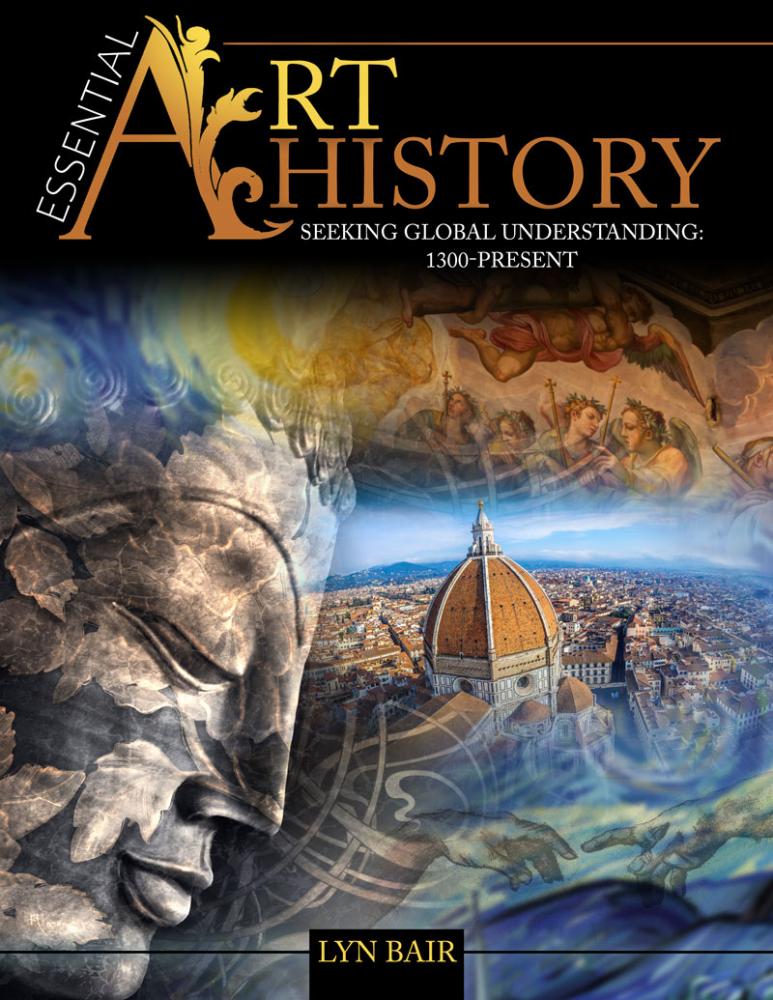
Essential Art History: Seeking Global Understanding: 1300–Present is designed to introduce students to art history without trying to replace comprehensive textbooks. Instead of focusing on memorizing facts, it encourages students to develop a deeper, more global understanding of art by using reliable online resources, museum collections, and classroom discussions.
The text explains that art history is a relatively young academic discipline that grew from the writings of early scholars such as Giorgio Vasari, Leon Battista Alberti, and Johannes Winckelmann. Today, art historians combine methods from many fields to study how art reflects historical events, cultures, and human experiences.
Art historians analyze artworks by asking questions about their appearance, materials, techniques, style, symbolism, purpose, and historical context. They also interpret the meanings and stories behind artworks and consider how they relate to the time and culture in which they were created.
Students are encouraged to become active observers by carefully examining artworks, learning art vocabulary, understanding historical context, comparing traditional and innovative works, and critically analyzing each piece to develop informed interpretations rather than simply collecting information.
INTRODUCTION
1. ART ELEMENTS
a. ART HISTORY
i. Historical Setting
ii. Key Terminology
iii. Subject
iv. Art History Theory
b. HISTORY
i. Time Periods
c. LOCATIONS
2. LATE MIDDLE AGES
a. OVERVIEW
i. Africa
ii. Asia
iii. Australia
iv. Europe
v. North America
vi. South America
b. LATE MIDDLE AGES
i. Europe
ii. Asia
3. 15TH CENTURY EUROPE
a. NORTHERN EUROPE
b. QUATTROCENTO ITALY
4. END OF AN ERA: ART AT THE TURN OF CENTURY
a. GERMAN RENAISSANCE
b. HIGH RENAISSANCE IN ITALY
5. EARLY MODERN ART (1450–1750)
a. AFRICA
b. ASIA
c. AUSTRALIA
d. NORTH AMERICA
e. SOUTH AMERICA
6. 16TH CENTURY EUROPE
a. ITALY
b. SPAIN
c. NORTHERN EUROPE
7. 17TH CENTURY EUROPE
a. ITALY
b. SPAIN
c. FLANDERS
d. HOLLAND
e. FRANCE
f. ENGLAND
8. 18TH CENTURY EUROPE
a. ROCOCO
i. France
ii. Germany
iii. Italy
iv. Spain
b. GEORGIAN
c. NEOCLASSICAL
i. France
ii. Italy
9. MODERN ERA ART
a. AFRICA
b. ASIA
i. South Asia and Southeast Asia
ii. East Asia
c. AUSTRALIA & PACIFIC
d. EUROPE & NORTH AMERICA: ISMS
i. Romanticism
ii. Realism
iii. Photography
10. TRANSITIONS AND NEW EXPRESSIONS
a. IMPRESSIONISM
b. POST-IMPRESSIONISM
c. FAUVES
d. EXPRESSIONISM
e. CUBISM
11. ABSTRACTION AND POPULAR CULTURE
a. DADA AND SURREALISM
b. NORTH AMERICA
c. MEXICAN MURALS
d. AMERICAN NEW DEAL
12. STYLES AND TRENDS
a. DE STUL
b. ABSTRACT EXPRESSIONISM
c. POP ART
d. OP, COLOR FIELD, AND MINIMAL ART
e. PHOTOREALISM AND CONCEPTUAL ART
13. GLOBAL CONTEMPORARY ART

University Lecturer in Visual Arts at Colorado Mesa University
Essential Art History: Seeking Global Understanding: 1300–Present is designed to introduce students to art history without trying to replace comprehensive textbooks. Instead of focusing on memorizing facts, it encourages students to develop a deeper, more global understanding of art by using reliable online resources, museum collections, and classroom discussions.
The text explains that art history is a relatively young academic discipline that grew from the writings of early scholars such as Giorgio Vasari, Leon Battista Alberti, and Johannes Winckelmann. Today, art historians combine methods from many fields to study how art reflects historical events, cultures, and human experiences.
Art historians analyze artworks by asking questions about their appearance, materials, techniques, style, symbolism, purpose, and historical context. They also interpret the meanings and stories behind artworks and consider how they relate to the time and culture in which they were created.
Students are encouraged to become active observers by carefully examining artworks, learning art vocabulary, understanding historical context, comparing traditional and innovative works, and critically analyzing each piece to develop informed interpretations rather than simply collecting information.
INTRODUCTION
1. ART ELEMENTS
a. ART HISTORY
i. Historical Setting
ii. Key Terminology
iii. Subject
iv. Art History Theory
b. HISTORY
i. Time Periods
c. LOCATIONS
2. LATE MIDDLE AGES
a. OVERVIEW
i. Africa
ii. Asia
iii. Australia
iv. Europe
v. North America
vi. South America
b. LATE MIDDLE AGES
i. Europe
ii. Asia
3. 15TH CENTURY EUROPE
a. NORTHERN EUROPE
b. QUATTROCENTO ITALY
4. END OF AN ERA: ART AT THE TURN OF CENTURY
a. GERMAN RENAISSANCE
b. HIGH RENAISSANCE IN ITALY
5. EARLY MODERN ART (1450–1750)
a. AFRICA
b. ASIA
c. AUSTRALIA
d. NORTH AMERICA
e. SOUTH AMERICA
6. 16TH CENTURY EUROPE
a. ITALY
b. SPAIN
c. NORTHERN EUROPE
7. 17TH CENTURY EUROPE
a. ITALY
b. SPAIN
c. FLANDERS
d. HOLLAND
e. FRANCE
f. ENGLAND
8. 18TH CENTURY EUROPE
a. ROCOCO
i. France
ii. Germany
iii. Italy
iv. Spain
b. GEORGIAN
c. NEOCLASSICAL
i. France
ii. Italy
9. MODERN ERA ART
a. AFRICA
b. ASIA
i. South Asia and Southeast Asia
ii. East Asia
c. AUSTRALIA & PACIFIC
d. EUROPE & NORTH AMERICA: ISMS
i. Romanticism
ii. Realism
iii. Photography
10. TRANSITIONS AND NEW EXPRESSIONS
a. IMPRESSIONISM
b. POST-IMPRESSIONISM
c. FAUVES
d. EXPRESSIONISM
e. CUBISM
11. ABSTRACTION AND POPULAR CULTURE
a. DADA AND SURREALISM
b. NORTH AMERICA
c. MEXICAN MURALS
d. AMERICAN NEW DEAL
12. STYLES AND TRENDS
a. DE STUL
b. ABSTRACT EXPRESSIONISM
c. POP ART
d. OP, COLOR FIELD, AND MINIMAL ART
e. PHOTOREALISM AND CONCEPTUAL ART
13. GLOBAL CONTEMPORARY ART
University Lecturer in Visual Arts at Colorado Mesa University