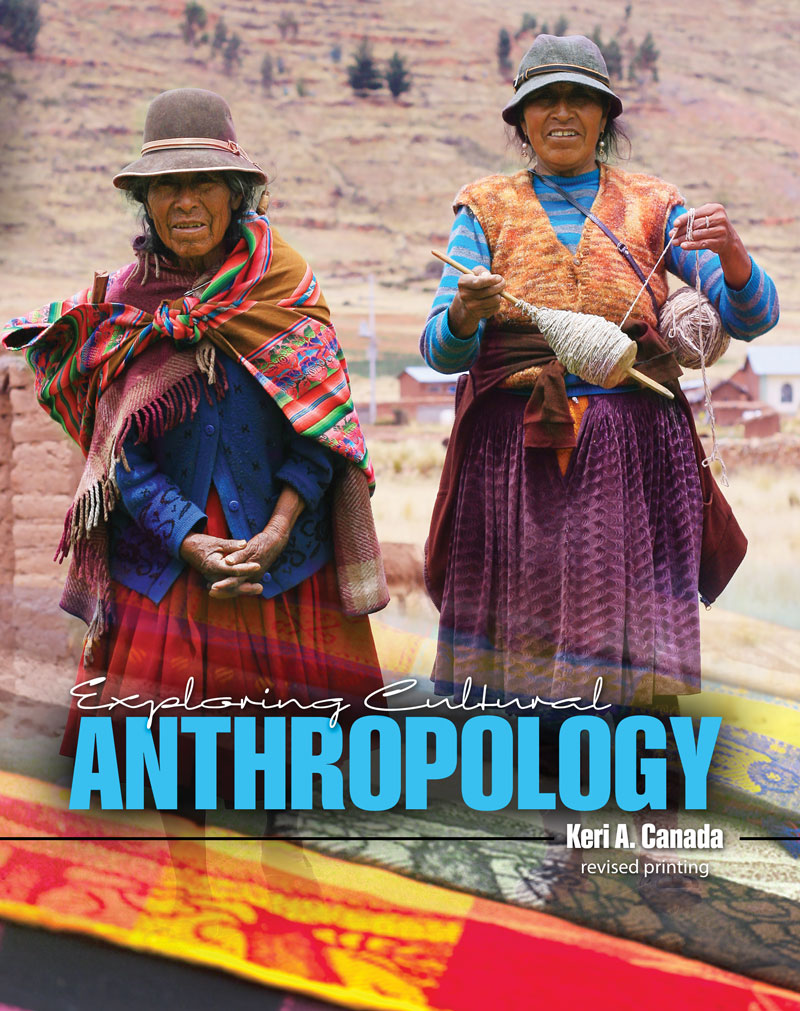
Exploring Cultural Anthropology
Edition: 1
Copyright: 2014
Pages: 154
Choose Your Format
$76.41 USD
This reader is a collection of articles – some contemporary, some classic – that are well-suited for an introductory cultural anthropology class. A short introduction to the main ideas accompanies each article, along with five discussion or study questions to help students reflect on the reading. The book covers a wide range of topics, helping students to analyze unique aspects of a variety of cultures in a holistic manner.
1. Body Ritual among the Nacirema
Horace Miner (American Anthropologist, 1956)
2. Undergraduates Deserve Methods Too: Using a Research Laboratory Model to
Engage Students in Cognitive Anthropological Research
H. J. François Dengah II and Erica Hawvermale, Essa Temple, Mckayla Montierth,
Talon Dutson, Tyler Young, Elizabeth Thomas, Kirsti Patterson, Abigail Bentley, and
David Tauber (American Anthropologist, 2016)
3. What Words Bring to the Table: The Linguistic Anthropological Toolkit as
Applied to the Study of Food
Jillian R. Cavanaugh et al. (American Anthropologist, 2014)
4. Making Immigrants Illegal in Small-Town USA
Hilary Parsons Dick (Journal of Linguistic Anthropology, 2011)
5. “Better to Be Hot than Caught”: Excavating the Confl icting Roles of Migrant Material Culture
Jason De León (American Anthropologist, 2012)
6. The Worst Mistake in the History of the Human Race
Jared Diamond (Discover Magazine, 1987)
7. The End of Gender?
Linton Weeks (NPR.org, 2011)
8. Child Survival in Community Contexts
Nancy Andes (Central Issues in Anthropology, 1992)
9. Blood and Desire: The Secret of Heteronormativity in Adoption Narratives of Culture
Sara Dorow and Amy Swiffen (American Anthropologist)
10. Links Between Religion and Morality in Early Culture
Elsie Clews Parsons (American Anthropologist, 1915)
11. Excerpts from Sexual Risk-Taking and Health-Seeking Behavior in Orange County Adults:
A Survey of Potential Influences
Keri Canada (2008)
12. Trauma and Tattoo
Judith Holland Sarnecki (Anthropology of Consciousness, 2001)
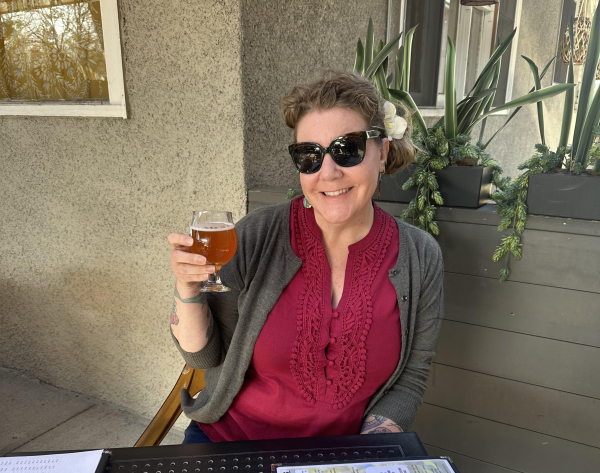
Keri Canada is an anthropology professor and Academic Support Coordinator at Colorado State University. She earned bachelor's and master's degrees in anthropology from California State University, Fullerton, completed Ph.D. coursework in anthropology, and holds a graduate certificate in Student Affairs Administration. She has taught anthropology at several universities and community colleges since before joining CSU in 2013.
Her research focuses on medical anthropology, particularly human sexual and reproductive health and how patients make healthcare decisions. She has published books and articles in anthropology, including Exploring Cultural Anthropology. She teaches courses on anthropology, culture, sex and reproduction, and brewing traditions.
Keri encourages students to participate in internships, field schools, and study abroad programs to better understand cultural diversity. Outside of work, she enjoys reading, writing, traveling, and spending time outdoors with family, friends, and her dogs.
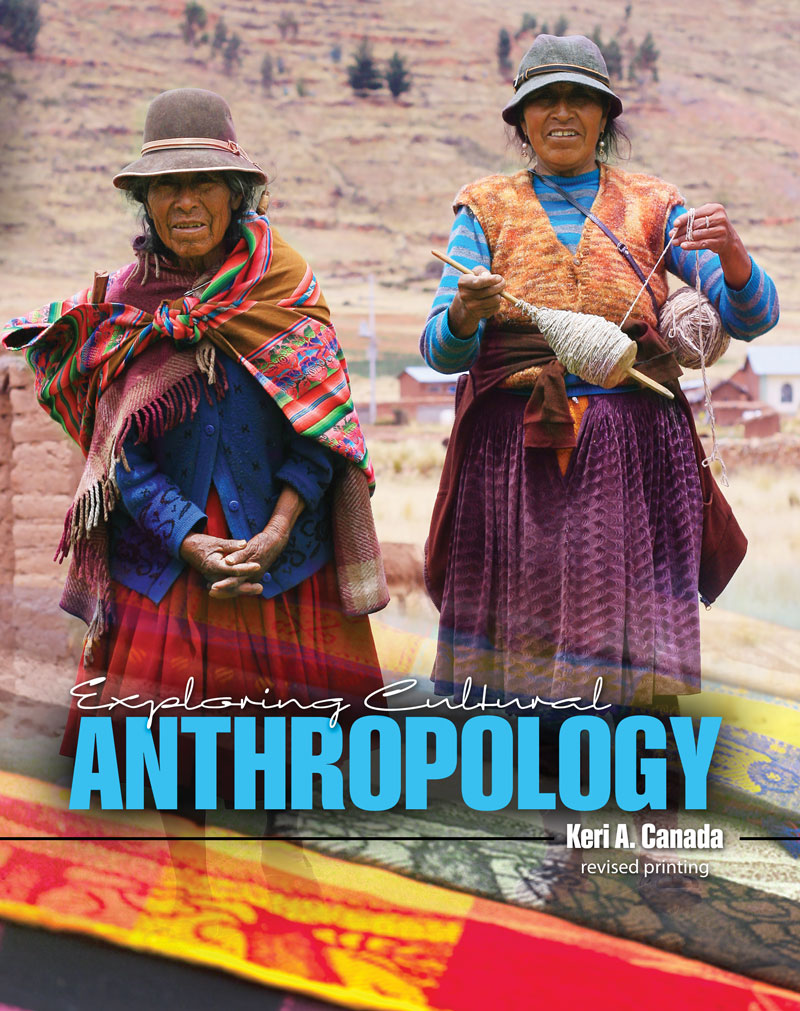
This reader is a collection of articles – some contemporary, some classic – that are well-suited for an introductory cultural anthropology class. A short introduction to the main ideas accompanies each article, along with five discussion or study questions to help students reflect on the reading. The book covers a wide range of topics, helping students to analyze unique aspects of a variety of cultures in a holistic manner.
1. Body Ritual among the Nacirema
Horace Miner (American Anthropologist, 1956)
2. Undergraduates Deserve Methods Too: Using a Research Laboratory Model to
Engage Students in Cognitive Anthropological Research
H. J. François Dengah II and Erica Hawvermale, Essa Temple, Mckayla Montierth,
Talon Dutson, Tyler Young, Elizabeth Thomas, Kirsti Patterson, Abigail Bentley, and
David Tauber (American Anthropologist, 2016)
3. What Words Bring to the Table: The Linguistic Anthropological Toolkit as
Applied to the Study of Food
Jillian R. Cavanaugh et al. (American Anthropologist, 2014)
4. Making Immigrants Illegal in Small-Town USA
Hilary Parsons Dick (Journal of Linguistic Anthropology, 2011)
5. “Better to Be Hot than Caught”: Excavating the Confl icting Roles of Migrant Material Culture
Jason De León (American Anthropologist, 2012)
6. The Worst Mistake in the History of the Human Race
Jared Diamond (Discover Magazine, 1987)
7. The End of Gender?
Linton Weeks (NPR.org, 2011)
8. Child Survival in Community Contexts
Nancy Andes (Central Issues in Anthropology, 1992)
9. Blood and Desire: The Secret of Heteronormativity in Adoption Narratives of Culture
Sara Dorow and Amy Swiffen (American Anthropologist)
10. Links Between Religion and Morality in Early Culture
Elsie Clews Parsons (American Anthropologist, 1915)
11. Excerpts from Sexual Risk-Taking and Health-Seeking Behavior in Orange County Adults:
A Survey of Potential Influences
Keri Canada (2008)
12. Trauma and Tattoo
Judith Holland Sarnecki (Anthropology of Consciousness, 2001)
Keri Canada is an anthropology professor and Academic Support Coordinator at Colorado State University. She earned bachelor's and master's degrees in anthropology from California State University, Fullerton, completed Ph.D. coursework in anthropology, and holds a graduate certificate in Student Affairs Administration. She has taught anthropology at several universities and community colleges since before joining CSU in 2013.
Her research focuses on medical anthropology, particularly human sexual and reproductive health and how patients make healthcare decisions. She has published books and articles in anthropology, including Exploring Cultural Anthropology. She teaches courses on anthropology, culture, sex and reproduction, and brewing traditions.
Keri encourages students to participate in internships, field schools, and study abroad programs to better understand cultural diversity. Outside of work, she enjoys reading, writing, traveling, and spending time outdoors with family, friends, and her dogs.