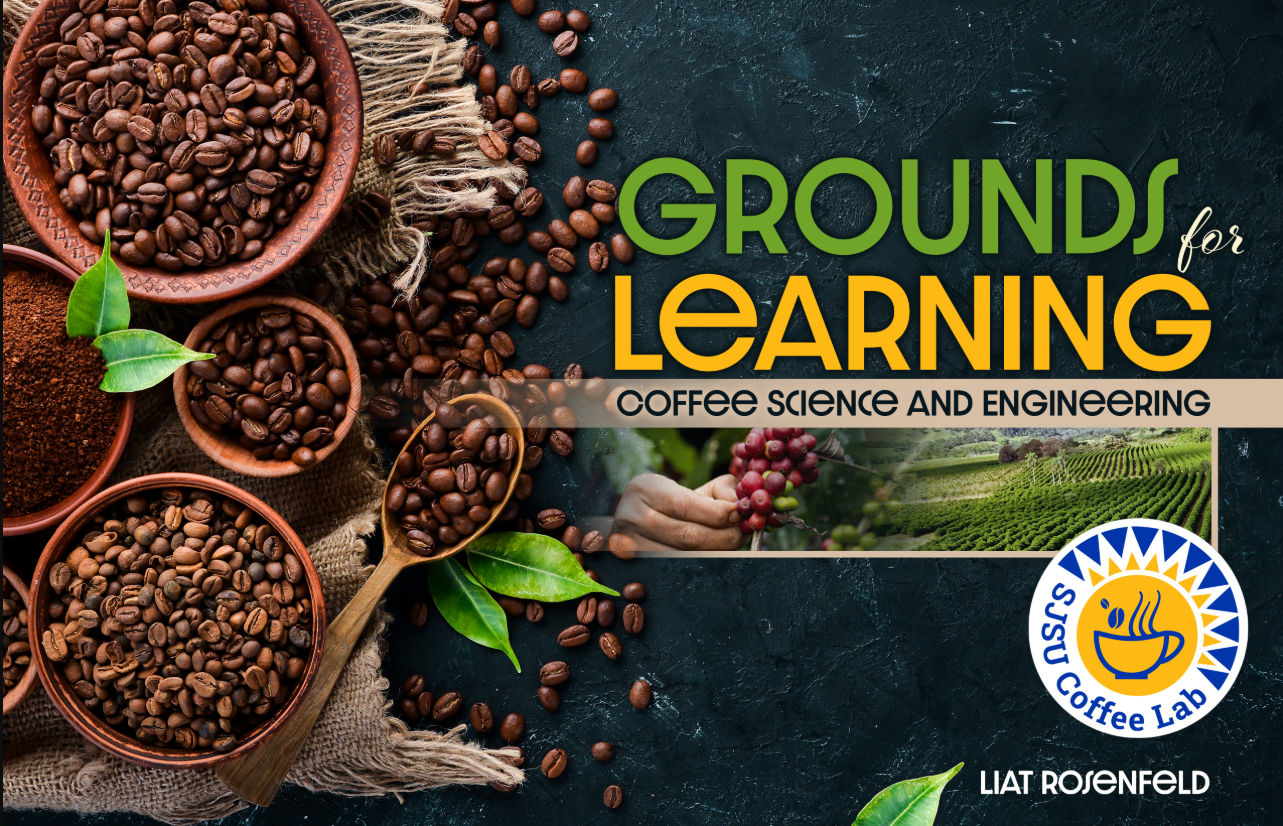
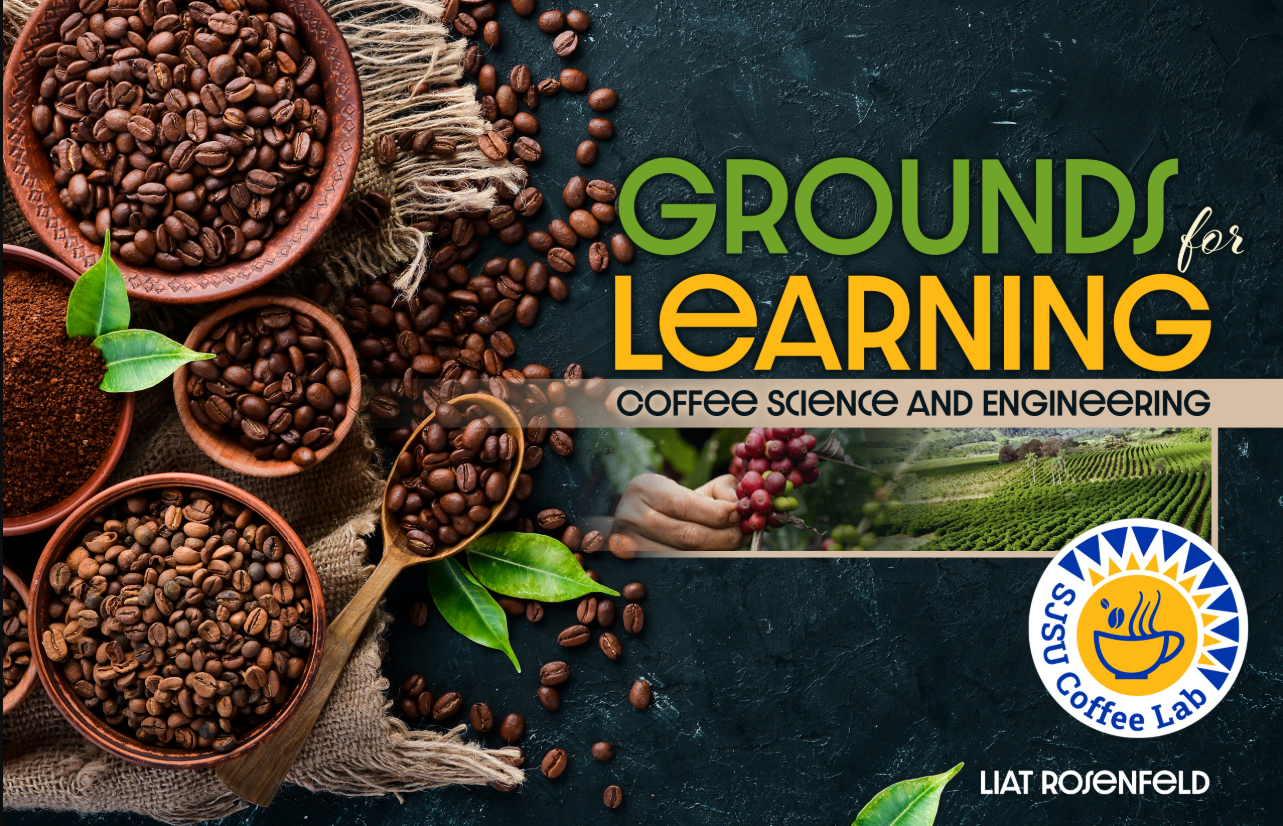
Grounds for Learning: Coffee, Science, and Engineering
Edition: 1
Copyright: 2026
Pages: 190
Choose Your Format
Website
$50.00 USD
Grounds for Learning: Coffee, Science, and Engineering applies science and engineering principles to coffee production, from the coffee cherry through roasting and brewing. It covers sensory evaluation, mass and energy balances, roasting chemistry, extraction, fluid mechanics, filtration, water quality, espresso, instant and decaffeinated coffee, and the pharmacological effects of caffeine. It also examines sustainability in coffee production.
Chapter 1: From Cherry to Cup — Coffee Science and Sensory Evaluation
Chapter 2: Brewing Methods, Process Flow Diagrams, and Mass Balance
Chapter 3: The Chemistry of Roasting
Chapter 4: Energy, Power, and Efficiency in Coffee Production
Chapter 5: Mass Transfer, Extraction, and the Science of Brewing Strength
Chapter 6: Fluid Mechanics and Pressure-Driven Flow
Chapter 7: Coffee as a Colloidal Fluid—Filtration and the Effect on Flavor
Chapter 8: Water Quality and Its Effect on Coffee
Chapter 9: Espresso and Instant Coffee
Chapter 10: Decaffeinated Coffee and the Pharmacological Effects of Coffee
Chapter 11: Coffee and Sustainable Practice
Liat Rosenfeld, Ph.D. is an Associate Professor at San José State University and serves as Program Director for Spartan Spark and Project Engineering Success. She holds a B.Sc., M.Sc., and Ph.D. in Chemical Engineering from the Technion–Israel Institute of Technology and completed postdoctoral research at Stanford University. Her academic work includes fluid dynamics and chemical engineering, and she serves on the editorial board of Physics of Fluids.