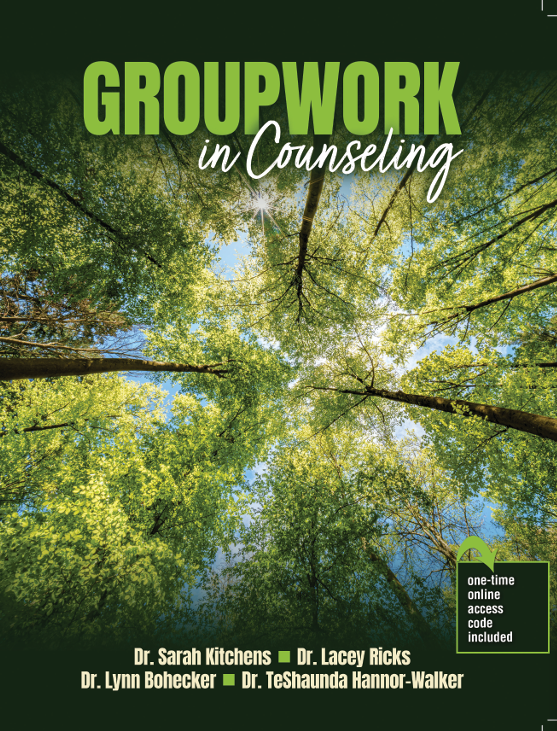
Groupwork in Counseling
Edition: 1
Copyright: 2026
Pages: 360
Edition: 1
Copyright: 2026
Pages: 360
Choose Your Format
Print Package
$75.00 USD
Ebook
$60.00 USD
This book provides a comprehensive introduction to group counseling, covering the foundations, theories, leadership skills, and ethical principles that guide effective groupwork. It examines group development from formation through termination, explores culturally responsive and accountable practice, and presents theory-based approaches to group counseling, including person-centered, cognitive-behavioral, existential, solution-focused, and emotion-focused models. The text also addresses groupwork across the lifespan and its application in school counseling and counselor education, aligning theory with practical strategies for professional practice.
Foreword
CACREP Standards/ASGW Principles
PART I Foundations of Groupwork
Chapter 1 Historical Foundations and Types of Groups
Chapter 2 Group Dynamics and Theory Applications
Chapter 3 Effective Group Leadership
Chapter 4 Yalom Theory of Group Psychotherapy
Chapter 5 Culturally Responsive Groupwork
Chapter 6 Accountability in Groupwork
Chapter 7 Legal and Ethical Issues in Groupwork
PART II The Group Counseling Process
Chapter 8 Forming a Group
Chapter 9 The Transition Stage of Groupwork
Chapter 10 The Working Stage of Groupwork
Chapter 11 The Closing Stage of Groupwork
PART III Groupwork Across the Lifespan
Chapter 12 Groups for Children
Chapter 13 Groups for Adolescents
Chapter 14 Groups for Adults
Chapter 15 Groups for Older Adults
PART IV Theory Specific Group Approaches to Groupwork
Chapter 16 Reality Therapy, Adlerian, and Person-Centered Groups
Chapter 17 Existential, Gestalt, Rational Emotive Behavior Therapy (REBT), and Transactional Analysis (TA)
Chapter 18 Solution-Focused, Narrative Therapy, and Psychodrama Groups
Chapter 19 Emotion-Focused Therapy (EFT) and Eye Movement Desensitization Reprocessing (EMDR) Groups
PART V Groupwork in School Counseling
Chapter 20 Psychoeducation Groups in School Counseling
Chapter 21 Resources for School Counselors
Chapter 22 School-Specific Theory Applications of Groupwork
PART VI Groupwork Application in Counselor Education
Chapter 23 Experiential Groupwork in Counselor Education: A Developmental Praxis Model
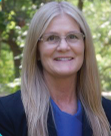
Lynn Bohecker, PhD, LMFT, earned a B.S. in Psychology with a minor in Biology from the University of Wisconsin–Stout, an M.S. in Marriage Couple Child and Family Counseling from California State University Sacramento, and a PhD degree in Counselor Education from Idaho State University. She is a full professor in the Department of Counselor Education and Family Studies at Liberty University and the Senior Editor of the Journal of Faith Integration in Counseling. Dr. Bohecker is also the Chief Executive Officer of The Counseling Center at Tree City, which is a professional counseling center located in a church. Dr. Bohecker has presented at state, regional, national, and international levels. She has over 50 publications in peer-reviewed counseling journals, textbook chapters, and books.

TeShaunda Hannor-Walker, PhD, LPC, NCC, CPCS, is a licensed professional counselor in private practice in the state of Georgia, associate professor, researcher, former school counselor and director of guidance and counseling for 15 years, and author of How to Raise a Successful Child with ADD along with several peer-reviewed publications and textbook chapters. She was named American School Counselor Association’s (ASCA) “Top Ten School Counselors in America.” She enjoys working with couples in marriage and family counseling, traveling around the world, and leading research teams with a special interest in research in African and Asian countries. She regularly presents at local, national, and international conferences on topics related to Christianity, counseling, trauma, poverty, colorism, digital addictions, the commercial sexual exploitation of children (CSEC), ADHD, and more. She is blissfully married to Jacque and the proud mother of one adult daughter, Justice. Learn more here: www.drhannorwalker.com
Lacy Ricks, Ph.D. is a Core Faculty member in School Counseling at Liberty University. She earned her Ph.D. from Auburn University, M.Ed. from Georgia Southern University, Ed.S. from Valdosta State University, and B.S. from Georgia Southern University. A licensed school counselor and National Certified Counselor, Dr. Ricks has experience as a middle and high school counselor, career and college coach, and counselor educator. Her research and professional interests include poverty, diversity, advocacy, Narrative Therapy, cross-cultural counseling, disabilities, and digital addiction, with publications and presentations at state, national, and international levels.
Sarah Kitchens, Ph.D. is a Professor and Core Faculty member in School Counseling at Liberty University. She earned her Ph.D. in Counselor Education and Supervision from Auburn University, M.S. in Counseling and Psychology–School Counseling from Troy University, and B.S. in General Studies with Elementary Licensure from Liberty University. A Licensed Professional Counselor, National Certified Counselor, and certified K–12 school counselor, Dr. Kitchens has experience as a professional school counselor in both public and private school settings and as a private practice counselor serving individuals, families, and couples. Her professional interests include school counseling, counseling supervision, creative counseling approaches, and counselor education, with numerous publications and presentations at state, regional, and national levels.
This book provides a comprehensive introduction to group counseling, covering the foundations, theories, leadership skills, and ethical principles that guide effective groupwork. It examines group development from formation through termination, explores culturally responsive and accountable practice, and presents theory-based approaches to group counseling, including person-centered, cognitive-behavioral, existential, solution-focused, and emotion-focused models. The text also addresses groupwork across the lifespan and its application in school counseling and counselor education, aligning theory with practical strategies for professional practice.
Foreword
CACREP Standards/ASGW Principles
PART I Foundations of Groupwork
Chapter 1 Historical Foundations and Types of Groups
Chapter 2 Group Dynamics and Theory Applications
Chapter 3 Effective Group Leadership
Chapter 4 Yalom Theory of Group Psychotherapy
Chapter 5 Culturally Responsive Groupwork
Chapter 6 Accountability in Groupwork
Chapter 7 Legal and Ethical Issues in Groupwork
PART II The Group Counseling Process
Chapter 8 Forming a Group
Chapter 9 The Transition Stage of Groupwork
Chapter 10 The Working Stage of Groupwork
Chapter 11 The Closing Stage of Groupwork
PART III Groupwork Across the Lifespan
Chapter 12 Groups for Children
Chapter 13 Groups for Adolescents
Chapter 14 Groups for Adults
Chapter 15 Groups for Older Adults
PART IV Theory Specific Group Approaches to Groupwork
Chapter 16 Reality Therapy, Adlerian, and Person-Centered Groups
Chapter 17 Existential, Gestalt, Rational Emotive Behavior Therapy (REBT), and Transactional Analysis (TA)
Chapter 18 Solution-Focused, Narrative Therapy, and Psychodrama Groups
Chapter 19 Emotion-Focused Therapy (EFT) and Eye Movement Desensitization Reprocessing (EMDR) Groups
PART V Groupwork in School Counseling
Chapter 20 Psychoeducation Groups in School Counseling
Chapter 21 Resources for School Counselors
Chapter 22 School-Specific Theory Applications of Groupwork
PART VI Groupwork Application in Counselor Education
Chapter 23 Experiential Groupwork in Counselor Education: A Developmental Praxis Model
Lynn Bohecker, PhD, LMFT, earned a B.S. in Psychology with a minor in Biology from the University of Wisconsin–Stout, an M.S. in Marriage Couple Child and Family Counseling from California State University Sacramento, and a PhD degree in Counselor Education from Idaho State University. She is a full professor in the Department of Counselor Education and Family Studies at Liberty University and the Senior Editor of the Journal of Faith Integration in Counseling. Dr. Bohecker is also the Chief Executive Officer of The Counseling Center at Tree City, which is a professional counseling center located in a church. Dr. Bohecker has presented at state, regional, national, and international levels. She has over 50 publications in peer-reviewed counseling journals, textbook chapters, and books.
TeShaunda Hannor-Walker, PhD, LPC, NCC, CPCS, is a licensed professional counselor in private practice in the state of Georgia, associate professor, researcher, former school counselor and director of guidance and counseling for 15 years, and author of How to Raise a Successful Child with ADD along with several peer-reviewed publications and textbook chapters. She was named American School Counselor Association’s (ASCA) “Top Ten School Counselors in America.” She enjoys working with couples in marriage and family counseling, traveling around the world, and leading research teams with a special interest in research in African and Asian countries. She regularly presents at local, national, and international conferences on topics related to Christianity, counseling, trauma, poverty, colorism, digital addictions, the commercial sexual exploitation of children (CSEC), ADHD, and more. She is blissfully married to Jacque and the proud mother of one adult daughter, Justice. Learn more here: www.drhannorwalker.com
Lacy Ricks, Ph.D. is a Core Faculty member in School Counseling at Liberty University. She earned her Ph.D. from Auburn University, M.Ed. from Georgia Southern University, Ed.S. from Valdosta State University, and B.S. from Georgia Southern University. A licensed school counselor and National Certified Counselor, Dr. Ricks has experience as a middle and high school counselor, career and college coach, and counselor educator. Her research and professional interests include poverty, diversity, advocacy, Narrative Therapy, cross-cultural counseling, disabilities, and digital addiction, with publications and presentations at state, national, and international levels.
Sarah Kitchens, Ph.D. is a Professor and Core Faculty member in School Counseling at Liberty University. She earned her Ph.D. in Counselor Education and Supervision from Auburn University, M.S. in Counseling and Psychology–School Counseling from Troy University, and B.S. in General Studies with Elementary Licensure from Liberty University. A Licensed Professional Counselor, National Certified Counselor, and certified K–12 school counselor, Dr. Kitchens has experience as a professional school counselor in both public and private school settings and as a private practice counselor serving individuals, families, and couples. Her professional interests include school counseling, counseling supervision, creative counseling approaches, and counselor education, with numerous publications and presentations at state, regional, and national levels.