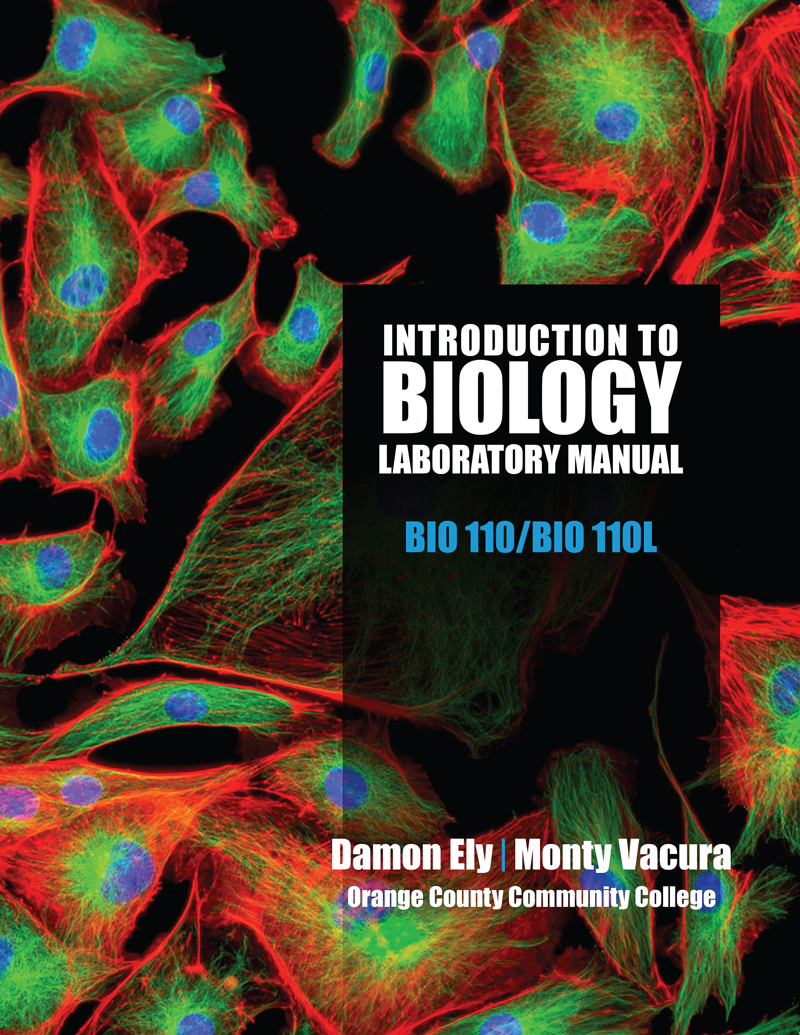
Introduction to Biology Laboratory Manual: BIO 110/BIO 110L
Edition: 1
Copyright: 2019
Pages: 234
Edition: 1
Copyright: 2019
Pages: 234
Choose Your Format
$60.78 USD
Ebook
$48.63 USD
The Introduction to Biology Laboratory Manual by Ely and Vacura was created for first-year biology students to help them gain fundamental laboratory skills. The investigations and activities encompass a broad range of topics including the metric system and measurement, microscopy, human organ systems, cell division, basic cell physiology, and patterns of inheritance. The laboratory exercises are intended to strengthen students' understanding of the material covered in their lecture course.
Each chapter guides students through a subject with clear explanations, helpful diagrams, and easy to follow instructions. Learning objectives are summarized at the beginning of each chapter to provide clear goals and to reinforce key concepts. Each chapter is divided into more specific sections that include activities, investigations, and review questions to focus students' understanding of discrete topics.
Introduction
Laboratory Safety Procedures
Chapter 1. The Scientific Method and Experimentation
Chapter 2. The Metric System, Measurement, and Graph Analysis
Chapter 3. Atoms, Molecules, Acids, and Bases
Chapter 4. Factors That Affect Enzyme Activity
Chapter 5. The Compound Microscope
Chapter 6. Cell Structure and Function
Chapter 7. Cell Transport: Simple Diffusion and Osmosis
Chapter 8. The Cardiovascular System
Chapter 9. The Respiratory System
Chapter 10. The Digestive System
Chapter 11. The Urinary System
Chapter 12. Nervous and Sensory Systems
Chapter 13. Dissection of the Frog
Chapter 14. DNA Biology
Chapter 15. Mitosis
Chapter 16. Meiosis
Chapter 17. Reproduction and Early Embryonic Development
Chapter 18. Patterns of Inheritance: Mendelian Genetics and Beyond
Laboratory Glossary
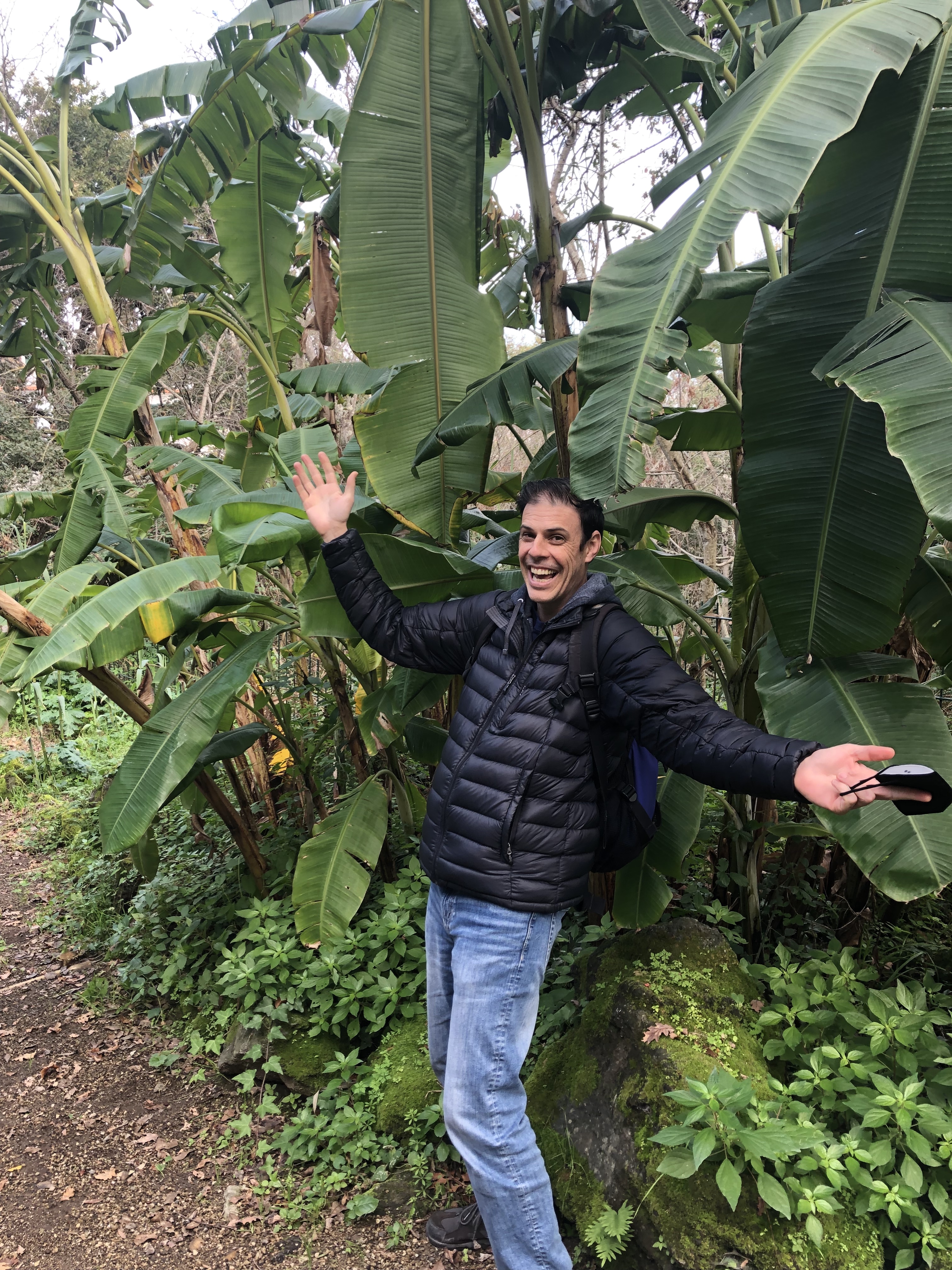
Hello, I'm Dr. Damon Ely and I've been a member of the Biology department at SUNY Orange since 2010. My fascination with the environment began in my home state of Maine, where I endlessly explored the many forests, fields, streams, and shores right outside my door. I've always found the ability of organisms to change in ways that ensure their survival and success in such diverse landscapes a true wonder of the natural world.
After earning my BS in Biology at the University of Maine, I studied the effects of disturbance and ecological succession on the secondary production of macroinvertebrates in headwater streams in the Appalachians, earning my MS in Entomology at the University of Georgia. For my PhD research at Virginia Tech, I asked how the legacy of acid rain deposition affects biogeochemical cycling and nitrogen processing in the streams of Shenandoah National Park.
I continue to enjoy teaching and interacting with my SUNY Orange students each day. Please feel free to contact me if you have any questions about the classes we offer, or if you are interested in learning more about a career in biology.
Hi, my name is Monty Vacura. I teach Introduction to Biology, General Biology I & II, and General Botany here at Orange County Community College. Before SUNY Orange, I received my M.S. in Biology at Fort Hays State University in the year 2000. After receiving my degree, I taught Chemistry and Biology at a secondary school in Ghana, W. Africa serving as a Peace Corps Volunteer (2000-2002). During my stay I was enstooled as an Honorary Chief to the small African village of Abutia where I lived for the two years. My Chief name of Abutia is Togbe Dezor I, which means "Chief of Advancement". In the spring of 2003 I started here at SUNY Orange.
The Introduction to Biology Laboratory Manual by Ely and Vacura was created for first-year biology students to help them gain fundamental laboratory skills. The investigations and activities encompass a broad range of topics including the metric system and measurement, microscopy, human organ systems, cell division, basic cell physiology, and patterns of inheritance. The laboratory exercises are intended to strengthen students' understanding of the material covered in their lecture course.
Each chapter guides students through a subject with clear explanations, helpful diagrams, and easy to follow instructions. Learning objectives are summarized at the beginning of each chapter to provide clear goals and to reinforce key concepts. Each chapter is divided into more specific sections that include activities, investigations, and review questions to focus students' understanding of discrete topics.
Introduction
Laboratory Safety Procedures
Chapter 1. The Scientific Method and Experimentation
Chapter 2. The Metric System, Measurement, and Graph Analysis
Chapter 3. Atoms, Molecules, Acids, and Bases
Chapter 4. Factors That Affect Enzyme Activity
Chapter 5. The Compound Microscope
Chapter 6. Cell Structure and Function
Chapter 7. Cell Transport: Simple Diffusion and Osmosis
Chapter 8. The Cardiovascular System
Chapter 9. The Respiratory System
Chapter 10. The Digestive System
Chapter 11. The Urinary System
Chapter 12. Nervous and Sensory Systems
Chapter 13. Dissection of the Frog
Chapter 14. DNA Biology
Chapter 15. Mitosis
Chapter 16. Meiosis
Chapter 17. Reproduction and Early Embryonic Development
Chapter 18. Patterns of Inheritance: Mendelian Genetics and Beyond
Laboratory Glossary
Hello, I'm Dr. Damon Ely and I've been a member of the Biology department at SUNY Orange since 2010. My fascination with the environment began in my home state of Maine, where I endlessly explored the many forests, fields, streams, and shores right outside my door. I've always found the ability of organisms to change in ways that ensure their survival and success in such diverse landscapes a true wonder of the natural world.
After earning my BS in Biology at the University of Maine, I studied the effects of disturbance and ecological succession on the secondary production of macroinvertebrates in headwater streams in the Appalachians, earning my MS in Entomology at the University of Georgia. For my PhD research at Virginia Tech, I asked how the legacy of acid rain deposition affects biogeochemical cycling and nitrogen processing in the streams of Shenandoah National Park.
I continue to enjoy teaching and interacting with my SUNY Orange students each day. Please feel free to contact me if you have any questions about the classes we offer, or if you are interested in learning more about a career in biology.
Hi, my name is Monty Vacura. I teach Introduction to Biology, General Biology I & II, and General Botany here at Orange County Community College. Before SUNY Orange, I received my M.S. in Biology at Fort Hays State University in the year 2000. After receiving my degree, I taught Chemistry and Biology at a secondary school in Ghana, W. Africa serving as a Peace Corps Volunteer (2000-2002). During my stay I was enstooled as an Honorary Chief to the small African village of Abutia where I lived for the two years. My Chief name of Abutia is Togbe Dezor I, which means "Chief of Advancement". In the spring of 2003 I started here at SUNY Orange.