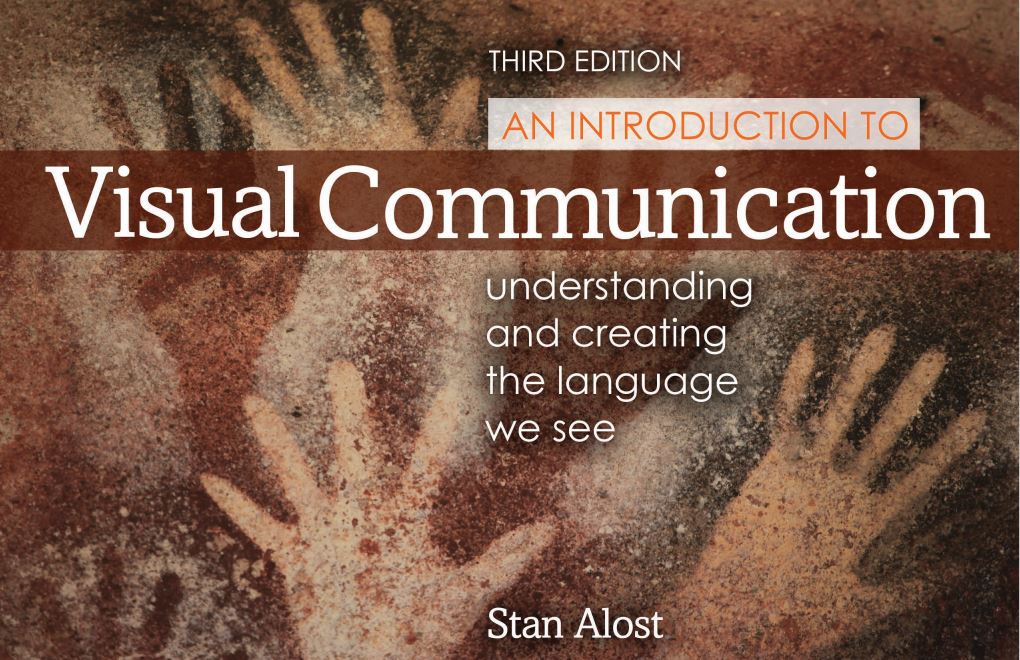
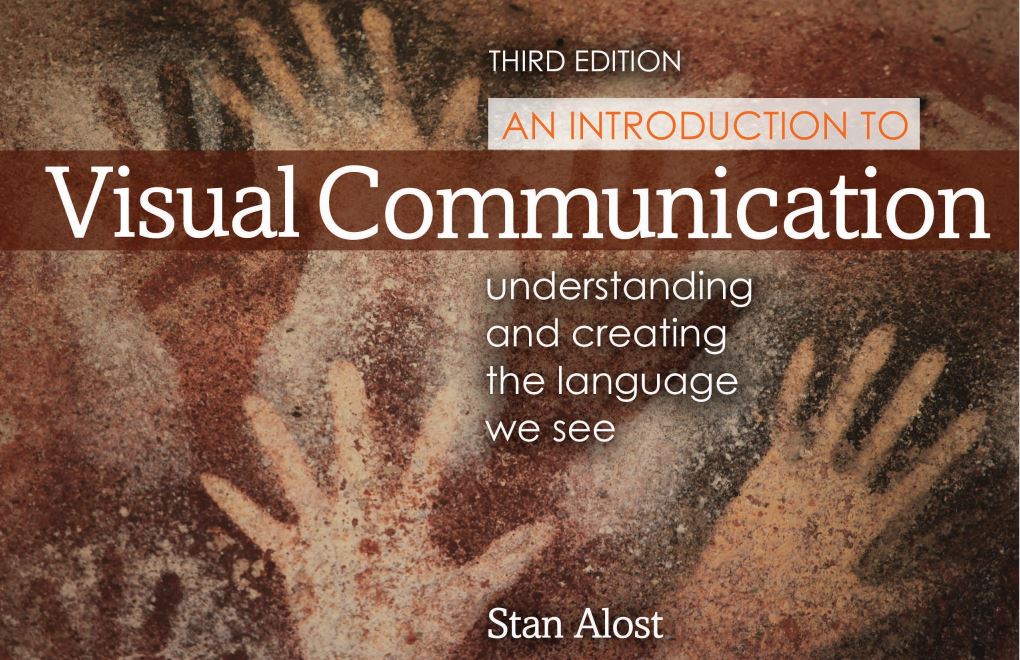
An Introduction to Visual Communication: Understanding and Creating the Language We See
Edition: 3
Copyright: 2025
Choose Your Format
Website
$84.00 USD
There are numerous textbooks about visual communication. Most of those books are written from a theoretical perspective, attempting to teach a foundation for analyzing visual messages from an academic mindset. Others are couched in an art perspective with an emphasis on the analysis of expression and the deep study of aesthetics. Both approaches have their value and proponents. An Introduction to Visual Communication approaches the topic from a communication industry perspective. It seeks to answer the questions of what is visual language and how do we use it? Answering these questions can help you understand the visual language you see, and begin to develop the skills to build more effective communication. Whether you are interested in a career in the communication field as a designer, photographer, videographer, data visualization expert, or just planning to live and work in the 21st century, understanding how visual language works can help you achieve your goals.
Acknowledgements
Introduction
Chapter 1: Overview
Sources to explore
Exercise
Chapter 2: Light
Sources to explore
Exercise
Chapter 3: Color
Sources to explore
Exercise
Chapter 4: Our eyes
Sources to explore
Exercise
Chapter 5: The visual brain
Sources to explore
Exercise
Chapter 6: What the brain sees
Sources to explore
Exercise
Chapter 7: Visual theories based on the senses
Sources to explore
Exercise
Chapter 8: Visual theories based on perception
Sources to explore
Exercise
Chapter 9: Visual structure
Exercise
Chapter 10: Where does pretty come from? Aesthetics and US culture
Sources to explore
Exercise
Chapter 11: Aesthetics in other cultures
Sources to explore
Exercise
Chapter 12: Major turning point, the Renaissance
Sources to explore
Exercise
Chapter 13: Neoclassicism, Impressionism, and Beyond
Sources to explore
Exercise
Chapter 14: Design grids and non-grids
Sources to explore
Exercise
Chapter 15: Building blocks of design
Sources to explore
Exercise
Chapter 16: Building blocks of typography
Sources to explore
Exercise
Chapter 17: Building blocks of photography composition
Sources to explore
Exercise
Chapter 18: Building blocks of motion images
Sources to explore
Exercise
Chapter 19: Data visualization
Sources to explore
Exercise
Chapter 20: Design
Sources to explore
Exercise
Chapter 21: Invention of Photography
Sources to explore
Exercise
Chapter 22: How we use photography in communication
Sources to explore
Exercise
Chapter 23: The ethics of how create photographs for visual communication
Sources to explore
Exercise
Chapter 24: Animation
Sources to explore
Exercise
Chapter 25: Motion pictures
Sources to explore
Exercise
Chapter 26: What is next
Sources to explore
Exercise

Stan Alost is a photojournalist, visual communication educator, and author with more than 20 years of professional experience in newspapers, wire services, and freelance journalism. He earned a bachelor's degree in Mass Communication from Louisiana State University and a Master of Science from Ohio University. His work has appeared in books and publications including Life, Ohio 24/7, Newsphotographer, and Stern, and he has co-authored research published in the Newspaper Research Journal. He is also the author of An Introduction to Visual Communication: Understanding the Language We See and a contributor to The Scripps School: Its Stories, People, and Legacy.
At Ohio University, Alost has mentored students in producing award-winning books, documentaries, and multimedia projects, including the annual Soul of Athens project. He has helped guide numerous students to national and international honors, including Fulbright scholarships and major photography awards. A recipient of Ohio University's University Professor Award and a member of the Bruning Teaching Academy, his teaching and research focus on visual communication, photojournalism, communication design, leadership, and the application of emerging technologies to mass communication.
There are numerous textbooks about visual communication. Most of those books are written from a theoretical perspective, attempting to teach a foundation for analyzing visual messages from an academic mindset. Others are couched in an art perspective with an emphasis on the analysis of expression and the deep study of aesthetics. Both approaches have their value and proponents. An Introduction to Visual Communication approaches the topic from a communication industry perspective. It seeks to answer the questions of what is visual language and how do we use it? Answering these questions can help you understand the visual language you see, and begin to develop the skills to build more effective communication. Whether you are interested in a career in the communication field as a designer, photographer, videographer, data visualization expert, or just planning to live and work in the 21st century, understanding how visual language works can help you achieve your goals.
Acknowledgements
Introduction
Chapter 1: Overview
Sources to explore
Exercise
Chapter 2: Light
Sources to explore
Exercise
Chapter 3: Color
Sources to explore
Exercise
Chapter 4: Our eyes
Sources to explore
Exercise
Chapter 5: The visual brain
Sources to explore
Exercise
Chapter 6: What the brain sees
Sources to explore
Exercise
Chapter 7: Visual theories based on the senses
Sources to explore
Exercise
Chapter 8: Visual theories based on perception
Sources to explore
Exercise
Chapter 9: Visual structure
Exercise
Chapter 10: Where does pretty come from? Aesthetics and US culture
Sources to explore
Exercise
Chapter 11: Aesthetics in other cultures
Sources to explore
Exercise
Chapter 12: Major turning point, the Renaissance
Sources to explore
Exercise
Chapter 13: Neoclassicism, Impressionism, and Beyond
Sources to explore
Exercise
Chapter 14: Design grids and non-grids
Sources to explore
Exercise
Chapter 15: Building blocks of design
Sources to explore
Exercise
Chapter 16: Building blocks of typography
Sources to explore
Exercise
Chapter 17: Building blocks of photography composition
Sources to explore
Exercise
Chapter 18: Building blocks of motion images
Sources to explore
Exercise
Chapter 19: Data visualization
Sources to explore
Exercise
Chapter 20: Design
Sources to explore
Exercise
Chapter 21: Invention of Photography
Sources to explore
Exercise
Chapter 22: How we use photography in communication
Sources to explore
Exercise
Chapter 23: The ethics of how create photographs for visual communication
Sources to explore
Exercise
Chapter 24: Animation
Sources to explore
Exercise
Chapter 25: Motion pictures
Sources to explore
Exercise
Chapter 26: What is next
Sources to explore
Exercise
Stan Alost is a photojournalist, visual communication educator, and author with more than 20 years of professional experience in newspapers, wire services, and freelance journalism. He earned a bachelor's degree in Mass Communication from Louisiana State University and a Master of Science from Ohio University. His work has appeared in books and publications including Life, Ohio 24/7, Newsphotographer, and Stern, and he has co-authored research published in the Newspaper Research Journal. He is also the author of An Introduction to Visual Communication: Understanding the Language We See and a contributor to The Scripps School: Its Stories, People, and Legacy.
At Ohio University, Alost has mentored students in producing award-winning books, documentaries, and multimedia projects, including the annual Soul of Athens project. He has helped guide numerous students to national and international honors, including Fulbright scholarships and major photography awards. A recipient of Ohio University's University Professor Award and a member of the Bruning Teaching Academy, his teaching and research focus on visual communication, photojournalism, communication design, leadership, and the application of emerging technologies to mass communication.