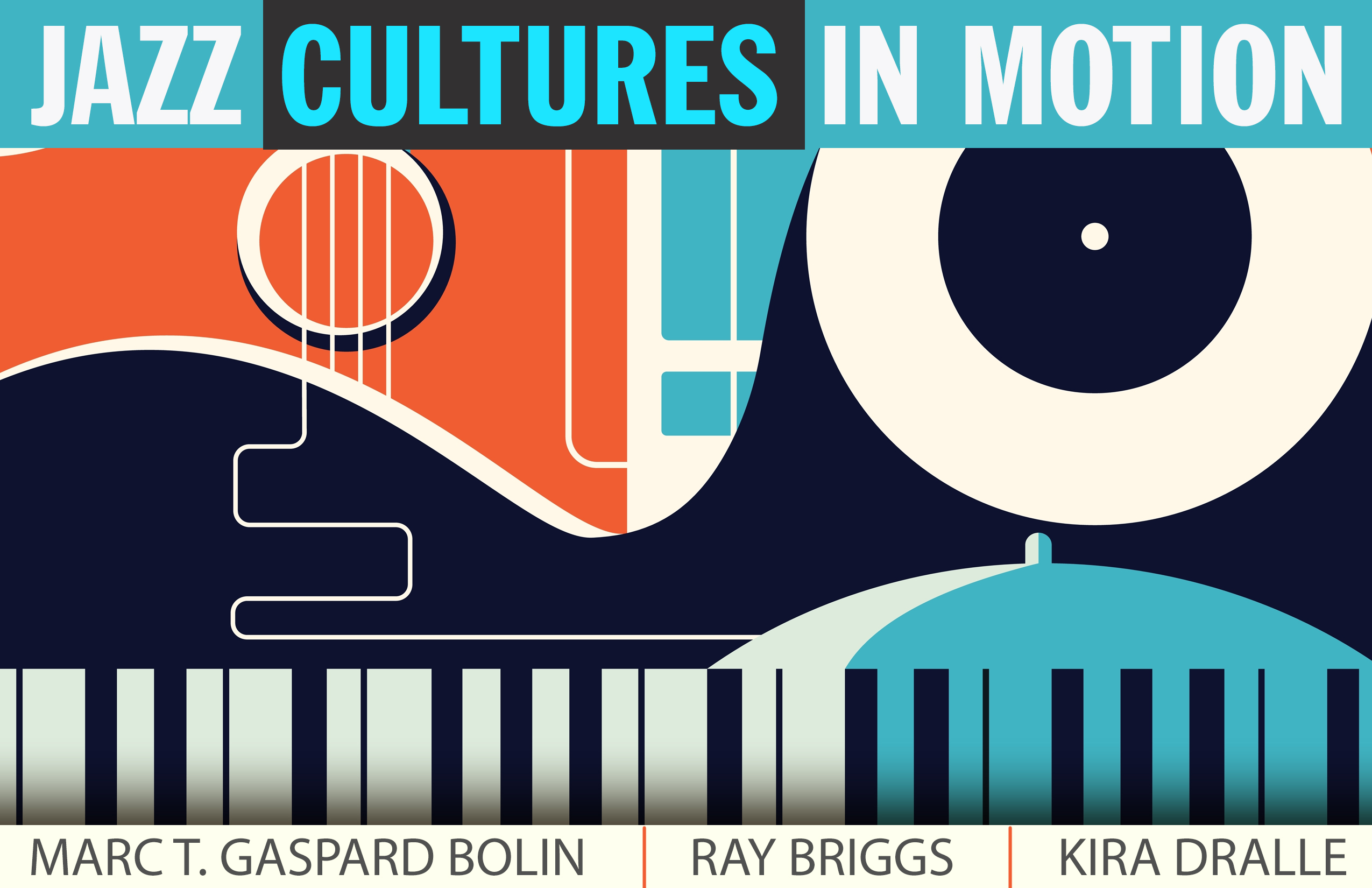
Jazz Cultures in Motion, Volume 1
Edition: 1
Copyright: 2025
Choose Your Format
Website
$80.00 USD
Foundations, Circulation, and Collective Sound (Origins–1940s)
Jazz Cultures in Motion, Volume 1 reorients the study of jazz by grounding its early history in African diasporic and Afro-Indigenous practices, collective sound, and improvisation as lived knowledge. Moving beyond origin myths and linear narratives, the volume situates jazz within systems of enslavement, migration, labor, ritual, and community survival, tracing sacred and secular continuities through blues, ragtime, early jazz, vaudeville, recording industries, and dance cultures. The volume foregrounds women, working musicians, and marginalized communities whose labor shaped jazz’s foundations and early circulations.
Designed as a customizable online course package, Jazz Cultures in Motion, Volume 1:
- helps readers develop critical thinking, analytical listening, and academic writing skills while engaging themes of race, creativity, labor, and cultural memory.
- examines the relationships between music and society, encouraging readers to understand early jazz as an innovative, multifaceted tradition rooted in African American community life and shaped through circulation, adaptation, and collective care.
- analyzes early jazz compositions and performance practices while connecting musical developments to broader social, historical, and cultural contexts.
Preface
Part I: Foundations and Cultural Contexts (Origins-1890s)
Chapter 1: Cultural Foundations and Resistance (Origins-1865)
Chapter 2: New Orleans Convergence (1819-1890s)
Part II: Early Precursors to Jazz (1870s-1910s)
Chapter 3: Disrupting the Folk Narrative: Race, Power, and the Origins of Ragtime
Chapter 4: Ragtime and Orchestrated Ragtime (1890s-1910s)
Chapter 5: Theatrical Routes: Vaudeville, TOBA, and Classic Blues (1910s-1925)
Part III: Early Jazz (1900-1920s)
Chapter 6: Early Jazz and the Rise of Instrumental Innovation (the 1890s-1917)
Chapter 7: The Great Migration, Harlem Renaissance, and Regional Jazz Scenes (1915-1930)
Chapter 8: Territory Bands and Regional Scenes (1920-1935)
Part IV: Swing Era (1928-1945)
Chapter 9: Recording Industry and Dance Culture (1928-1935)
Chapter 10: Big Band Innovations (1935-1945)
Part V: Jazz in Context
Chapter 11: Swing Beyond Borders – Jazz in Europe and Transnational Circulations
Chapter 12: Sounding Modernism: Jazz, Race, and Aesthetic Radicalism (1920-1940)
Chapter 13: Jazz, Activism, and Social Change (1917-1945)
Chapter 14: Jazz in Popular Media (1927-1945)
Chapter 15: Jazz and Labor: Musicians’ Unions and Economic Struggles (1896-1945)
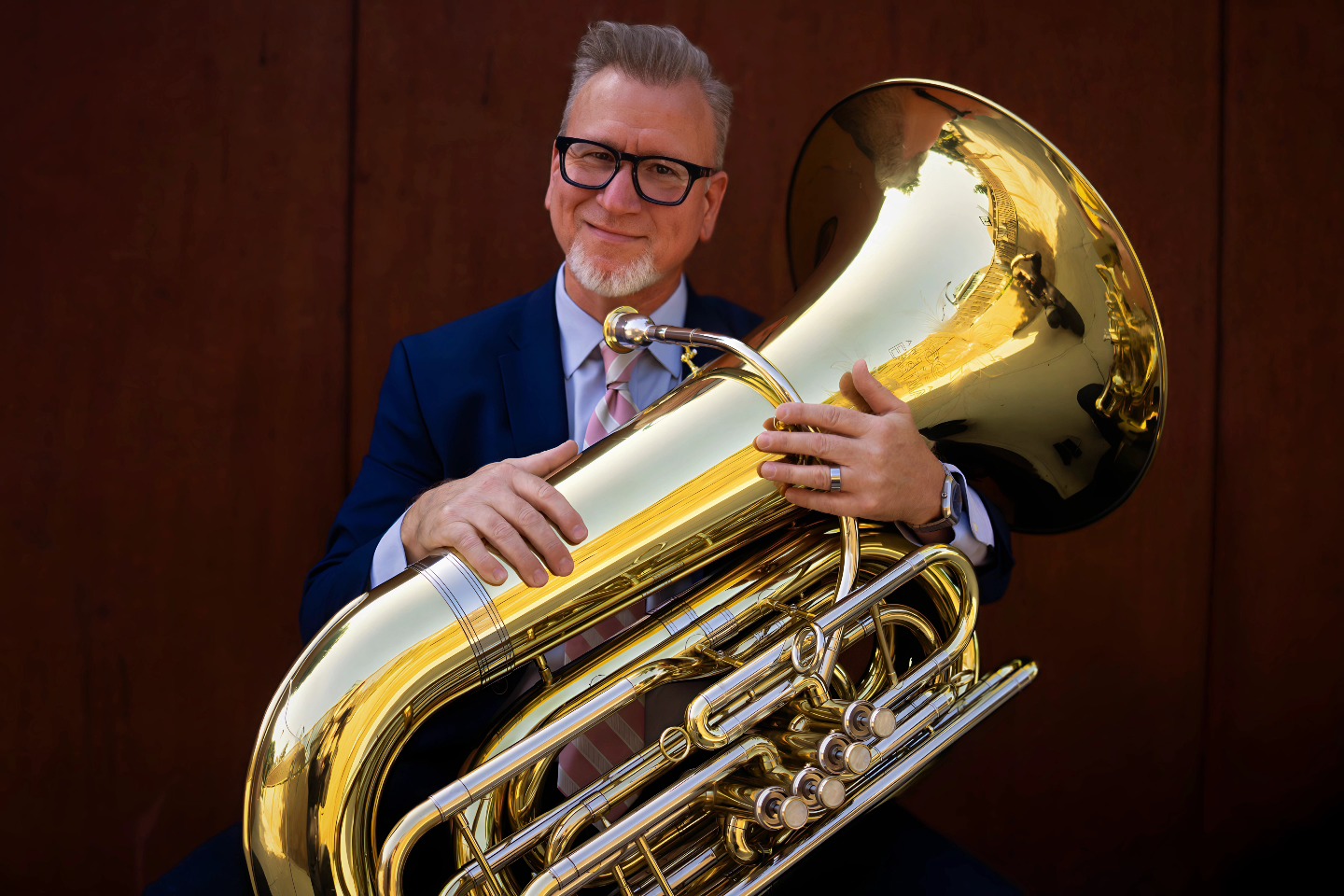
Marc T. Gaspard Bolin is a performer-scholar with a nearly three-decade career as a professional musician, arranger, and educator. He teaches jazz and ethnomusicology in the Department of Ethnomusicology at the University of California, Los Angeles; Jazz and the Political Imagination in the Department of African American Studies; and world music, ethnomusicology, and tuba/euphonium at California State Polytechnic University, Pomona. He has collaborated with leading jazz artists such as Kamasi Washington and Kenny Burrell and genre-crossing performers including Big Sean, Evanescence, John Legend, and Kanye West. His realization of Duke Ellington's unfinished opera Queenie Pie was originally commissioned by the Oakland Opera Theater and has since been staged by opera companies in Austin, Long Beach, and Chicago. His community-based work, which includes festival archiving, youth ensemble leadership, and collaborative ethnographic film, underscores a sustained commitment to cultural memory, public engagement, and intergenerational storytelling. His current research centers on overlooked continuities in New Orleans jazz traditions.
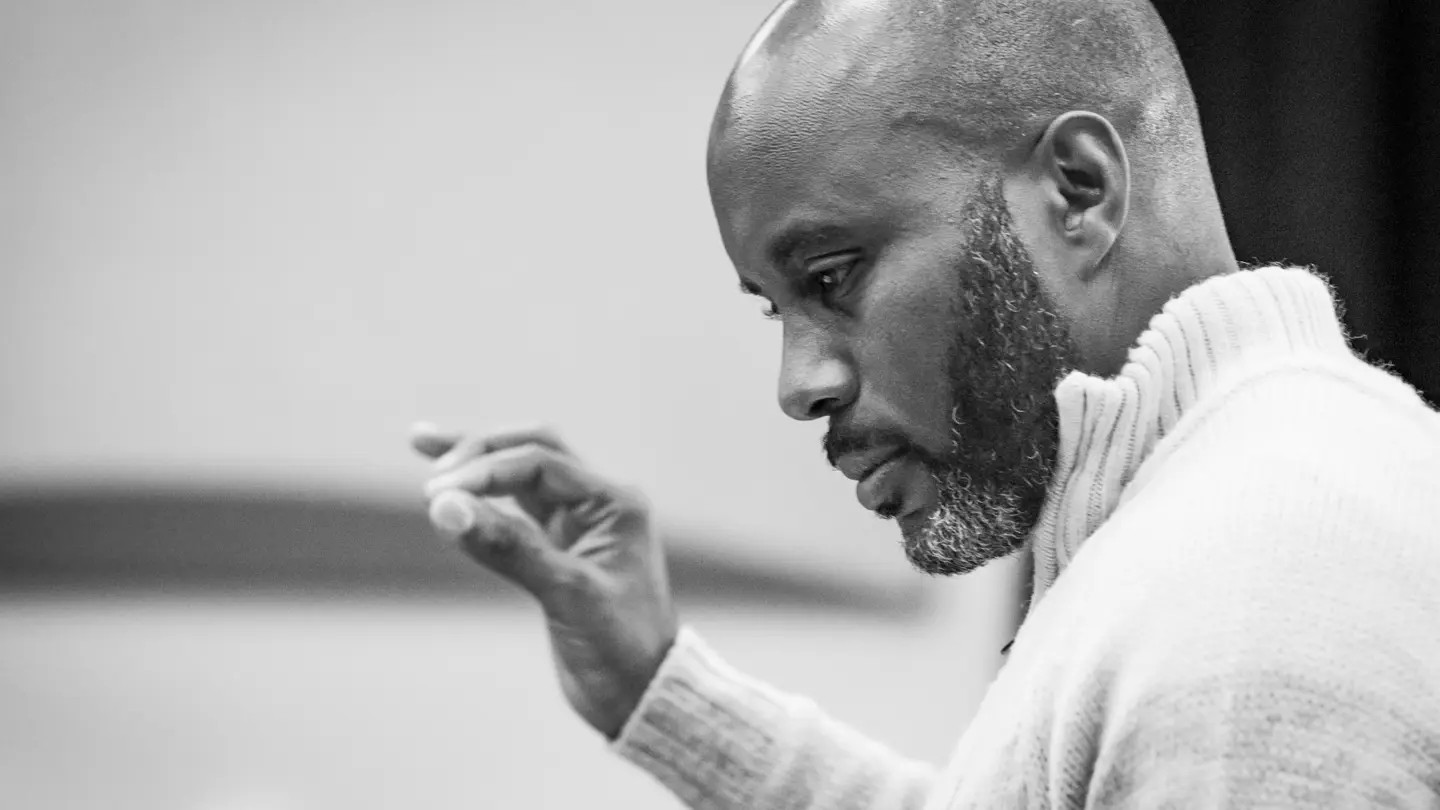
Ray Briggs is Professor of Music and Assistant Director of Jazz Studies for the Bob Cole Conservatory of Music at California State University, Long Beach, where he teaches courses in jazz history and ethnomusicology. With research interests in the regional study of jazz and the role of place in Black musical expression, Ray is completing a monograph on the history of jazz in Memphis. He remains active as a saxophonist and has performed with the Clayton/Hamilton Jazz Orchestra, Benny Green, Stefon Harris, and Roy Hargrove. He served as Director of the Quincy Jones Jazz Camp for several years, mentoring young musicians through immersive performance-based education. He is also co-founder of FEED (Focus on Education, Equity, and Diversity), a forum dedicated to social justice, community engagement, and inclusion in music education. In both scholarship and practice, Ray bridges performance, pedagogy, and cultural history to uplift community-rooted jazz traditions.

Kira Dralle is a jazz and popular music scholar whose work bridges academic and public musicology. She serves as Co-Editor in Chief of Jazz Perspectives and was recently a Visiting Assistant Professor of Jazz Studies at the University of Pittsburgh. She has held positions at Indexical, an experimental music venue in Santa Cruz, and was a Visiting Scholar in Residence at the University for Music and Performing Arts Graz, where she worked in the jazz archives of Dietrich Schulz-Köhn. Dralle has also curated and written for public-facing events, including the Steirischer Herbst Festival, the Black Sound Symposium, and the Northern California Performance Platform. Her research, at the intersection of historical ethnomusicology, visual culture, and political philosophy, examines archival silence around Black jazz musicians in the Third Reich and Vichy France and its effects on transatlantic jazz historiography. She also reconsiders the legacy of Joséphine Baker alongside unnamed Black jazz instrumentalists in European and Caribbean archives. Her writing appears in Jazz & Culture, Jazzforschung/Jazz Research, Jazz Research News, Notes, and the Journal of Jazz Research.
Foundations, Circulation, and Collective Sound (Origins–1940s)
Jazz Cultures in Motion, Volume 1 reorients the study of jazz by grounding its early history in African diasporic and Afro-Indigenous practices, collective sound, and improvisation as lived knowledge. Moving beyond origin myths and linear narratives, the volume situates jazz within systems of enslavement, migration, labor, ritual, and community survival, tracing sacred and secular continuities through blues, ragtime, early jazz, vaudeville, recording industries, and dance cultures. The volume foregrounds women, working musicians, and marginalized communities whose labor shaped jazz’s foundations and early circulations.
Designed as a customizable online course package, Jazz Cultures in Motion, Volume 1:
- helps readers develop critical thinking, analytical listening, and academic writing skills while engaging themes of race, creativity, labor, and cultural memory.
- examines the relationships between music and society, encouraging readers to understand early jazz as an innovative, multifaceted tradition rooted in African American community life and shaped through circulation, adaptation, and collective care.
- analyzes early jazz compositions and performance practices while connecting musical developments to broader social, historical, and cultural contexts.
Preface
Part I: Foundations and Cultural Contexts (Origins-1890s)
Chapter 1: Cultural Foundations and Resistance (Origins-1865)
Chapter 2: New Orleans Convergence (1819-1890s)
Part II: Early Precursors to Jazz (1870s-1910s)
Chapter 3: Disrupting the Folk Narrative: Race, Power, and the Origins of Ragtime
Chapter 4: Ragtime and Orchestrated Ragtime (1890s-1910s)
Chapter 5: Theatrical Routes: Vaudeville, TOBA, and Classic Blues (1910s-1925)
Part III: Early Jazz (1900-1920s)
Chapter 6: Early Jazz and the Rise of Instrumental Innovation (the 1890s-1917)
Chapter 7: The Great Migration, Harlem Renaissance, and Regional Jazz Scenes (1915-1930)
Chapter 8: Territory Bands and Regional Scenes (1920-1935)
Part IV: Swing Era (1928-1945)
Chapter 9: Recording Industry and Dance Culture (1928-1935)
Chapter 10: Big Band Innovations (1935-1945)
Part V: Jazz in Context
Chapter 11: Swing Beyond Borders – Jazz in Europe and Transnational Circulations
Chapter 12: Sounding Modernism: Jazz, Race, and Aesthetic Radicalism (1920-1940)
Chapter 13: Jazz, Activism, and Social Change (1917-1945)
Chapter 14: Jazz in Popular Media (1927-1945)
Chapter 15: Jazz and Labor: Musicians’ Unions and Economic Struggles (1896-1945)
Marc T. Gaspard Bolin is a performer-scholar with a nearly three-decade career as a professional musician, arranger, and educator. He teaches jazz and ethnomusicology in the Department of Ethnomusicology at the University of California, Los Angeles; Jazz and the Political Imagination in the Department of African American Studies; and world music, ethnomusicology, and tuba/euphonium at California State Polytechnic University, Pomona. He has collaborated with leading jazz artists such as Kamasi Washington and Kenny Burrell and genre-crossing performers including Big Sean, Evanescence, John Legend, and Kanye West. His realization of Duke Ellington's unfinished opera Queenie Pie was originally commissioned by the Oakland Opera Theater and has since been staged by opera companies in Austin, Long Beach, and Chicago. His community-based work, which includes festival archiving, youth ensemble leadership, and collaborative ethnographic film, underscores a sustained commitment to cultural memory, public engagement, and intergenerational storytelling. His current research centers on overlooked continuities in New Orleans jazz traditions.
Ray Briggs is Professor of Music and Assistant Director of Jazz Studies for the Bob Cole Conservatory of Music at California State University, Long Beach, where he teaches courses in jazz history and ethnomusicology. With research interests in the regional study of jazz and the role of place in Black musical expression, Ray is completing a monograph on the history of jazz in Memphis. He remains active as a saxophonist and has performed with the Clayton/Hamilton Jazz Orchestra, Benny Green, Stefon Harris, and Roy Hargrove. He served as Director of the Quincy Jones Jazz Camp for several years, mentoring young musicians through immersive performance-based education. He is also co-founder of FEED (Focus on Education, Equity, and Diversity), a forum dedicated to social justice, community engagement, and inclusion in music education. In both scholarship and practice, Ray bridges performance, pedagogy, and cultural history to uplift community-rooted jazz traditions.
Kira Dralle is a jazz and popular music scholar whose work bridges academic and public musicology. She serves as Co-Editor in Chief of Jazz Perspectives and was recently a Visiting Assistant Professor of Jazz Studies at the University of Pittsburgh. She has held positions at Indexical, an experimental music venue in Santa Cruz, and was a Visiting Scholar in Residence at the University for Music and Performing Arts Graz, where she worked in the jazz archives of Dietrich Schulz-Köhn. Dralle has also curated and written for public-facing events, including the Steirischer Herbst Festival, the Black Sound Symposium, and the Northern California Performance Platform. Her research, at the intersection of historical ethnomusicology, visual culture, and political philosophy, examines archival silence around Black jazz musicians in the Third Reich and Vichy France and its effects on transatlantic jazz historiography. She also reconsiders the legacy of Joséphine Baker alongside unnamed Black jazz instrumentalists in European and Caribbean archives. Her writing appears in Jazz & Culture, Jazzforschung/Jazz Research, Jazz Research News, Notes, and the Journal of Jazz Research.