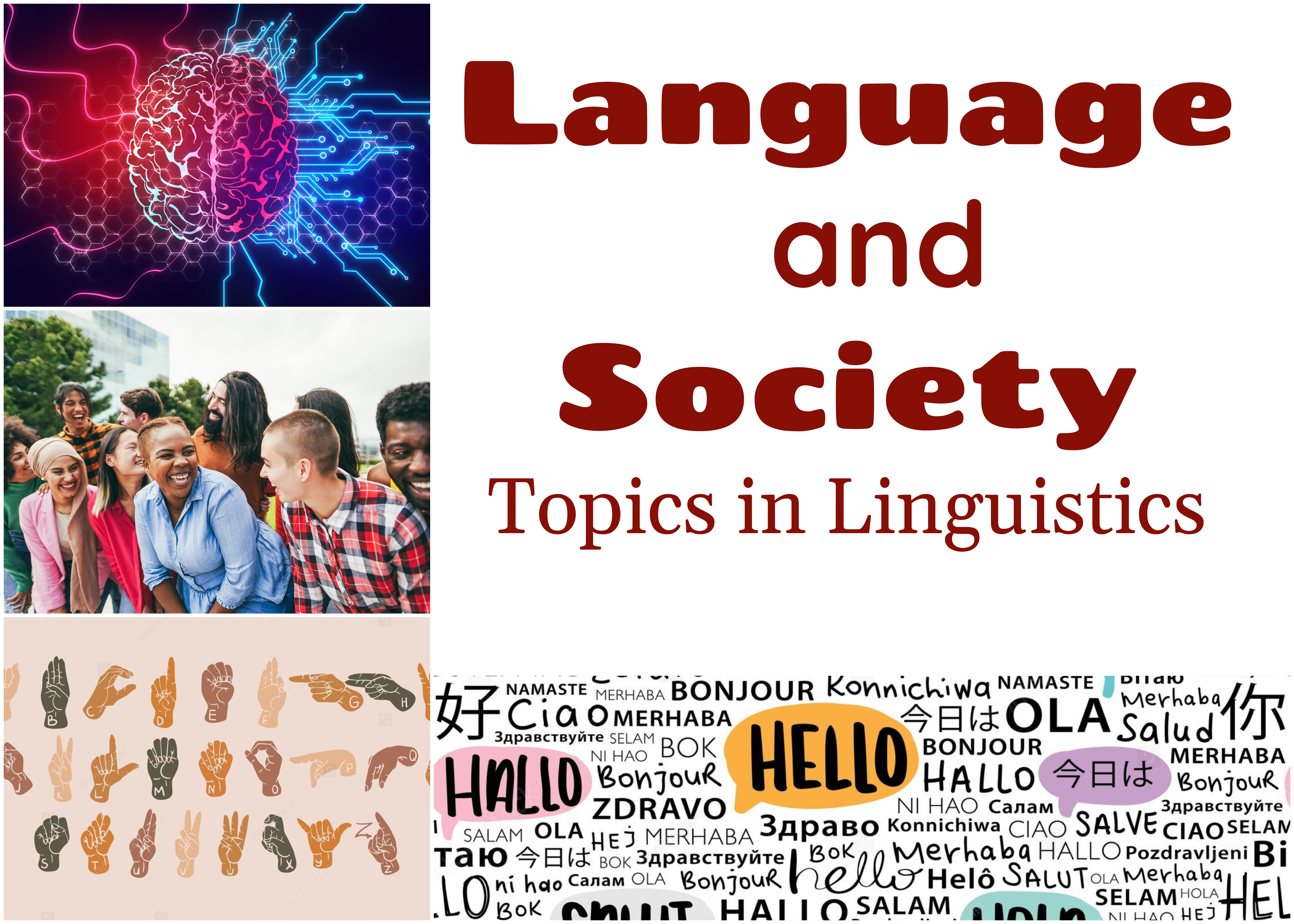
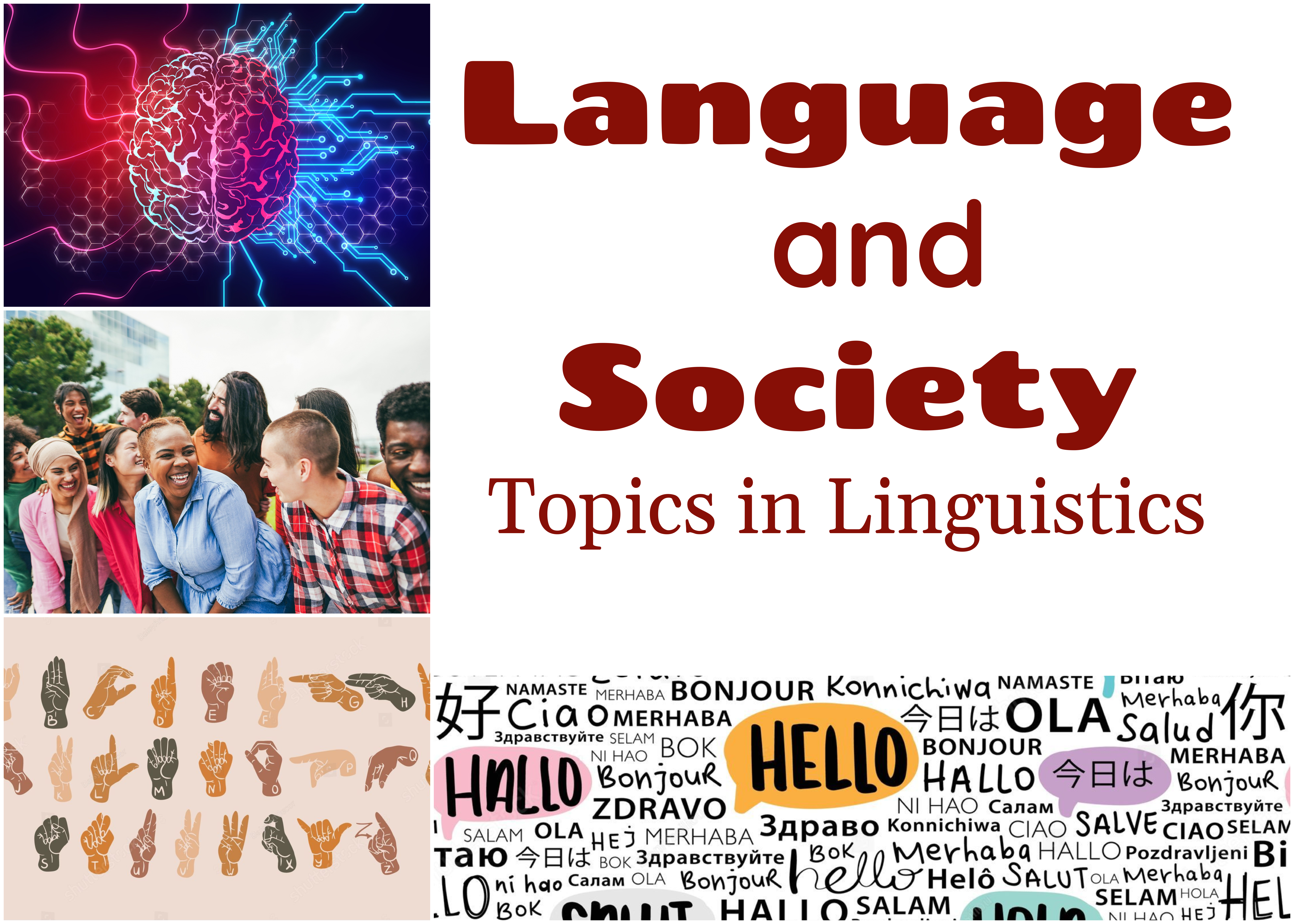
Language and Society: An Introduction to Topics in Linguistics

Edition: 1

Copyright: 2025

Pages: 306

Choose Your Format

Website

$68.00 USD

ISBN 9798765781852

Details KHPContent 180 days

Section 1. Language and How We Study It
Chapter 1.1 What Is Language?
Chapter 1.2 How do We Know What We Know about Language?
Chapter 1.3 What Are the Components of Language?
Chapter 1.4 Are All Languages Spoken?
Chapter 1.5 Are All Languages Written?

Section 2. What We Know About Language and Languages
Chapter 2.1 How Old Is Human Language?
Chapter 2.2 Are All Languages Related?
Chapter 2.3 How Do Languages Change Over Time?

Section 3. Brain, Babies, and Language Learning
Chapter 3.1 Where Does Language Reside in the Brain?
Chapter 3.2 How Do Babies Acquire Language?
Chapter 3.3 How Do We Learn Other Languages?

Section 4. Language Contact
Chapter 4.1 What Is Multilingualism?
Chapter 4.2 What Are Indigenous Languages?
Chapter 4.3 Why Do Languages Become Endangered?

Section 5. Language in Society
Chapter 5.1 What Is a Dialect?
Chapter 5.2 What Role Does Language Play in Social Justice?
Chapter 5.3 WHAT IS A LANGUAGE STYLE?

Section 6. Language and Culture
Chapter 6.1 Are There Social Norms for Conversation?
Chapter 6.2 What Is the Relationship Between Language and Power?

Section 7. Language and Identities
Chapter 7.1 How Does Language Shape and Reveal Who We Are?
Chapter 7.2 Gendered Identities

Section 8. Language, Technology, and Social Networks
Chapter 8.1 Language and Artificial Intelligence (AI): How Human Is AI?
Chapter 8.2 How Has Technology Changed Language Use?

Shahrzad Mahootian

Shahrzad Mahootian is a professor of linguistics in the Department of Linguistics at Northeastern Illinois University. She received her doctorate in linguistics from Northwestern University and began teaching at NEIU in 1993. Her research interests and publications include topics in language contact including structural, cognitive, and social aspects of multilingualism, bilingual language acquisition, code switching and language choice, language and identity. She has also written on various aspects of Persian linguistics.

Judith Kaplan-Weinger

Judith Kaplan-Weinger is a professor of linguistics in the Department of Linguistics at Northeastern Illinois University. She received her PhD in linguistics from Georgetown University and has been a member of NEIU’s Linguistics faculty since 1987. Her research and teaching focus on sociolinguistics, discourse analysis, and the ethnography of communication. Currently, she researches the discursive practices of loss, grief, and mourning.

Lewis Gebhardt

Lewis Gebhardt is an assistant professor of linguistics in the Department of Linguistics at Northeastern Illinois University. He earned his PhD at Northwestern University in 2009. His research interests include syntax and semantics, especially the syntax and semantics of noun phrases across languages. He is a linguistic consultant for The Language Conservancy, helping to document and analyze Crow, a Siouan language spoken in Montana, and with the Crow tribe’s language-education and language-revitalization efforts.

Section 1. Language and How We Study It
Chapter 1.1 What Is Language?
Chapter 1.2 How do We Know What We Know about Language?
Chapter 1.3 What Are the Components of Language?
Chapter 1.4 Are All Languages Spoken?
Chapter 1.5 Are All Languages Written?

Section 2. What We Know About Language and Languages
Chapter 2.1 How Old Is Human Language?
Chapter 2.2 Are All Languages Related?
Chapter 2.3 How Do Languages Change Over Time?

Section 3. Brain, Babies, and Language Learning
Chapter 3.1 Where Does Language Reside in the Brain?
Chapter 3.2 How Do Babies Acquire Language?
Chapter 3.3 How Do We Learn Other Languages?

Section 4. Language Contact
Chapter 4.1 What Is Multilingualism?
Chapter 4.2 What Are Indigenous Languages?
Chapter 4.3 Why Do Languages Become Endangered?

Section 5. Language in Society
Chapter 5.1 What Is a Dialect?
Chapter 5.2 What Role Does Language Play in Social Justice?
Chapter 5.3 WHAT IS A LANGUAGE STYLE?

Section 6. Language and Culture
Chapter 6.1 Are There Social Norms for Conversation?
Chapter 6.2 What Is the Relationship Between Language and Power?

Section 7. Language and Identities
Chapter 7.1 How Does Language Shape and Reveal Who We Are?
Chapter 7.2 Gendered Identities

Section 8. Language, Technology, and Social Networks
Chapter 8.1 Language and Artificial Intelligence (AI): How Human Is AI?
Chapter 8.2 How Has Technology Changed Language Use?

Shahrzad Mahootian

Shahrzad Mahootian is a professor of linguistics in the Department of Linguistics at Northeastern Illinois University. She received her doctorate in linguistics from Northwestern University and began teaching at NEIU in 1993. Her research interests and publications include topics in language contact including structural, cognitive, and social aspects of multilingualism, bilingual language acquisition, code switching and language choice, language and identity. She has also written on various aspects of Persian linguistics.

Judith Kaplan-Weinger

Judith Kaplan-Weinger is a professor of linguistics in the Department of Linguistics at Northeastern Illinois University. She received her PhD in linguistics from Georgetown University and has been a member of NEIU’s Linguistics faculty since 1987. Her research and teaching focus on sociolinguistics, discourse analysis, and the ethnography of communication. Currently, she researches the discursive practices of loss, grief, and mourning.

Lewis Gebhardt

Lewis Gebhardt is an assistant professor of linguistics in the Department of Linguistics at Northeastern Illinois University. He earned his PhD at Northwestern University in 2009. His research interests include syntax and semantics, especially the syntax and semantics of noun phrases across languages. He is a linguistic consultant for The Language Conservancy, helping to document and analyze Crow, a Siouan language spoken in Montana, and with the Crow tribe’s language-education and language-revitalization efforts.