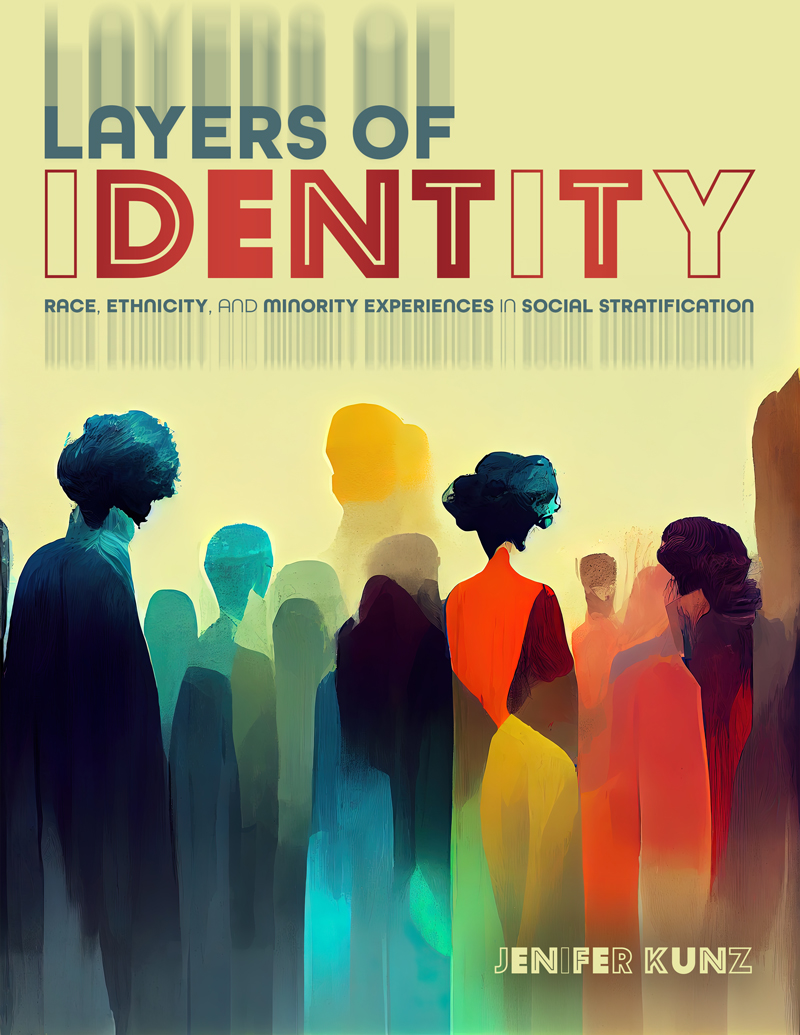
Layers of Identity: Race, Ethnicity, and Minority Experiences in Social Stratification
Edition: 1
Copyright: 2025
Pages: 375
Choose Your Format
Choose Your Platform | Help Me Choose


Ebook
$107.99 USD
Introduction
Layers of Individual Identity
Chapter 1 - The Multiple Dimensions of Racial Mixture in Rio de Janeiro, Brazil: from Whitening to Brazil Negritude
Chapter 2 - The Distribution of Power: Class Status, Party
Chapter 3 - The Declining Significance of Race in the Twenty-Frist Century: A Retrospective Assessment in the Context of Rising Class Inequality
Chapter 4 - Yes, I Follow Islam, but I'm Not a Terrorist
Chapter 5 - Constructing Ethnicity: Creating and Recreating Ethnic Identity and Culture
Chapter 6 - "Liberated" Ethnic Studies: Jews Need Not Apply
Chapter 7 - Identity Crisis: Indian Identity in a Changing World
Layers of Group Identity
Chapter 8 - Layers of Identity Among the Moorish Sovereign Citizens: A Case Study
Chapter 9 - Body Ritual among the Nacirema
Chapter 10 - How the Navajo Nation Beat Back COVID-19
Chapter 11 - People of Color are on the Front Lines of Climate Crisis
Chapter 12 - U.S. Residents' Current Attitudes Toward Immigrants and Immigration
Chapter 13 - Migration to Europe since 1945: Its History and its Lessons
Chapter 14 - Gifts of Paper and Prestige: The Role of Christmas Cards in Maintaining Social Networks
Chapter 15 - Islamophobia and the "Privileging" of Arab American Women
Chapter 16 - Ice Cream Preference: Gender Differences in Tase and Quality
Layers of Structural Identity
Chapter 17 - Environmental Racism on Indigenous Lands and Territories
Chapter 18 - How Great Salt Lake Dust Impacts People of Color
Chapter 19 - A Profile of Parental Homicide Against Children's Literature
Chapter 20 - Crossing: Images of the Borderlands Experience in Contemporary Young Adult and Children
Chapter 21 - The Differing Opinions and Politics of Asians, Blacks, Hispanics, and Whites and Why It Matters
Chapter 22 - "Thy People Shall Be My People": Assimilation and Diffusion among Modern Day Missionaries
Chapter 23 - The Intersection of Faith and Family: Religious Attitudes Towards Polygamy
Chapter 24 - The Color of Poverty: Systemic Othering and the Criminalization of Survival
Chapter 25 - Race, Ethnicity, and Educational Disparities: Critical Frameworks and Strategies for Equity
Chapter 26 - The Social Construction of Reality: Culture, Perception, and the Intersecting Role of Language

Jenifer Kunz’s interest in sociology, race and ethnicity, and the family, grew out of the experiences she had in her own family growing up. She reflects, “We worked hard, played hard, and had fun together. I came to learn and understand that the family is the most important and most influential social institution in the world.”
Her travels around the globe have expanded her understanding of race and ethnicity and marriages and families. Living abroad for eighteen months in Uruguay gave her a deeper understanding that people are more similar than different. She has said, “These experiences have affected my professional and private life in profound ways. It affects how I teach, what I research, and my interactions with others.”
She received her Ph.D. from Brigham Young University in 1994 and she began teaching at West Texas A&M University in 1993. She is a Professor of Sociology, the Sociology Program Director and served as the Department Head for eight years. Jenifer was also named as the Dyke Rogers Professor of Sociology, an endowed professorship, at West Texas A&M University.
Jenifer has made several scholarly presentations about race and ethnicity, family, and many other subjects in her sociological research, on the national and international level. Her articles and publications have appeared in many academic journals and books. She is the author of nine books. Jenifer has received numerous awards for teaching and has been an international visiting professor several times at the University of Calgary in Alberta, Canada. She has also served as a consultant and a facilitator for various government and independent agencies. She is actively involved in the community and mentoring. Jenifer’s areas of specialization include, marriage and the family and race and ethnicity. She is a member of many professional associations and academic organizations. She has a special interest on the effects of divorce on children.
Jenifer lives in Texas. In her free time, she enjoys just about everything: working out, mountain biking, snorkeling, traveling, speaking Spanish and spending time with family and friends.
Introduction
Layers of Individual Identity
Chapter 1 - The Multiple Dimensions of Racial Mixture in Rio de Janeiro, Brazil: from Whitening to Brazil Negritude
Chapter 2 - The Distribution of Power: Class Status, Party
Chapter 3 - The Declining Significance of Race in the Twenty-Frist Century: A Retrospective Assessment in the Context of Rising Class Inequality
Chapter 4 - Yes, I Follow Islam, but I'm Not a Terrorist
Chapter 5 - Constructing Ethnicity: Creating and Recreating Ethnic Identity and Culture
Chapter 6 - "Liberated" Ethnic Studies: Jews Need Not Apply
Chapter 7 - Identity Crisis: Indian Identity in a Changing World
Layers of Group Identity
Chapter 8 - Layers of Identity Among the Moorish Sovereign Citizens: A Case Study
Chapter 9 - Body Ritual among the Nacirema
Chapter 10 - How the Navajo Nation Beat Back COVID-19
Chapter 11 - People of Color are on the Front Lines of Climate Crisis
Chapter 12 - U.S. Residents' Current Attitudes Toward Immigrants and Immigration
Chapter 13 - Migration to Europe since 1945: Its History and its Lessons
Chapter 14 - Gifts of Paper and Prestige: The Role of Christmas Cards in Maintaining Social Networks
Chapter 15 - Islamophobia and the "Privileging" of Arab American Women
Chapter 16 - Ice Cream Preference: Gender Differences in Tase and Quality
Layers of Structural Identity
Chapter 17 - Environmental Racism on Indigenous Lands and Territories
Chapter 18 - How Great Salt Lake Dust Impacts People of Color
Chapter 19 - A Profile of Parental Homicide Against Children's Literature
Chapter 20 - Crossing: Images of the Borderlands Experience in Contemporary Young Adult and Children
Chapter 21 - The Differing Opinions and Politics of Asians, Blacks, Hispanics, and Whites and Why It Matters
Chapter 22 - "Thy People Shall Be My People": Assimilation and Diffusion among Modern Day Missionaries
Chapter 23 - The Intersection of Faith and Family: Religious Attitudes Towards Polygamy
Chapter 24 - The Color of Poverty: Systemic Othering and the Criminalization of Survival
Chapter 25 - Race, Ethnicity, and Educational Disparities: Critical Frameworks and Strategies for Equity
Chapter 26 - The Social Construction of Reality: Culture, Perception, and the Intersecting Role of Language
Jenifer Kunz’s interest in sociology, race and ethnicity, and the family, grew out of the experiences she had in her own family growing up. She reflects, “We worked hard, played hard, and had fun together. I came to learn and understand that the family is the most important and most influential social institution in the world.”
Her travels around the globe have expanded her understanding of race and ethnicity and marriages and families. Living abroad for eighteen months in Uruguay gave her a deeper understanding that people are more similar than different. She has said, “These experiences have affected my professional and private life in profound ways. It affects how I teach, what I research, and my interactions with others.”
She received her Ph.D. from Brigham Young University in 1994 and she began teaching at West Texas A&M University in 1993. She is a Professor of Sociology, the Sociology Program Director and served as the Department Head for eight years. Jenifer was also named as the Dyke Rogers Professor of Sociology, an endowed professorship, at West Texas A&M University.
Jenifer has made several scholarly presentations about race and ethnicity, family, and many other subjects in her sociological research, on the national and international level. Her articles and publications have appeared in many academic journals and books. She is the author of nine books. Jenifer has received numerous awards for teaching and has been an international visiting professor several times at the University of Calgary in Alberta, Canada. She has also served as a consultant and a facilitator for various government and independent agencies. She is actively involved in the community and mentoring. Jenifer’s areas of specialization include, marriage and the family and race and ethnicity. She is a member of many professional associations and academic organizations. She has a special interest on the effects of divorce on children.
Jenifer lives in Texas. In her free time, she enjoys just about everything: working out, mountain biking, snorkeling, traveling, speaking Spanish and spending time with family and friends.