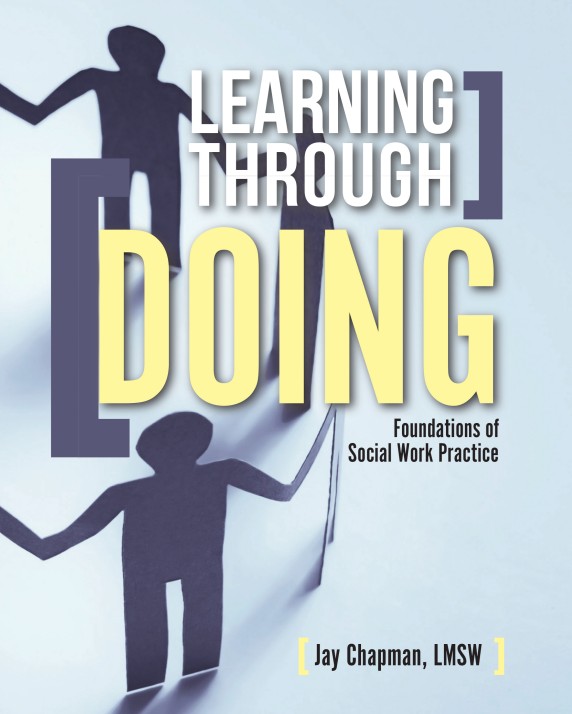
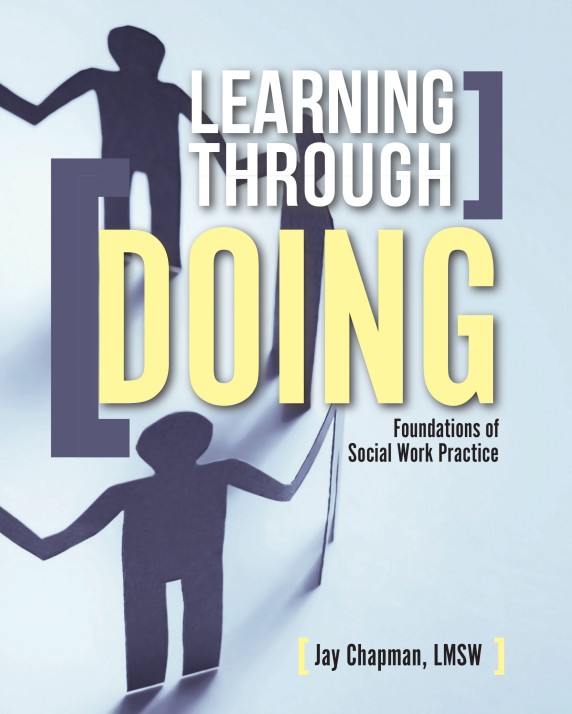
Learning Through Doing: Foundations of Social Work Practice
Edition: 1
Copyright: 2026
Edition: 1
Copyright: 2026
Pages: 198
Choose Your Format
Ebook
$39.00 USD
$55.00 USD
Learning Through Doing: Foundations of Social Work Practice provides guidance and support for individuals pursuing a career in social work, helping them establish a more secure and confident foothold in their chosen profession. Entering the field of social work is both exciting and challenging; it offers opportunities to make a meaningful difference in the lives of individuals, families, and communities. However, new social workers often encounter unexpected barriers, high workloads, and complex systems that can feel overwhelming. Without adequate preparation, these challenges can contribute to stress, burnout, and even disengagement, ultimately affecting both the social worker and the clients they serve. This book aims to equip new social workers with practical strategies, resources, and insights that foster resilience, competence, and professional growth during the critical early stages of their career.

Social Work Job/Internship Selection and Interviewing
Navigating the First Weeks of a Social Work Position
Biases and Stereotypes
Creating a Successful Learning Contract
Managing a New Workload
Staying Ahead Instead of Catching Up
The Importance of Monitoring Online Presence
Promoting Safety in Client Interactions
The Importance of Presentation
Interviewing
Group Facilitation in Social Work Practice
Substance Use and Mental Health
Dysregulated Summarization Technique
Social Work Documentation
Recognizing and Combating Burnout and Compassion Fatigue
Creating and Implementing a Self-Care Plan
Jay Chapman has worked in the field of social work for over twenty years, beginning with his Bachelor's degree in Social Work in 2005 and followed by his Master's degree in 2013. His career includes eight years of direct practice conducting assessments, interviews, crisis management, and service referrals: nearly five years supervising direct practice teams; and seven years training new hires in child welfare best practices. He has also served as a field supervisor for multiple colleges, mentoring BSW and MSW students as they develop academic and professional competencies. For the past five years. Jay has taught at several universities, focusing primarily on direct practice professional development, and internship-based learning for emerging social workers.
Learning Through Doing: Foundations of Social Work Practice provides guidance and support for individuals pursuing a career in social work, helping them establish a more secure and confident foothold in their chosen profession. Entering the field of social work is both exciting and challenging; it offers opportunities to make a meaningful difference in the lives of individuals, families, and communities. However, new social workers often encounter unexpected barriers, high workloads, and complex systems that can feel overwhelming. Without adequate preparation, these challenges can contribute to stress, burnout, and even disengagement, ultimately affecting both the social worker and the clients they serve. This book aims to equip new social workers with practical strategies, resources, and insights that foster resilience, competence, and professional growth during the critical early stages of their career.
Social Work Job/Internship Selection and Interviewing
Navigating the First Weeks of a Social Work Position
Biases and Stereotypes
Creating a Successful Learning Contract
Managing a New Workload
Staying Ahead Instead of Catching Up
The Importance of Monitoring Online Presence
Promoting Safety in Client Interactions
The Importance of Presentation
Interviewing
Group Facilitation in Social Work Practice
Substance Use and Mental Health
Dysregulated Summarization Technique
Social Work Documentation
Recognizing and Combating Burnout and Compassion Fatigue
Creating and Implementing a Self-Care Plan
Jay Chapman has worked in the field of social work for over twenty years, beginning with his Bachelor's degree in Social Work in 2005 and followed by his Master's degree in 2013. His career includes eight years of direct practice conducting assessments, interviews, crisis management, and service referrals: nearly five years supervising direct practice teams; and seven years training new hires in child welfare best practices. He has also served as a field supervisor for multiple colleges, mentoring BSW and MSW students as they develop academic and professional competencies. For the past five years. Jay has taught at several universities, focusing primarily on direct practice professional development, and internship-based learning for emerging social workers.