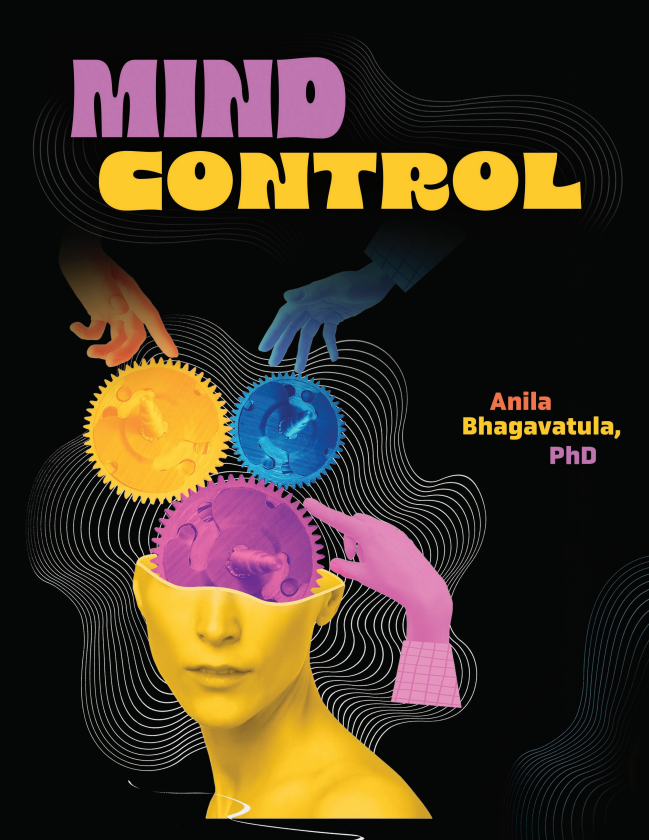
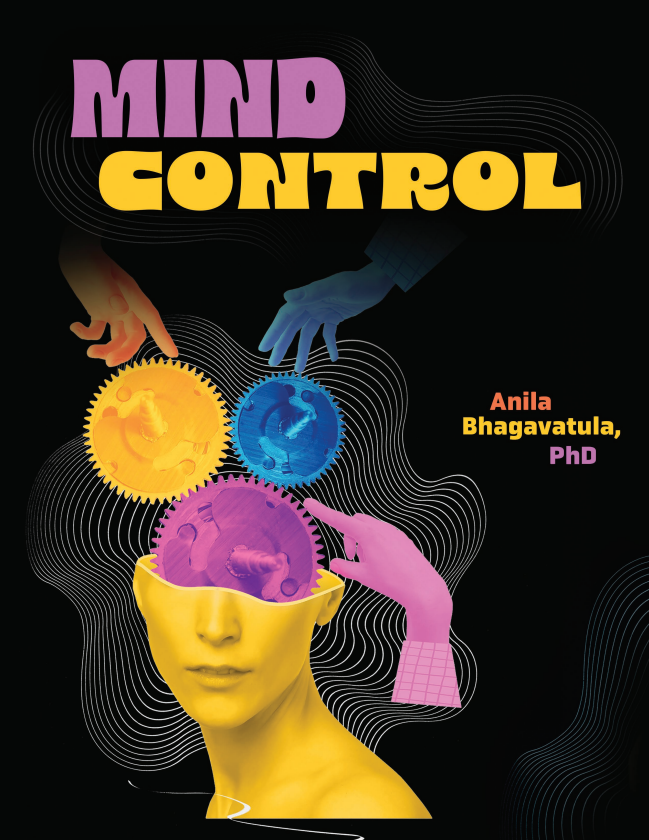
Mind Control
Edition: 1
Copyright: 2026
Pages: 217
Choose Your Format
Choose Your Platform | Help Me Choose


Ebook
$65.00 USD
This book explores the psychological processes that shape human thought, belief, and behavior, examining how perception, memory, social influence, persuasion, and media affect the way people understand reality. Drawing from research in cognitive, social, and behavioral psychology, it explains how biases, emotions, heuristics, misinformation, propaganda, and group dynamics influence decision-making and judgment. Throughout, the book encourages readers to develop critical thinking and psychological awareness, equipping them to recognize subtle forms of influence while making more informed and reflective choices in everyday life.
PART I: Foundations—Freedom, Constraint, and the Chains of Human Existence
Social Constraint: Freedom, Society, and the Individual
Social Structure: Status, Roles, and Persuasion
PART II: Power, Stratification, and the Architecture of Inequality
Social Stratification: Systems of Influence
Race and Identity: Social Construction and Inequality
Gender: Roles, Socialization, and Identity
PART III: Mind Control—Mechanisms of Persuasion, Influence, and Compliance
Emotion and Persuasion: Control, Freedom, and Feeling
Media: Misinformation and Propaganda
Cognition and Belief: Memory, Judgment, and Reality
Persuasion: Narrative, Credibility, and Attitudes
PART IV: Social Influence, Group Dynamics, and the Power of the Collective
Social Influence: Norms, Conformity, and Obedience
Group Processes: Influence, Responsibility, and Collective Behavior
PART V: Extremes of Mind Control—Prejudice, Violence, Terror, and Fundamentalism
Prejudice and Discrimination: Bias, Identity, and Inequality
State Power and Psychological Control: Secrecy, Ideology, Coercion
Terrorism and Extremism: Identity, Influence, and Radicalization
Conclusion: Freedom Inside the System

Anila Putcha-Bhagavatula, Ph.D., is a seasoned academic, lecturer, and public speaker with over two decades of expertise in psychology, education, and community engagement. A Ph.D. graduate from the University of Southern California, she specializes in topics such as trauma coping, attribution theory, and effective communication. She is currently a lecturer in social psychology at California State University, Long Beach.
This book explores the psychological processes that shape human thought, belief, and behavior, examining how perception, memory, social influence, persuasion, and media affect the way people understand reality. Drawing from research in cognitive, social, and behavioral psychology, it explains how biases, emotions, heuristics, misinformation, propaganda, and group dynamics influence decision-making and judgment. Throughout, the book encourages readers to develop critical thinking and psychological awareness, equipping them to recognize subtle forms of influence while making more informed and reflective choices in everyday life.
PART I: Foundations—Freedom, Constraint, and the Chains of Human Existence
Social Constraint: Freedom, Society, and the Individual
Social Structure: Status, Roles, and Persuasion
PART II: Power, Stratification, and the Architecture of Inequality
Social Stratification: Systems of Influence
Race and Identity: Social Construction and Inequality
Gender: Roles, Socialization, and Identity
PART III: Mind Control—Mechanisms of Persuasion, Influence, and Compliance
Emotion and Persuasion: Control, Freedom, and Feeling
Media: Misinformation and Propaganda
Cognition and Belief: Memory, Judgment, and Reality
Persuasion: Narrative, Credibility, and Attitudes
PART IV: Social Influence, Group Dynamics, and the Power of the Collective
Social Influence: Norms, Conformity, and Obedience
Group Processes: Influence, Responsibility, and Collective Behavior
PART V: Extremes of Mind Control—Prejudice, Violence, Terror, and Fundamentalism
Prejudice and Discrimination: Bias, Identity, and Inequality
State Power and Psychological Control: Secrecy, Ideology, Coercion
Terrorism and Extremism: Identity, Influence, and Radicalization
Conclusion: Freedom Inside the System
Anila Putcha-Bhagavatula, Ph.D., is a seasoned academic, lecturer, and public speaker with over two decades of expertise in psychology, education, and community engagement. A Ph.D. graduate from the University of Southern California, she specializes in topics such as trauma coping, attribution theory, and effective communication. She is currently a lecturer in social psychology at California State University, Long Beach.