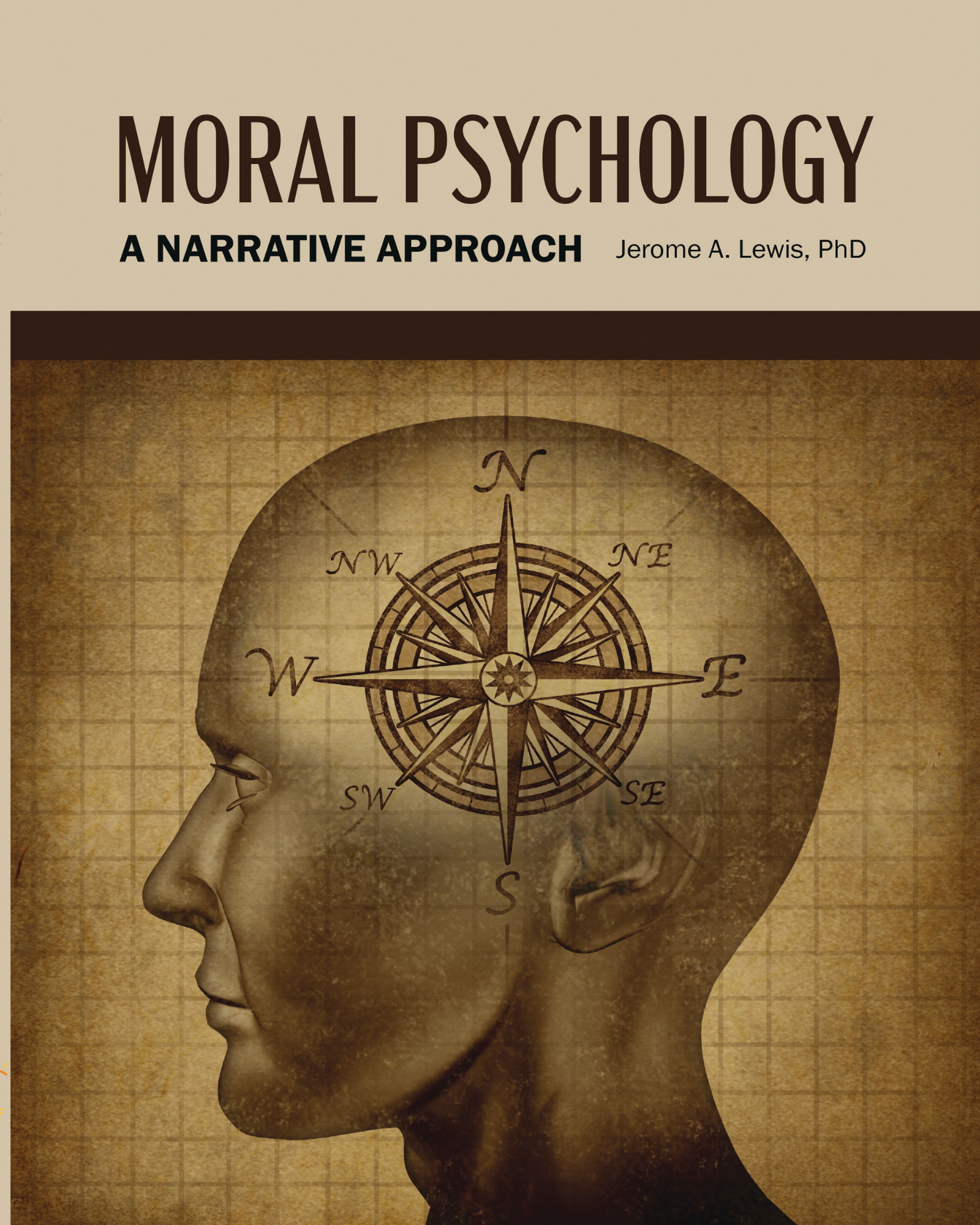
Moral Psychology: A Narrative Approach
Edition: 1
Copyright: 2026
Pages: 152
Edition: 1
Copyright: 2026
Pages: 153
Choose Your Format
$55.00 USD
Ebook
$45.00 USD
How do we decide what is right and wrong? Why do people make different moral judgments about the same behavior? What role do psychological factors such as emotions, intuition, reasoning, and identity play in forming our everyday moral decisions?
Moral Psychology: A Narrative Approach examines these questions using an accessible, concise storytelling format. Readers will be led on a journey through the expanding and interdisciplinary field of moral psychology. Through memorable stories, retellings of famous parables, and real-life events, each chapter examines complex research and theories using an engaging and clear structure.
Written for undergraduate students and curious minds alike, this text is a guide to moral psychology. Survey the moral landscape and discover the psychological forces underlying the choices, beliefs, and relationships shaping our moral lives.
About the Author
Preface
Chapter 1: Introduction to Moral Psychology
Chapter 2: Moral Emotions
Chapter 3: Moral Reasoning.
Chapter 4: Moral Development Across the Lifespan
Chapter 5: Prosocial and Antisocial Behavior
Chapter 6: Moral Character
Chapter 7: Moral Intuitions
Chapter 8: Harm
Chapter 9: Folk Theories of Morality
Chapter 10: Future of Moral Psychology
References
Jerome A. Lewis, PhD, is associate professor of psychology at Bellevue University. His research interests include moral psychology, victimology, and social cognition. His lab, the Victim Role Research Group, focuses on the victim role, prosocial behavior, and how people evaluate everyday moral transgressions. He received Bellevue University’s Excellence in Service Award. He has also received the Rick L. Miller Faculty-Student Collaboration Award and The Big Ideas in Psychology Grant.
How do we decide what is right and wrong? Why do people make different moral judgments about the same behavior? What role do psychological factors such as emotions, intuition, reasoning, and identity play in forming our everyday moral decisions?
Moral Psychology: A Narrative Approach examines these questions using an accessible, concise storytelling format. Readers will be led on a journey through the expanding and interdisciplinary field of moral psychology. Through memorable stories, retellings of famous parables, and real-life events, each chapter examines complex research and theories using an engaging and clear structure.
Written for undergraduate students and curious minds alike, this text is a guide to moral psychology. Survey the moral landscape and discover the psychological forces underlying the choices, beliefs, and relationships shaping our moral lives.
About the Author
Preface
Chapter 1: Introduction to Moral Psychology
Chapter 2: Moral Emotions
Chapter 3: Moral Reasoning.
Chapter 4: Moral Development Across the Lifespan
Chapter 5: Prosocial and Antisocial Behavior
Chapter 6: Moral Character
Chapter 7: Moral Intuitions
Chapter 8: Harm
Chapter 9: Folk Theories of Morality
Chapter 10: Future of Moral Psychology
References
Jerome A. Lewis, PhD, is associate professor of psychology at Bellevue University. His research interests include moral psychology, victimology, and social cognition. His lab, the Victim Role Research Group, focuses on the victim role, prosocial behavior, and how people evaluate everyday moral transgressions. He received Bellevue University’s Excellence in Service Award. He has also received the Rick L. Miller Faculty-Student Collaboration Award and The Big Ideas in Psychology Grant.