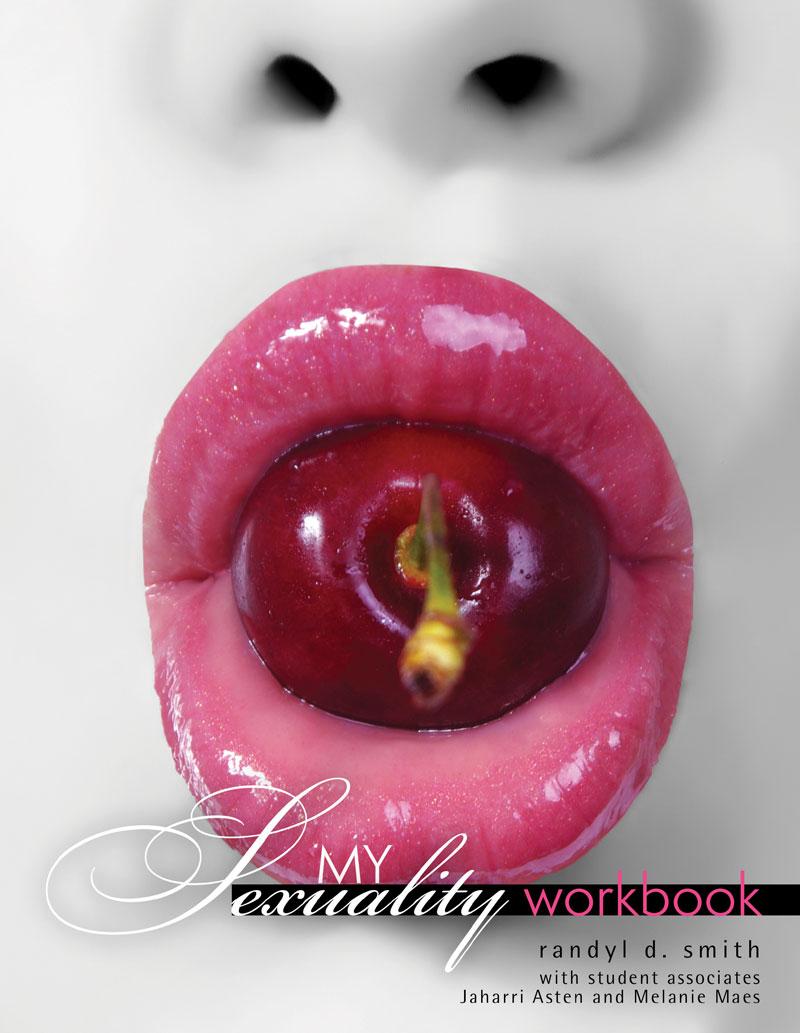
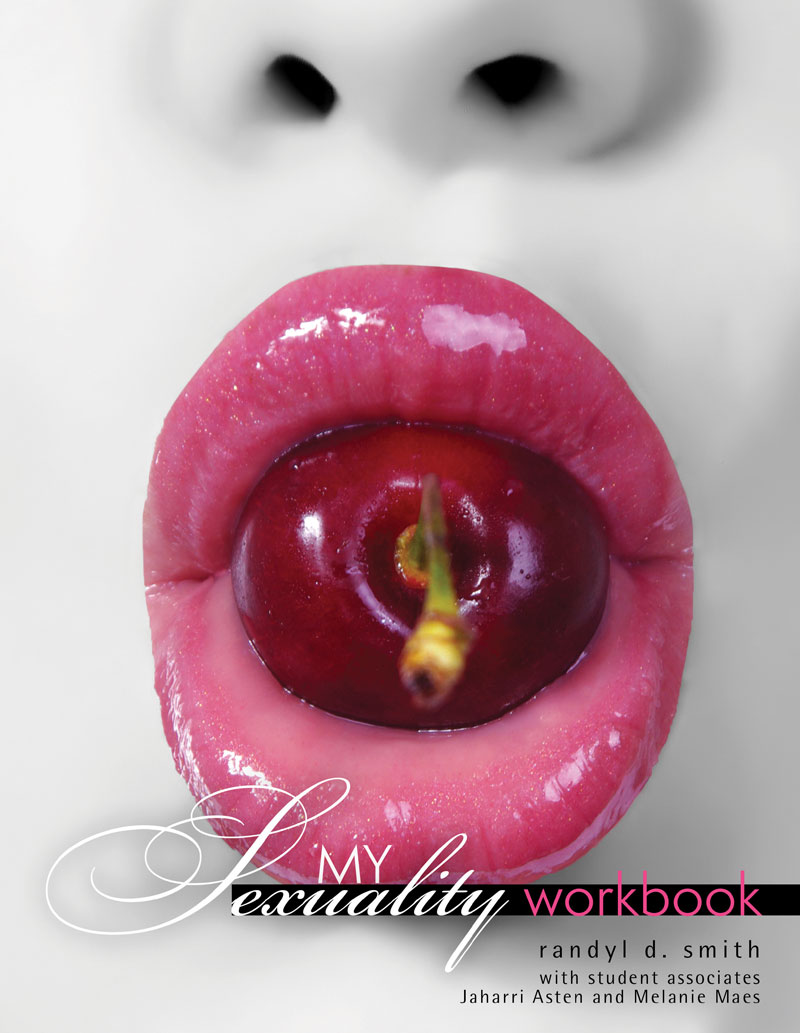
My Sexuality Workbook
Edition: 6
Copyright: 2015
Pages: 314
Choose Your Format
$106.96 USD
Like eating and sleeping, sex is a natural, biologically-driven human behavior.
Yet, as with eating and sleeping, we have much to learn. Having a healthy and satisfying sex life requires more than just factual knowledge about reproduction.
Positive sexuality also requires self-knowledge: What are my sexual fears, my wishes, my challenges? What messages—from my school, my mother, my religion, my society—have I absorbed, and how do those messages affect me? What sexual decisions have I made that haven’t been entirely satisfactory, and what sexual choices do I want to make in the future?
Randyl Smith’s My Sexuality Workbook is a learning tool, designed to supplement factual textbook knowledge with self-inspection. My Sexuality Workbook ‘s activities and exercises help students bridge the gap between sexual science and their own sexual attitudes and behaviors.
Newly updated in 2019, My Sexuality Workbook:
- Encourages readers to explore their thoughts, feelings, beliefs, values, concerns, and wishes, enabling them to come to a greater understanding of their own sexuality.
- Includes research excerpts, self-assessments, case studies, activities, resources, and other materials.
- Features a list of resources related to each topic, including widely available films, books, and Web sites that provide additional information or alternative perspectives.
My Sexuality Workbook is organized around three components of one’s sexual life:
- Sexuality: The Personal focuses on awareness of one’s body, its responsiveness to self-touch, and its changes across the lifespan.
- Sexuality: The Relational explores relational sexuality, from healthy, appealing behaviors like flirting and falling in love, to problematic and even dangerous experiences like sexual dysfunction and sexual coercion.
- Sexuality: The Cultural considers the power that religion, law, healthcare, and the media have in shaping societal sexual behavior—and how those cultural phenomena have influenced the reader’s own sexuality.
From the Author
SECTION 1: SEXUALITY: THE PERSONAL
Chapter 1 Why Study Sexuality? Knowledge Is Pleasure
Chapter 2 Sex Research: The Science of Sexology
Chapter 3 My Body: How It Feels . . . and How I Feel About It
Chapter 4 Gender: Male, Female, and Everything Else
Chapter 5 Solitary Sex: Masturbation and Fantasy
Chapter 6 Sexual Orientation: Straight? Gay? Bi? None of the Above?
Chapter 7 From Birth to Death: Sexuality Across the Life Span
Chapter 8 Reproductive Decision Making: Choices and Challenges
SECTION 2: SEXUALITY: THE RELATIONAL
Chapter 9 Attraction: Liking, Loving, Lusting
Chapter 10 Communication: Expressing Our Sexuality
Chapter 11 Getting to Know You: The World of Dating
Chapter 12 To Have and to Hold: Monogamy, Nonmonogamy, and Infidelity
Chapter 13 Unconventional Sex: Fetishes, Kinks, and Paraphilias
Chapter 14 Coercive Sex: Rape, Harassment, and Abuse
Chapter 15 Keep It Up: Responding to Sex Problems
Chapter 16 Disabilities and Capabilities: Sex and Physical Impairment
SECTION 3: SEXUALITY: THE CULTURAL
Chapter 17 The Sacred and the Sensual: Religion, Spirituality, and Sexuality
Chapter 18 Around the World: Cultural Differences in Sexual Expression
Chapter 19 Mass Messaging: Sex and the Media
Chapter 20 Sex for Sale: Commercialization of the Erotic
Chapter 21 Altered States: Alcohol, Drugs, and Sex
Chapter 22 A Healthy Interest: Avoiding STIs
Chapter 23 Sex Positivity: Affirming Our Sexual Selves

Randyl (Randi) Smith, Ph.D., is a professor in the Department of Psychological Sciences at Metropolitan State University of Denver. Her areas of expertise include professional ethics, service-learning, and human sexuality.
Smith is a licensed psychologist and a licensed clinical social worker. She has been working in the mental health field since 1987, providing services in a variety of settings ranging from inpatient psychiatric hospitalization to school-based counseling to home-based family therapy. Smith has her own private practice where she focuses on adult and adolescent treatment, and on marital/couples therapy. She is the chair of the Psychologist Examiner Board for the State of Colorado. Smith has worked with various community partners since she started teaching, including Colorado High School Charter, New Foundations Nonviolence Center, the Denver Rescue Mission, Urban Peak Denver, the Karis Community and CHARG.
Smith received her doctoral in counseling psychology from the University of Denver in 1999 after completing her doctoral internship at Denver General Hospital (now Denver Health Medical Center). She also received a master’s in social work from the University of Pennsylvania and a bachelor’s in human ecology from Cornell University.
Like eating and sleeping, sex is a natural, biologically-driven human behavior.
Yet, as with eating and sleeping, we have much to learn. Having a healthy and satisfying sex life requires more than just factual knowledge about reproduction.
Positive sexuality also requires self-knowledge: What are my sexual fears, my wishes, my challenges? What messages—from my school, my mother, my religion, my society—have I absorbed, and how do those messages affect me? What sexual decisions have I made that haven’t been entirely satisfactory, and what sexual choices do I want to make in the future?
Randyl Smith’s My Sexuality Workbook is a learning tool, designed to supplement factual textbook knowledge with self-inspection. My Sexuality Workbook ‘s activities and exercises help students bridge the gap between sexual science and their own sexual attitudes and behaviors.
Newly updated in 2019, My Sexuality Workbook:
- Encourages readers to explore their thoughts, feelings, beliefs, values, concerns, and wishes, enabling them to come to a greater understanding of their own sexuality.
- Includes research excerpts, self-assessments, case studies, activities, resources, and other materials.
- Features a list of resources related to each topic, including widely available films, books, and Web sites that provide additional information or alternative perspectives.
My Sexuality Workbook is organized around three components of one’s sexual life:
- Sexuality: The Personal focuses on awareness of one’s body, its responsiveness to self-touch, and its changes across the lifespan.
- Sexuality: The Relational explores relational sexuality, from healthy, appealing behaviors like flirting and falling in love, to problematic and even dangerous experiences like sexual dysfunction and sexual coercion.
- Sexuality: The Cultural considers the power that religion, law, healthcare, and the media have in shaping societal sexual behavior—and how those cultural phenomena have influenced the reader’s own sexuality.
From the Author
SECTION 1: SEXUALITY: THE PERSONAL
Chapter 1 Why Study Sexuality? Knowledge Is Pleasure
Chapter 2 Sex Research: The Science of Sexology
Chapter 3 My Body: How It Feels . . . and How I Feel About It
Chapter 4 Gender: Male, Female, and Everything Else
Chapter 5 Solitary Sex: Masturbation and Fantasy
Chapter 6 Sexual Orientation: Straight? Gay? Bi? None of the Above?
Chapter 7 From Birth to Death: Sexuality Across the Life Span
Chapter 8 Reproductive Decision Making: Choices and Challenges
SECTION 2: SEXUALITY: THE RELATIONAL
Chapter 9 Attraction: Liking, Loving, Lusting
Chapter 10 Communication: Expressing Our Sexuality
Chapter 11 Getting to Know You: The World of Dating
Chapter 12 To Have and to Hold: Monogamy, Nonmonogamy, and Infidelity
Chapter 13 Unconventional Sex: Fetishes, Kinks, and Paraphilias
Chapter 14 Coercive Sex: Rape, Harassment, and Abuse
Chapter 15 Keep It Up: Responding to Sex Problems
Chapter 16 Disabilities and Capabilities: Sex and Physical Impairment
SECTION 3: SEXUALITY: THE CULTURAL
Chapter 17 The Sacred and the Sensual: Religion, Spirituality, and Sexuality
Chapter 18 Around the World: Cultural Differences in Sexual Expression
Chapter 19 Mass Messaging: Sex and the Media
Chapter 20 Sex for Sale: Commercialization of the Erotic
Chapter 21 Altered States: Alcohol, Drugs, and Sex
Chapter 22 A Healthy Interest: Avoiding STIs
Chapter 23 Sex Positivity: Affirming Our Sexual Selves
Randyl (Randi) Smith, Ph.D., is a professor in the Department of Psychological Sciences at Metropolitan State University of Denver. Her areas of expertise include professional ethics, service-learning, and human sexuality.
Smith is a licensed psychologist and a licensed clinical social worker. She has been working in the mental health field since 1987, providing services in a variety of settings ranging from inpatient psychiatric hospitalization to school-based counseling to home-based family therapy. Smith has her own private practice where she focuses on adult and adolescent treatment, and on marital/couples therapy. She is the chair of the Psychologist Examiner Board for the State of Colorado. Smith has worked with various community partners since she started teaching, including Colorado High School Charter, New Foundations Nonviolence Center, the Denver Rescue Mission, Urban Peak Denver, the Karis Community and CHARG.
Smith received her doctoral in counseling psychology from the University of Denver in 1999 after completing her doctoral internship at Denver General Hospital (now Denver Health Medical Center). She also received a master’s in social work from the University of Pennsylvania and a bachelor’s in human ecology from Cornell University.