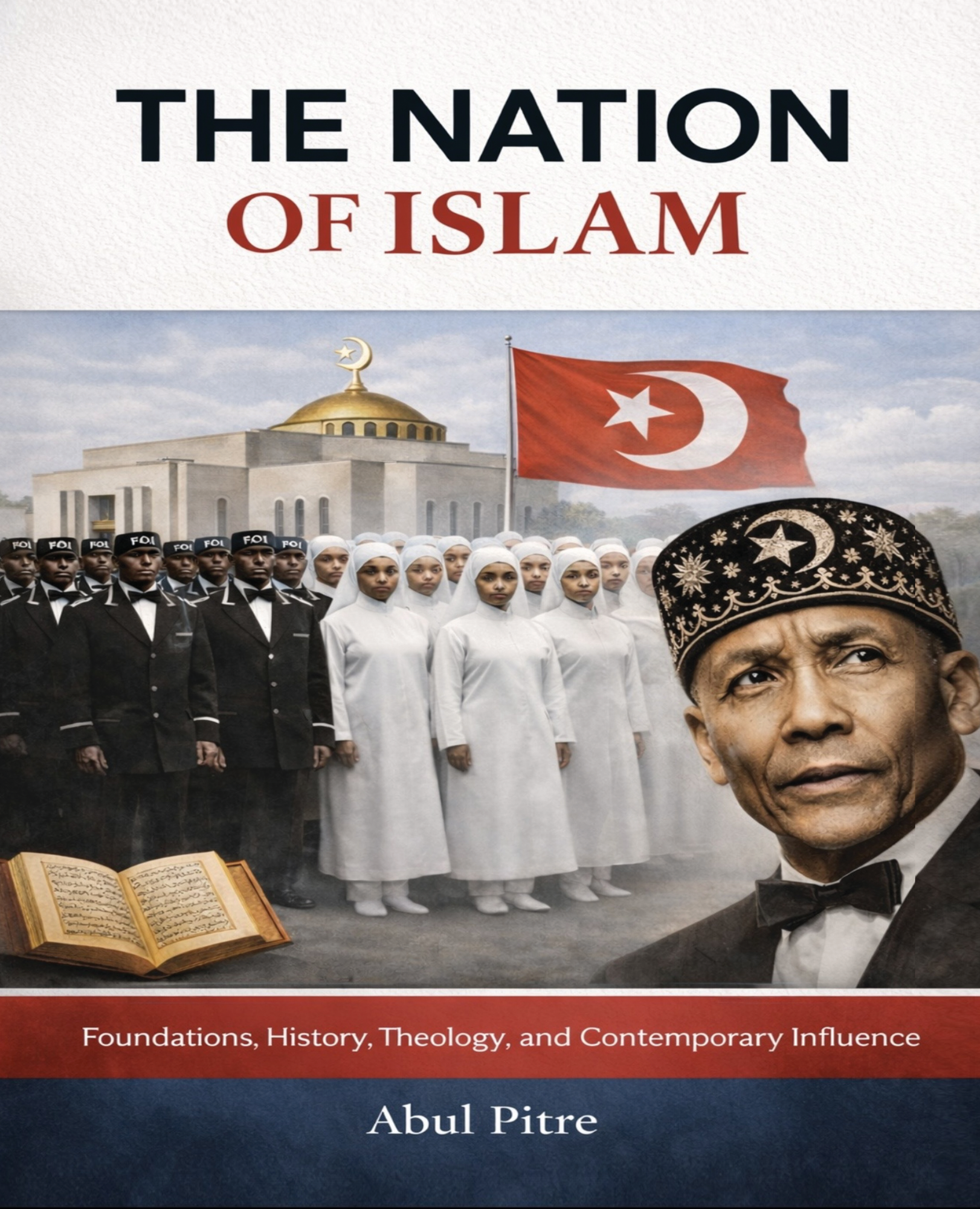
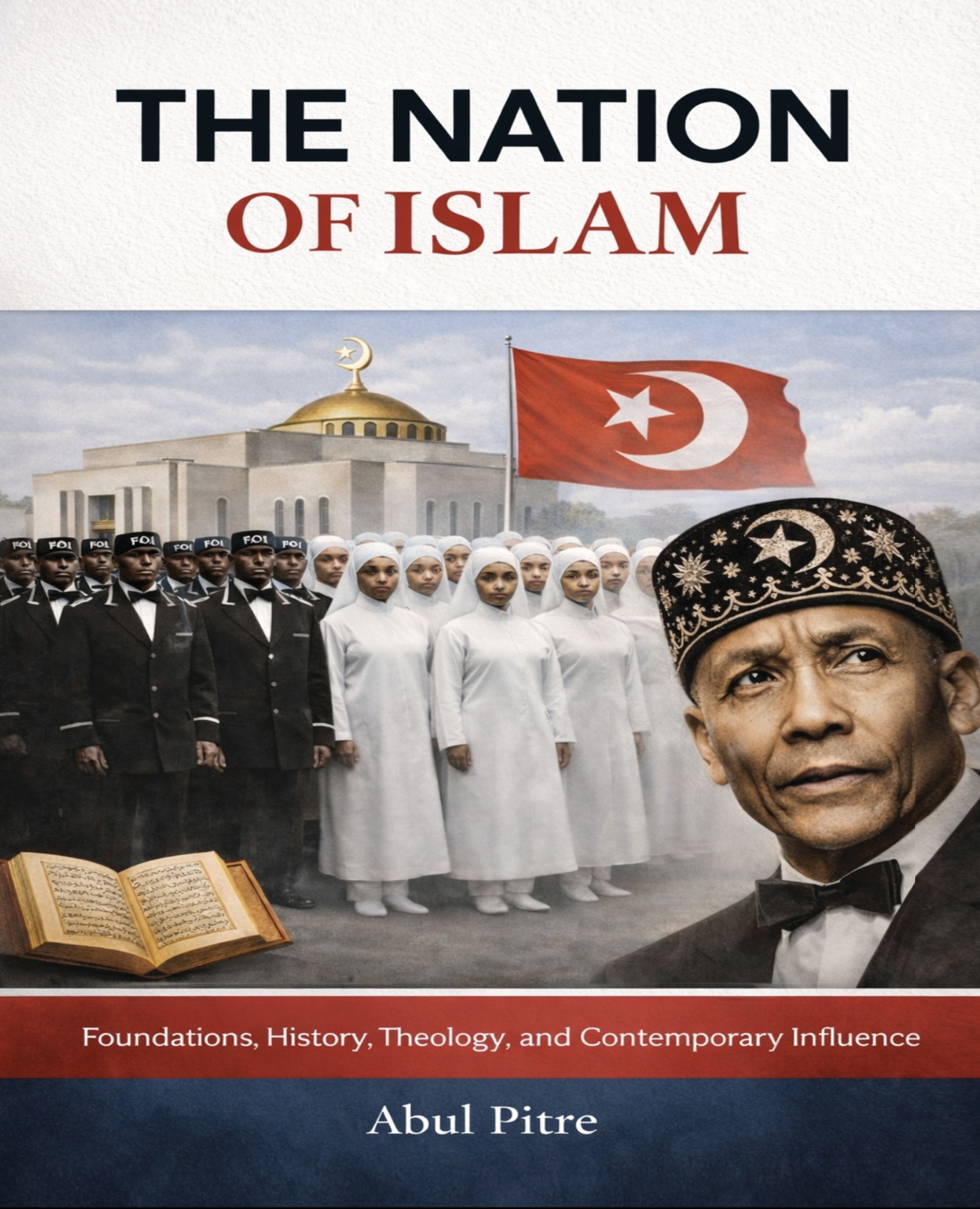
The Nation of Islam: Foundations, History, Theology, and Contemporary Influence
Edition: 1
Copyright: 2026
Pages: 180
Edition: 1
Copyright: 2026
Pages: 181
Choose Your Format
$34.99 USD
Ebook
$22.99 USD
The Nation of Islam is one of the most influential religious and social movements in modern African American history. For nearly a century, it has shaped debates about religion, racial identity, self-determination, and Black nationhood in the United States and beyond. Despite its historical significance, the movement is often misunderstood or examined through narrow historical frameworks.
The Nation of Islam: Foundations, History, Theology, and Contemporary Influence offers a comprehensive introduction to the origins, teachings, and historical development of the Nation of Islam. Beginning with the appearance of Master Fard Muhammad and the leadership of the Honorable Elijah Muhammad, the book examines the movement's theological ideas, institutional development, educational philosophy, and global cultural influence.
Drawing on historical scholarship and primary sources, this text situates the Nation of Islam within the broader traditions of Africana intellectual thought and Black liberation movements. Written for both students and general readers, it provides a clear framework for understanding one of the most significant religious and social movements of the twentieth and twenty-first centuries.
Key Features Of The Book:
- Comprehensive History & Teaching
- Leadership of Elijah Muhammad
- Theology & Philosophical Foundations
- Education & Nation Building
- Cultural Impact & Hip-Hop
- Contemporary Relevance

Dr. Abul Pitre is a scholar of Africana Studies whose research examines Black intellectual traditions, liberation pedagogy, and educational transformation. His work explores how education functions as a process of intellectual awakening and collective empowerment within African diasporic communities.
The Nation of Islam is one of the most influential religious and social movements in modern African American history. For nearly a century, it has shaped debates about religion, racial identity, self-determination, and Black nationhood in the United States and beyond. Despite its historical significance, the movement is often misunderstood or examined through narrow historical frameworks.
The Nation of Islam: Foundations, History, Theology, and Contemporary Influence offers a comprehensive introduction to the origins, teachings, and historical development of the Nation of Islam. Beginning with the appearance of Master Fard Muhammad and the leadership of the Honorable Elijah Muhammad, the book examines the movement's theological ideas, institutional development, educational philosophy, and global cultural influence.
Drawing on historical scholarship and primary sources, this text situates the Nation of Islam within the broader traditions of Africana intellectual thought and Black liberation movements. Written for both students and general readers, it provides a clear framework for understanding one of the most significant religious and social movements of the twentieth and twenty-first centuries.
Key Features Of The Book:
- Comprehensive History & Teaching
- Leadership of Elijah Muhammad
- Theology & Philosophical Foundations
- Education & Nation Building
- Cultural Impact & Hip-Hop
- Contemporary Relevance
Dr. Abul Pitre is a scholar of Africana Studies whose research examines Black intellectual traditions, liberation pedagogy, and educational transformation. His work explores how education functions as a process of intellectual awakening and collective empowerment within African diasporic communities.