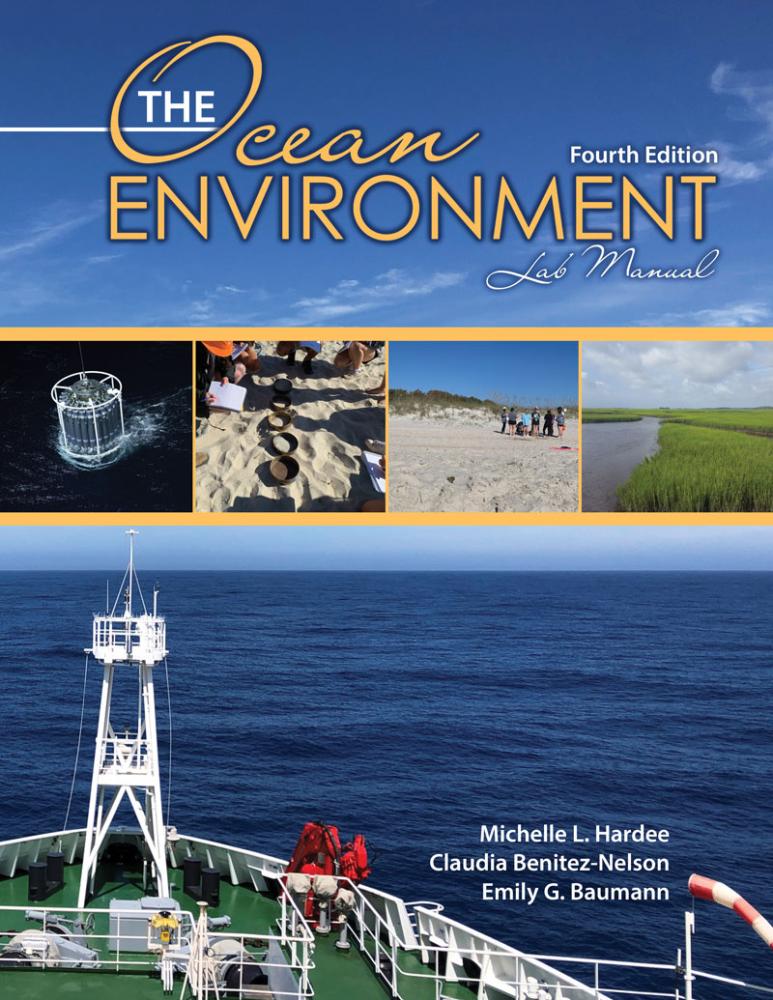
The Ocean Environment Lab Manual
Edition: 4
Copyright: 2022
Pages: 226
Edition: 4
Copyright: 2022
Pages: 226
Choose Your Format
$74.97 USD
Ebook
$37.49 USD
The Ocean Environment Lab Manual is a comprehensive laboratory guide that introduces students to the physical, geological, chemical, and biological processes that shape Earth's oceans. Through a combination of laboratory investigations, data analysis, field observations, and hands-on activities, students develop practical skills while exploring the dynamic nature of marine environments. The manual emphasizes scientific inquiry and the interpretation of real-world oceanographic data, helping students connect classroom concepts with the complex systems that govern the world's oceans.
The exercises cover a wide range of oceanographic topics, including seafloor geology, plate tectonics, thermohaline circulation, salinity, dissolved oxygen, surface currents, hurricanes, nutrients, coastal processes, and tidal patterns. A field trip component provides opportunities to observe coastal ecosystems firsthand, while appendices offer guidance on laboratory report writing, scientific calculations, and data analysis using Microsoft Excel. By integrating laboratory techniques with environmental investigation, the manual prepares students to understand the processes that influence marine ecosystems and the vital role oceans play in Earth's climate and environmental systems.
LABORATORY POLICIES AND PROCEDURES
LAB 1 Navigation and Bathymetry
LAB 2 Part I Minerals
Part II Igneous Rocks
Part III Sedimentary Rocks
Part IV Metamorphic Rocks
LAB 3 Introduction to the Seafloor and Plate Tectonics
LAB 4 Seafloor Spreading and Data Analysis
LAB 5 Thermohaline Circulation and Density
LAB 6 Salinity and Dissolved Oxygen
LAB 7 Part I Surface Currents
Part II Hurricanes
LAB 8 Nutrients and CDOM
LAB 9 Waves and Coastal Processes
LAB 10 Tidal Pattern Discovery and Tide Charts
FIELD TRIP LAB Coasts and Salt Marshes Field Trip and Lab Report
APPENDIX A Conversions Review and Worksheet
APPENDIX B A Brief Guide to Microsoft Excel
APPENDIX C Writing a Laboratory Report
SOURCES
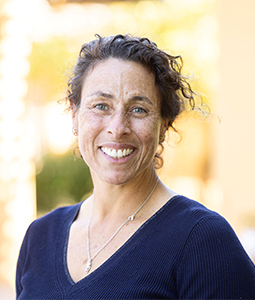
Claudia R. Benitez-Nelson is a Carolina Distinguished Professor and Endowed Chair in Marine Studies in the McCausland College of Arts & Sciences at the University of South Carolina, where she also serves as Senior Associate Dean for College Initiatives and Interdisciplinary Programs. She is a leading oceanographer whose research spans marine geochemistry, biogeochemistry, climate change, coastal processes, oceanography, water resources, and environmental policy.
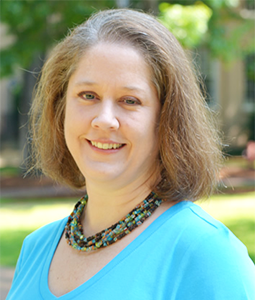
Throughout her 30-year teaching career, Hardee has been actively involved in marine science education and teacher training. Receiving her Ph.D. in Marine Science from the University of South Carolina, she teaches the Honors section of the Marine Science Program’s Oceans and Society course every semester, and in 2023 she was awarded the South Carolina Honors College 2023 Outstanding Faculty Award in this role. She is an active member of the Professional and Organizational Developers (POD) Network, which is the international professional group for educational developers, and the National Academy of Geoscience Teachers. Outside of her professional role, Hardee enjoys beachcombing, jewelry-making, and spending time hiking and walking with her dog, Lola.
The Ocean Environment Lab Manual is a comprehensive laboratory guide that introduces students to the physical, geological, chemical, and biological processes that shape Earth's oceans. Through a combination of laboratory investigations, data analysis, field observations, and hands-on activities, students develop practical skills while exploring the dynamic nature of marine environments. The manual emphasizes scientific inquiry and the interpretation of real-world oceanographic data, helping students connect classroom concepts with the complex systems that govern the world's oceans.
The exercises cover a wide range of oceanographic topics, including seafloor geology, plate tectonics, thermohaline circulation, salinity, dissolved oxygen, surface currents, hurricanes, nutrients, coastal processes, and tidal patterns. A field trip component provides opportunities to observe coastal ecosystems firsthand, while appendices offer guidance on laboratory report writing, scientific calculations, and data analysis using Microsoft Excel. By integrating laboratory techniques with environmental investigation, the manual prepares students to understand the processes that influence marine ecosystems and the vital role oceans play in Earth's climate and environmental systems.
LABORATORY POLICIES AND PROCEDURES
LAB 1 Navigation and Bathymetry
LAB 2 Part I Minerals
Part II Igneous Rocks
Part III Sedimentary Rocks
Part IV Metamorphic Rocks
LAB 3 Introduction to the Seafloor and Plate Tectonics
LAB 4 Seafloor Spreading and Data Analysis
LAB 5 Thermohaline Circulation and Density
LAB 6 Salinity and Dissolved Oxygen
LAB 7 Part I Surface Currents
Part II Hurricanes
LAB 8 Nutrients and CDOM
LAB 9 Waves and Coastal Processes
LAB 10 Tidal Pattern Discovery and Tide Charts
FIELD TRIP LAB Coasts and Salt Marshes Field Trip and Lab Report
APPENDIX A Conversions Review and Worksheet
APPENDIX B A Brief Guide to Microsoft Excel
APPENDIX C Writing a Laboratory Report
SOURCES
Claudia R. Benitez-Nelson is a Carolina Distinguished Professor and Endowed Chair in Marine Studies in the McCausland College of Arts & Sciences at the University of South Carolina, where she also serves as Senior Associate Dean for College Initiatives and Interdisciplinary Programs. She is a leading oceanographer whose research spans marine geochemistry, biogeochemistry, climate change, coastal processes, oceanography, water resources, and environmental policy.
Throughout her 30-year teaching career, Hardee has been actively involved in marine science education and teacher training. Receiving her Ph.D. in Marine Science from the University of South Carolina, she teaches the Honors section of the Marine Science Program’s Oceans and Society course every semester, and in 2023 she was awarded the South Carolina Honors College 2023 Outstanding Faculty Award in this role. She is an active member of the Professional and Organizational Developers (POD) Network, which is the international professional group for educational developers, and the National Academy of Geoscience Teachers. Outside of her professional role, Hardee enjoys beachcombing, jewelry-making, and spending time hiking and walking with her dog, Lola.