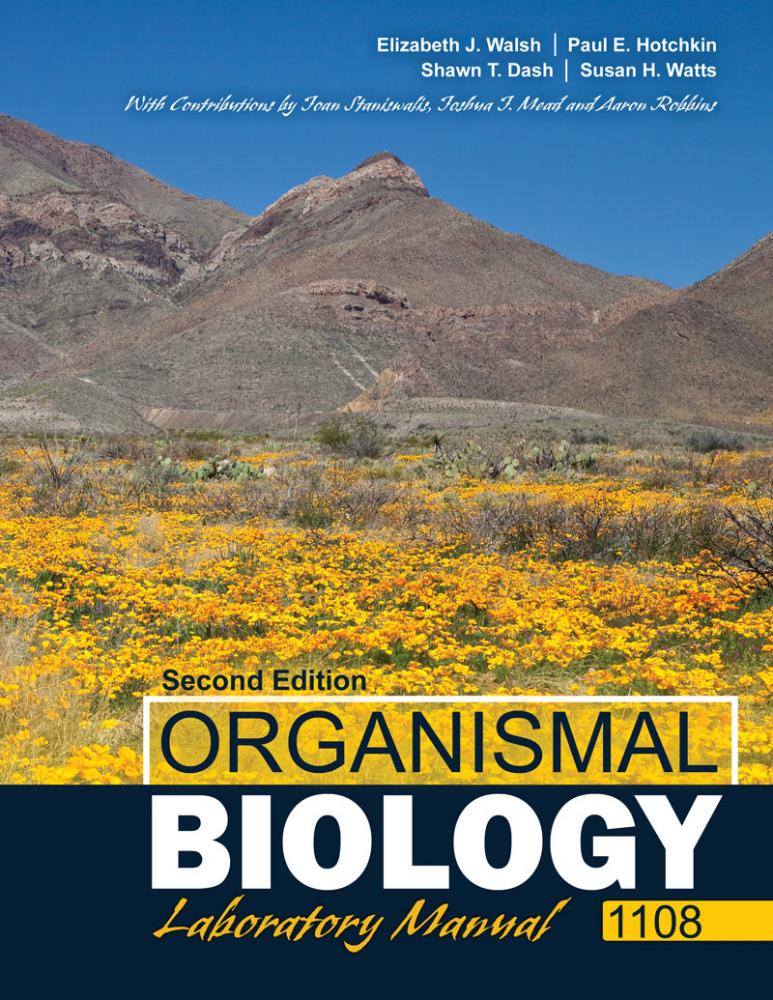
Organismal Biology 1108: Laboratory Manual
Edition: 2
Copyright: 2013
Pages: 134
Edition: 2
Copyright: 2013
Pages: 134
Choose Your Format
Choose Your Platform | Help Me Choose


$50.94 USD
Ebook
$38.20 USD
The Organismal Biology 1108: Laboratory Manual provides students with hands-on laboratory experiences that explore the diversity of life, biological organization, and the scientific methods used to study living organisms. Beginning with an introduction to biology, statistics, and essential laboratory skills, the manual guides students through the study of prokaryotes, protists, fungi, plants, arthropods, and animal ecology while emphasizing the evolutionary relationships that connect all forms of life. Through inquiry-based investigations and scientific observation, students gain a practical understanding of biological concepts and the processes that shape living systems.
Throughout the manual, students develop laboratory and analytical skills by conducting experiments in microbiology, ecology, genetics, systematics, bioinformatics, and symbiotic relationships. Activities such as chi-square analysis, species identification, ecological investigations, and the use of bioinformatics tools encourage critical thinking, data analysis, and scientific communication. By integrating laboratory techniques with biological theory, the manual prepares students for advanced coursework and careers in biology, environmental science, ecology, healthcare, and other life science disciplines.
Chapter 1: Introduction to Biology 1108 and Statistics Primer
Chapter 2: Introduction to Prokaryotes
Chapter 3: Learning the Professional Skills of a Successful Scientist
Chapter 4: Aquatic Eukaryote Microbiota: Protists and Rotifers
Chapter 5: Symbiosis
Chapter 6: Arthropods: Manduca Biology and Systems Ecology
Chapter 7: Pollination: Chi-Square Exercise
Chapter 8: Fungi
Chapter 9: Plants 1 and 2 with Systematics
Chapter 10: Wolves, Coyotes, and Hybrids: Investigating Animal Relationships
Using Bioinformatics Tools
Appendix 1: Laboratory Skills: Scientific Notation and the Metric System
Appendix 2: Alternative Laboratory: Vertebrates and Human Ecology
Ph.D. in Environmental Biology, University of Nevada, Las Vegas (1992)
B.S. in Animal Biology, University of Nevada, Las Vegas (1983)
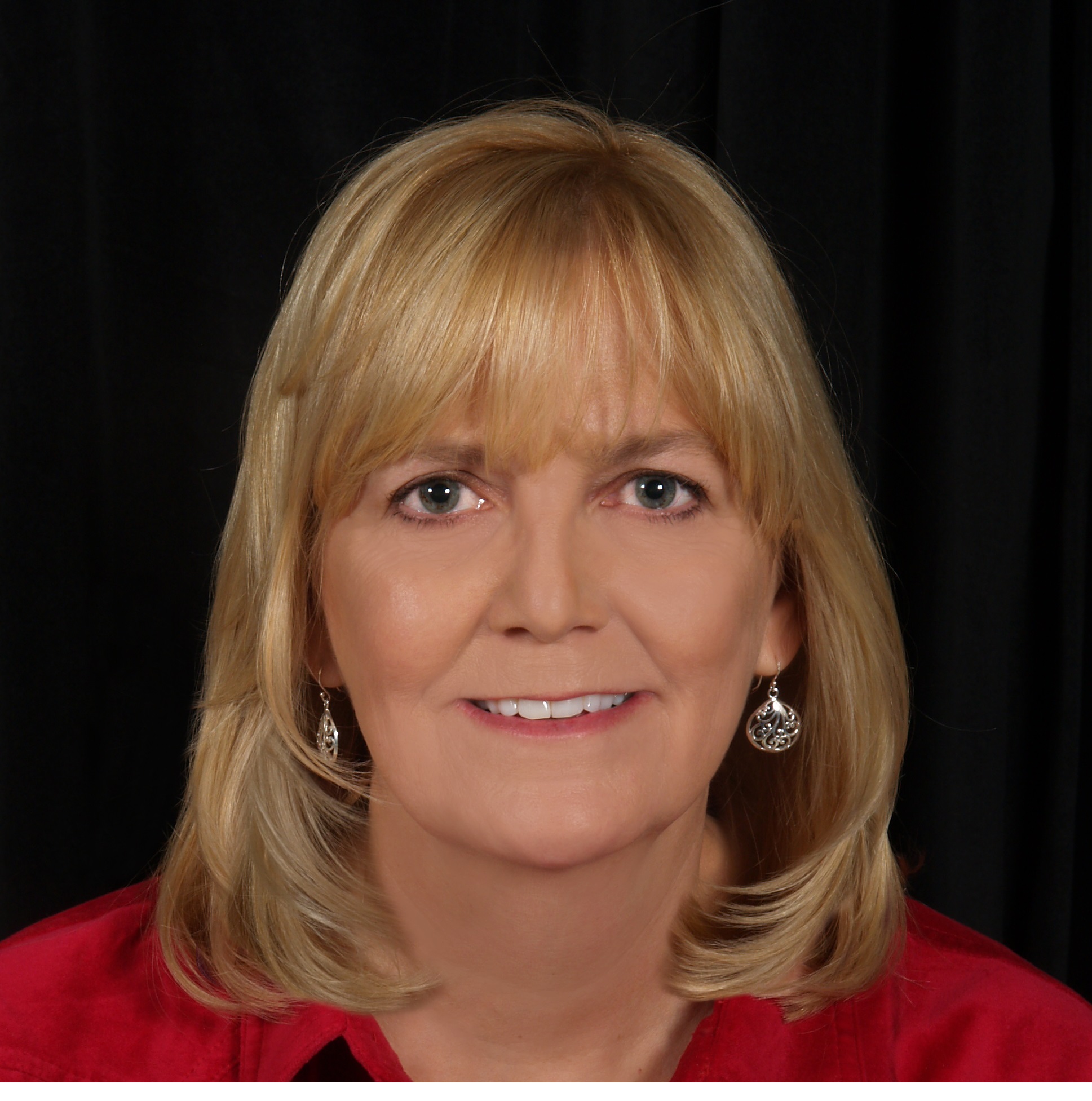
Elizabeth J. Walsh is a Professor of Biological Sciences at the University of Texas at El Paso (UTEP), where she serves as Interim Dean of the College of Science and holds the Steven McKnight Distinguished Professorship in Biological Sciences. Her research spans evolution and ecology of aquatic invertebrates, particularly rotifers, environmental science, and bioinformatics.
Undergraduate: University of Texas at El Paso (UTEP) – Biological Sciences
Graduate: Master’s degree in Biological Sciences from UTEP; Ph.D. in Ecology and Evolution from Rutgers, The State University of New Jersey
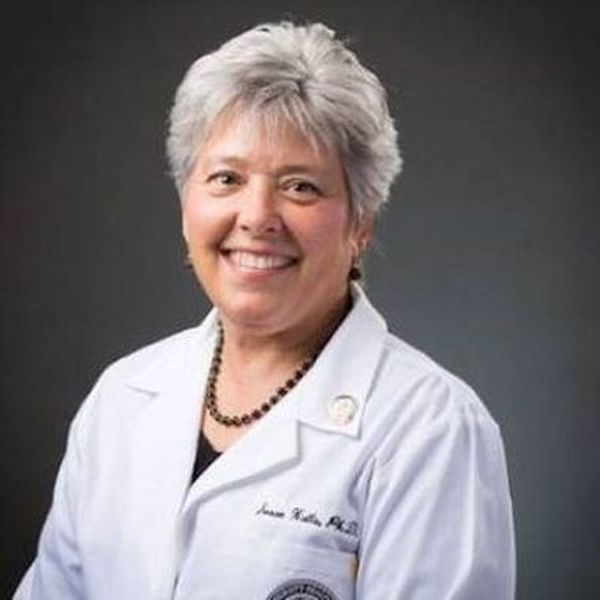
Dr. Susan Watts, Ph.D. is an Associate Professor and Director of Research in the Department of Emergency Medicine at Texas Tech University Health Sciences Center El Paso (TTUHSC). She serves as a Senior Clinical Research Associate in the Paul L. Foster School of Medicine’s Department of Emergency Medicine.
Ph.D. in Ecology and Evolutionary Biology (Pathobiology-Evolutionary Biology), University of Texas at El Paso, 2005–2011
M.Sc. in Entomology, Louisiana State University, 2002–2004
B.Sc. in Entomology and Wildlife Ecology (double major), University of Delaware, 1998–2002
Dr. Shawn T. Dash, Ph.D. is an Assistant Professor of Biological Sciences at Hampton University in Hampton, Virginia, where he specializes in myrmecology (the study of ants) and invertebrate zoology. He has been studying ants for over two decades, with a focus on understanding their role in ecosystem structure and function, especially in urban habitats.
Paul Hotchkin is a Biology Professor and Science Educator with extensive experience in higher education and applied science. He earned his Master of Science in Biology from the University of Texas at El Paso (UTEP) in 2002. His academic background has informed a career spanning both university-level teaching and applied science roles.
The Organismal Biology 1108: Laboratory Manual provides students with hands-on laboratory experiences that explore the diversity of life, biological organization, and the scientific methods used to study living organisms. Beginning with an introduction to biology, statistics, and essential laboratory skills, the manual guides students through the study of prokaryotes, protists, fungi, plants, arthropods, and animal ecology while emphasizing the evolutionary relationships that connect all forms of life. Through inquiry-based investigations and scientific observation, students gain a practical understanding of biological concepts and the processes that shape living systems.
Throughout the manual, students develop laboratory and analytical skills by conducting experiments in microbiology, ecology, genetics, systematics, bioinformatics, and symbiotic relationships. Activities such as chi-square analysis, species identification, ecological investigations, and the use of bioinformatics tools encourage critical thinking, data analysis, and scientific communication. By integrating laboratory techniques with biological theory, the manual prepares students for advanced coursework and careers in biology, environmental science, ecology, healthcare, and other life science disciplines.
Chapter 1: Introduction to Biology 1108 and Statistics Primer
Chapter 2: Introduction to Prokaryotes
Chapter 3: Learning the Professional Skills of a Successful Scientist
Chapter 4: Aquatic Eukaryote Microbiota: Protists and Rotifers
Chapter 5: Symbiosis
Chapter 6: Arthropods: Manduca Biology and Systems Ecology
Chapter 7: Pollination: Chi-Square Exercise
Chapter 8: Fungi
Chapter 9: Plants 1 and 2 with Systematics
Chapter 10: Wolves, Coyotes, and Hybrids: Investigating Animal Relationships
Using Bioinformatics Tools
Appendix 1: Laboratory Skills: Scientific Notation and the Metric System
Appendix 2: Alternative Laboratory: Vertebrates and Human Ecology
Ph.D. in Environmental Biology, University of Nevada, Las Vegas (1992)
B.S. in Animal Biology, University of Nevada, Las Vegas (1983)
Elizabeth J. Walsh is a Professor of Biological Sciences at the University of Texas at El Paso (UTEP), where she serves as Interim Dean of the College of Science and holds the Steven McKnight Distinguished Professorship in Biological Sciences. Her research spans evolution and ecology of aquatic invertebrates, particularly rotifers, environmental science, and bioinformatics.
Undergraduate: University of Texas at El Paso (UTEP) – Biological Sciences
Graduate: Master’s degree in Biological Sciences from UTEP; Ph.D. in Ecology and Evolution from Rutgers, The State University of New Jersey
Dr. Susan Watts, Ph.D. is an Associate Professor and Director of Research in the Department of Emergency Medicine at Texas Tech University Health Sciences Center El Paso (TTUHSC). She serves as a Senior Clinical Research Associate in the Paul L. Foster School of Medicine’s Department of Emergency Medicine.
Ph.D. in Ecology and Evolutionary Biology (Pathobiology-Evolutionary Biology), University of Texas at El Paso, 2005–2011
M.Sc. in Entomology, Louisiana State University, 2002–2004
B.Sc. in Entomology and Wildlife Ecology (double major), University of Delaware, 1998–2002
Dr. Shawn T. Dash, Ph.D. is an Assistant Professor of Biological Sciences at Hampton University in Hampton, Virginia, where he specializes in myrmecology (the study of ants) and invertebrate zoology. He has been studying ants for over two decades, with a focus on understanding their role in ecosystem structure and function, especially in urban habitats.
Paul Hotchkin is a Biology Professor and Science Educator with extensive experience in higher education and applied science. He earned his Master of Science in Biology from the University of Texas at El Paso (UTEP) in 2002. His academic background has informed a career spanning both university-level teaching and applied science roles.