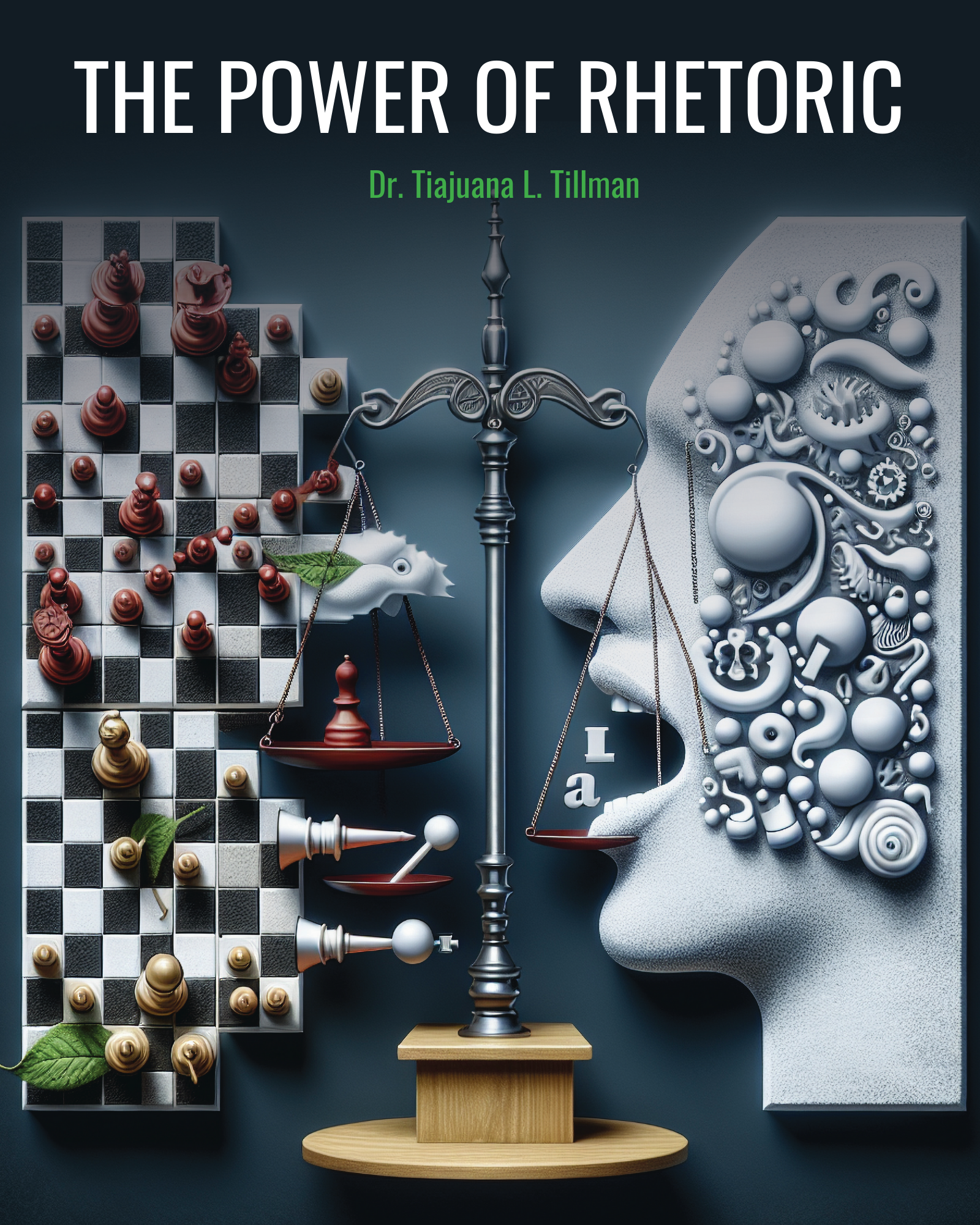
The Power of Rhetoric
Edition: 1
Copyright: 2026
Pages: 220
Edition: 1
Copyright: 2026
Pages: 200
Choose Your Format
$40.00 USD
Ebook
$30.00 USD
The Power of Rhetoric: Challenges Faced When Growing with Authenticity is your essential guide to understanding how language shapes thought, influence, and action across every area of communication. Designed as a dynamic college workbook, it explores the foundations of rhetorical reading and writing, helping you analyze texts with sharper insight and to craft arguments with clarity and purpose. From business writing and professional communication to the careful logic behind technical correspondence, this book shows how rhetorical principles operate in both every day and high stakes contexts. You’ll also explore logical fallacies, learn to identify flawed reasoning, and study the philosophers whose ideas built the discipline of rhetoric—from classical theorists to modern thinkers who continue to shape our understanding of persuasion.
What makes The Power of Rhetoric uniquely valuable is its focus on real world application, including a dedicated look at rhetorical activism and the ways individuals use rhetoric to create change. Through guided activities, models, and practical exercises, this workbook helps you develop skills that extend far beyond the classroom: persuasive writing, critical thinking, clear communication, and strategic analysis. Built to support you through college and well into your professional life, this workbook isn’t just a semester resource—it’s a long-term companion for navigating communication challenges, strengthening your voice, and understanding the persuasive forces at work in our world for many years to come.
Engaging Rhetorical Reading and Writing Learning Activities {L.A.}15
L.A. 1: Audience Profile Analysis Pt. 1
Worksheets and Writing checklist
L.A. 2: Writing for Multiple Audiences Pt. 2
Topic Options for Student Essays
L.A. 3: Cultural Context in Text Interpretation
L.A. 4: Audience Reaction Role Play
L.A. 5: Personal Narrative for a Community
L.A. 6: Comparative Editorial Analysis
L.A. 7: Visual Rhetoric and Diverse Audiences
L.A. 8: Writing for a Social Justice Audience
L.A. 9: Audience Feedback Reflection
L.A. 10: Analyzing Rhetoric in Multilingual Contexts
L.A. 11: Genre and Audience
L.A. 12: Empathy through Rhetorical Listening
L.A. 13: Rhetorical Strategies in Social Movements
L.A. 14: Writing to Address Stereotypes
L.A. 15: Reflective Metacognition on Audience
Technical Writing Learning Activities {L.A.}10
L.A. 1: Analyzing Technical Manuals
L.A. 2: Writing Clear Instructions
L.A. 3: Summarizing Technical Texts
L.A. 4: Creating Visual Aids
L.A. 5: Writing for Different Audiences
L.A. 6: Editing for Conciseness
L.A. 7: Evaluating Technical Jargon
L.A. 8: Writing a Technical Report Abstract
L.A. 9: Using Headings and Formatting
L.A. 10: Peer Review for Technical Writing
Logical Fallacy Riddles 15
Fallacy Reflection Prompt
Rhetorical Writing & Activism
Rhetorical Activism Learning Activities {L.A.}10
L.A. 1: Mapping Personal Rhetorical Roots
L.A. 2: Rhetoric in the Streets
L.A. 3: Voices of Change: Analyzing Diverse Activist Speeches
L.A. 4: Counter-Narratives & Story Reclamation
L.A. 5: Hashtag Rhetoric: Activism in 280 Characters
L.A. 6: Th e Ethics of Representation
L.A. 7: Coalition-Building Dialogue Simulation
L.A. 8: Rhetorical Remix Project
L.A. 9: Local Issue Op-Ed
L.A. 10: Reflective Manifesto: My Rhetorical Activism
Rhetorical Business Writing~Learning Activities {L.A.} 15
L.A. 1: Th e Global Communicator Map
L.A. 2: Th e Rhetoric of Corporate Values
L.A. 3: Inclusive Email Communication Lab
L.A. 4: Intercultural Business Case Study
L.A. 5: Th e Rhetoric of Leadership: Voices that Move People
L.A. 6: Writing for the Future of Work (AI, Hybrid, and Global)
L.A. 7: Persuasion with Purpose ~ Socially Responsible Business
L.A. 8: Th e Art of Feedback: Giving and Receiving with Respect
L.A. 9: Crisis Communication and Reputation Management
L.A. 10: Th e Professional Voice Manifesto
L.A. 11: Writing Across Cultures in a Hybrid Workplace
L.A. 12: Ethical Persuasion in AI-Assisted Business Writing
L.A. 13: Inclusive Policy Writing for Diverse Workforces
L.A. 14: Strategic Storytelling for Global Stakeholders
L.A. 15: Crisis Communication in a Networked World
Exercises in Rhetoric, Authenticity, and the Philosophy of Persuasion 25
1. The Socratic Dialogue of the Digital Age
2. Aristotle’s Three Appeals and the 21st-Century Influencer
3. Authentic Ethos: Beyond Performance
4. The Rhetoric of Silence
5. The Logical Fallacy Autopsy
6. Socratic Self-Examination Journal
7. The Ethics of Persuasion Symposium
8. Aristotle vs. The Algorithm
9. Plato’s Philosopher-Rhetor: Truth as Persuasion
10. The Fallacy in the Feed
11. The Confucian Speaker in a Fragmented World
12. Socratic Dissonance: The Courage to Question
13. The Modern Agora Project
14. The Rhetoric of Responsibility
15. The Authenticity Thesis
16. Confucian Harmony and the Ethics of Expression
17. Kant’s Categorical Imperative and the Rhetoric of Duty
18. Plato’s Allegory of the Cave: Th e Rhetoric of Illusion
19. Logos in Leadership
20. The Rhetorical Autobiography
21. Hobbes and the Rhetoric of Fear
22. Cicero and the Ethical Orator
23. Judith Butler and Performed Persuasion
24. Derrida and the Instability of Meaning
25. Foucault and Persuasion as Power
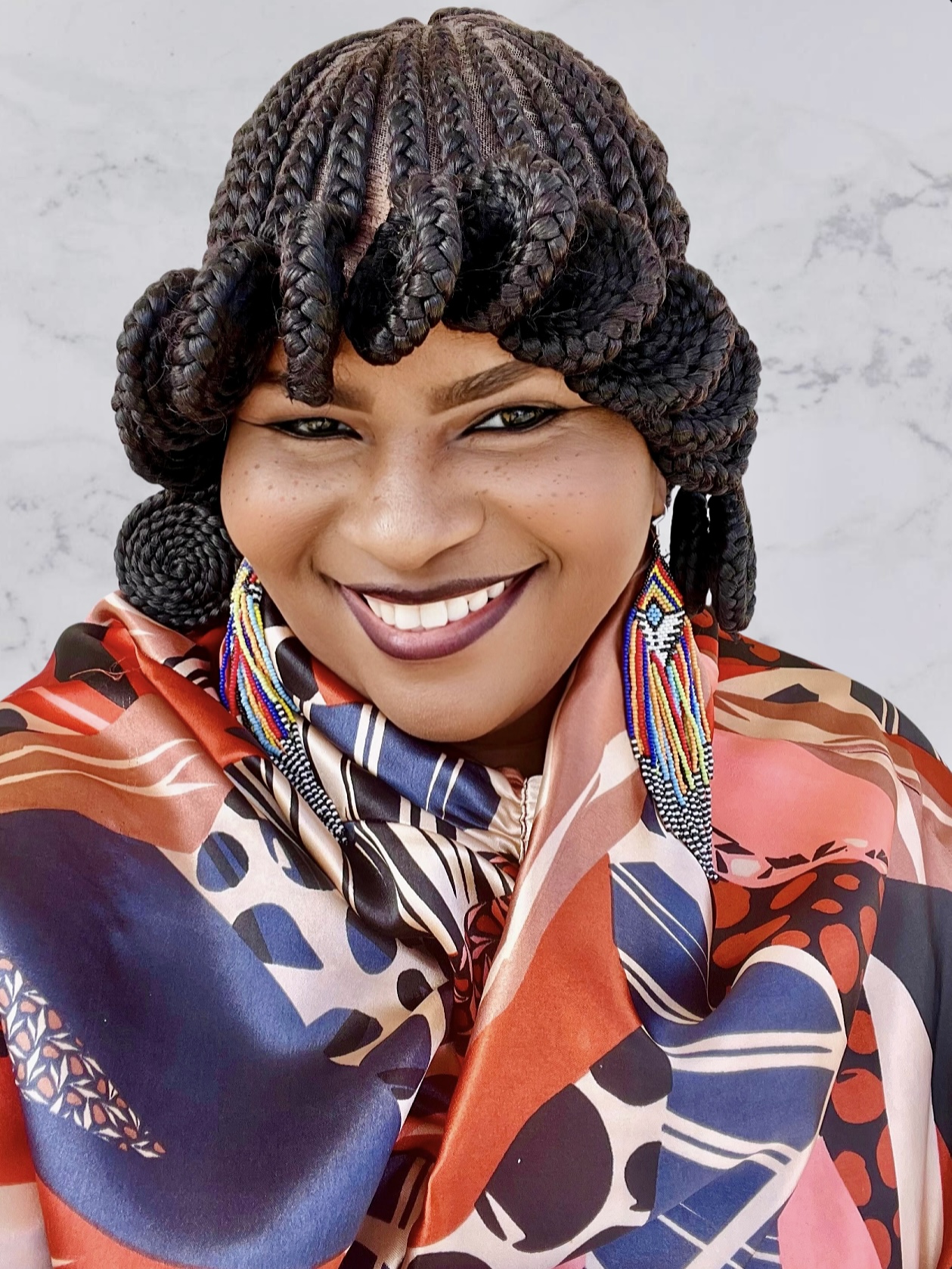
Dr. Tiajuana L. Tillman is an Afro. Am.-Indigenous woman of Blackfeet and Cherokee Native descent. Born and raised in Washington, D.C., she has travelled the world as an international Professor. Dr. Tillman is a scholar dedicated to amplifying unheard voices across diverse communities and lived experiences. Holding a Ph.D., MBA, and Master’s degree, she bridges academia, advocacy, and leadership with purpose and integrity. Her work centers equity, representation, and the transformative power of inclusive storytelling. As she provides a platform—for thee underrepresented—within higher education, she remains true to her existential identity, law reform activism, and advocacy for dismantling stigmas, discrimination, and hate crimes against BIPOC as well as persons within the 2sLGBTQIA+ community.
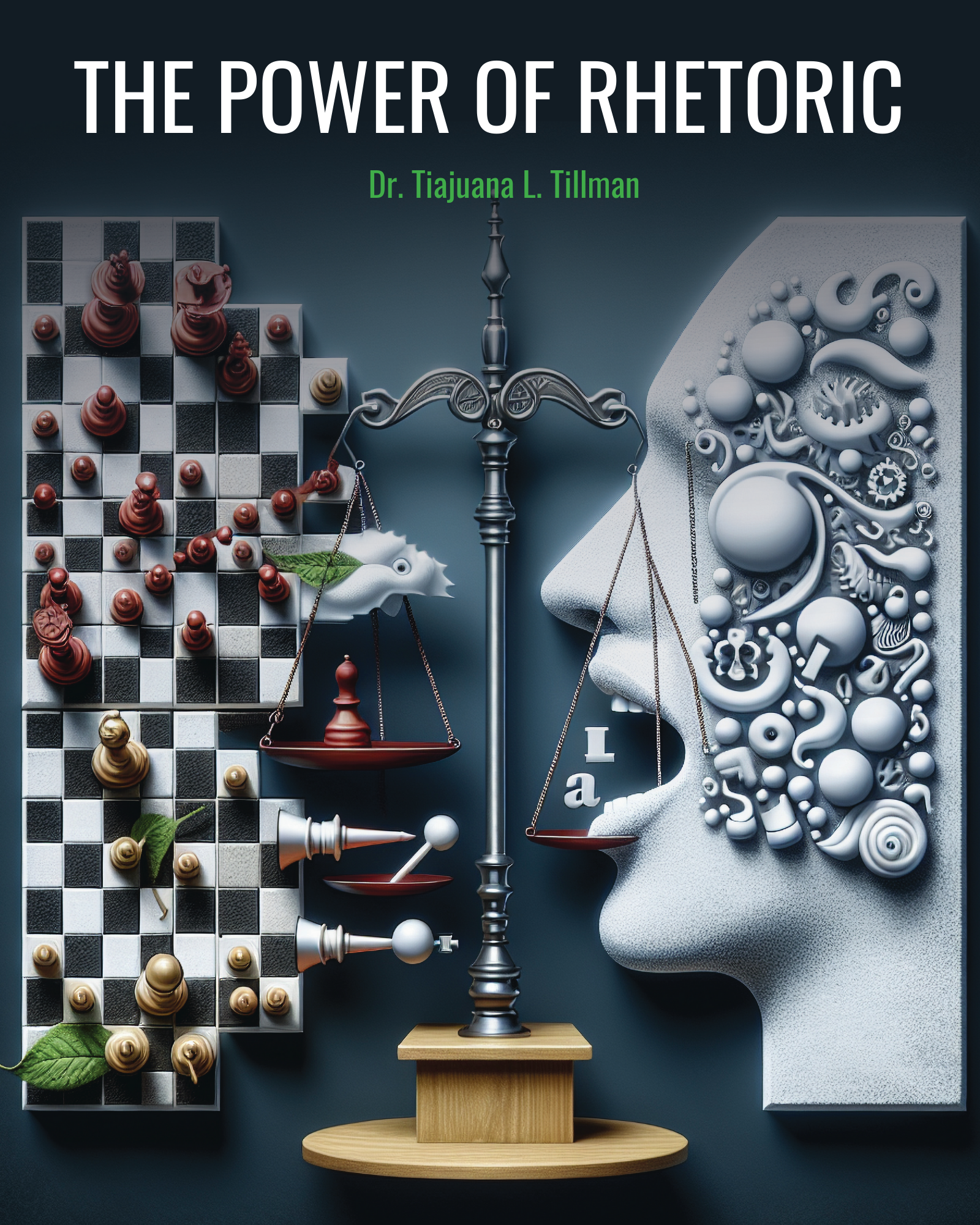
The Power of Rhetoric: Challenges Faced When Growing with Authenticity is your essential guide to understanding how language shapes thought, influence, and action across every area of communication. Designed as a dynamic college workbook, it explores the foundations of rhetorical reading and writing, helping you analyze texts with sharper insight and to craft arguments with clarity and purpose. From business writing and professional communication to the careful logic behind technical correspondence, this book shows how rhetorical principles operate in both every day and high stakes contexts. You’ll also explore logical fallacies, learn to identify flawed reasoning, and study the philosophers whose ideas built the discipline of rhetoric—from classical theorists to modern thinkers who continue to shape our understanding of persuasion.
What makes The Power of Rhetoric uniquely valuable is its focus on real world application, including a dedicated look at rhetorical activism and the ways individuals use rhetoric to create change. Through guided activities, models, and practical exercises, this workbook helps you develop skills that extend far beyond the classroom: persuasive writing, critical thinking, clear communication, and strategic analysis. Built to support you through college and well into your professional life, this workbook isn’t just a semester resource—it’s a long-term companion for navigating communication challenges, strengthening your voice, and understanding the persuasive forces at work in our world for many years to come.
Engaging Rhetorical Reading and Writing Learning Activities {L.A.}15
L.A. 1: Audience Profile Analysis Pt. 1
Worksheets and Writing checklist
L.A. 2: Writing for Multiple Audiences Pt. 2
Topic Options for Student Essays
L.A. 3: Cultural Context in Text Interpretation
L.A. 4: Audience Reaction Role Play
L.A. 5: Personal Narrative for a Community
L.A. 6: Comparative Editorial Analysis
L.A. 7: Visual Rhetoric and Diverse Audiences
L.A. 8: Writing for a Social Justice Audience
L.A. 9: Audience Feedback Reflection
L.A. 10: Analyzing Rhetoric in Multilingual Contexts
L.A. 11: Genre and Audience
L.A. 12: Empathy through Rhetorical Listening
L.A. 13: Rhetorical Strategies in Social Movements
L.A. 14: Writing to Address Stereotypes
L.A. 15: Reflective Metacognition on Audience
Technical Writing Learning Activities {L.A.}10
L.A. 1: Analyzing Technical Manuals
L.A. 2: Writing Clear Instructions
L.A. 3: Summarizing Technical Texts
L.A. 4: Creating Visual Aids
L.A. 5: Writing for Different Audiences
L.A. 6: Editing for Conciseness
L.A. 7: Evaluating Technical Jargon
L.A. 8: Writing a Technical Report Abstract
L.A. 9: Using Headings and Formatting
L.A. 10: Peer Review for Technical Writing
Logical Fallacy Riddles 15
Fallacy Reflection Prompt
Rhetorical Writing & Activism
Rhetorical Activism Learning Activities {L.A.}10
L.A. 1: Mapping Personal Rhetorical Roots
L.A. 2: Rhetoric in the Streets
L.A. 3: Voices of Change: Analyzing Diverse Activist Speeches
L.A. 4: Counter-Narratives & Story Reclamation
L.A. 5: Hashtag Rhetoric: Activism in 280 Characters
L.A. 6: Th e Ethics of Representation
L.A. 7: Coalition-Building Dialogue Simulation
L.A. 8: Rhetorical Remix Project
L.A. 9: Local Issue Op-Ed
L.A. 10: Reflective Manifesto: My Rhetorical Activism
Rhetorical Business Writing~Learning Activities {L.A.} 15
L.A. 1: Th e Global Communicator Map
L.A. 2: Th e Rhetoric of Corporate Values
L.A. 3: Inclusive Email Communication Lab
L.A. 4: Intercultural Business Case Study
L.A. 5: Th e Rhetoric of Leadership: Voices that Move People
L.A. 6: Writing for the Future of Work (AI, Hybrid, and Global)
L.A. 7: Persuasion with Purpose ~ Socially Responsible Business
L.A. 8: Th e Art of Feedback: Giving and Receiving with Respect
L.A. 9: Crisis Communication and Reputation Management
L.A. 10: Th e Professional Voice Manifesto
L.A. 11: Writing Across Cultures in a Hybrid Workplace
L.A. 12: Ethical Persuasion in AI-Assisted Business Writing
L.A. 13: Inclusive Policy Writing for Diverse Workforces
L.A. 14: Strategic Storytelling for Global Stakeholders
L.A. 15: Crisis Communication in a Networked World
Exercises in Rhetoric, Authenticity, and the Philosophy of Persuasion 25
1. The Socratic Dialogue of the Digital Age
2. Aristotle’s Three Appeals and the 21st-Century Influencer
3. Authentic Ethos: Beyond Performance
4. The Rhetoric of Silence
5. The Logical Fallacy Autopsy
6. Socratic Self-Examination Journal
7. The Ethics of Persuasion Symposium
8. Aristotle vs. The Algorithm
9. Plato’s Philosopher-Rhetor: Truth as Persuasion
10. The Fallacy in the Feed
11. The Confucian Speaker in a Fragmented World
12. Socratic Dissonance: The Courage to Question
13. The Modern Agora Project
14. The Rhetoric of Responsibility
15. The Authenticity Thesis
16. Confucian Harmony and the Ethics of Expression
17. Kant’s Categorical Imperative and the Rhetoric of Duty
18. Plato’s Allegory of the Cave: Th e Rhetoric of Illusion
19. Logos in Leadership
20. The Rhetorical Autobiography
21. Hobbes and the Rhetoric of Fear
22. Cicero and the Ethical Orator
23. Judith Butler and Performed Persuasion
24. Derrida and the Instability of Meaning
25. Foucault and Persuasion as Power
Dr. Tiajuana L. Tillman is an Afro. Am.-Indigenous woman of Blackfeet and Cherokee Native descent. Born and raised in Washington, D.C., she has travelled the world as an international Professor. Dr. Tillman is a scholar dedicated to amplifying unheard voices across diverse communities and lived experiences. Holding a Ph.D., MBA, and Master’s degree, she bridges academia, advocacy, and leadership with purpose and integrity. Her work centers equity, representation, and the transformative power of inclusive storytelling. As she provides a platform—for thee underrepresented—within higher education, she remains true to her existential identity, law reform activism, and advocacy for dismantling stigmas, discrimination, and hate crimes against BIPOC as well as persons within the 2sLGBTQIA+ community.