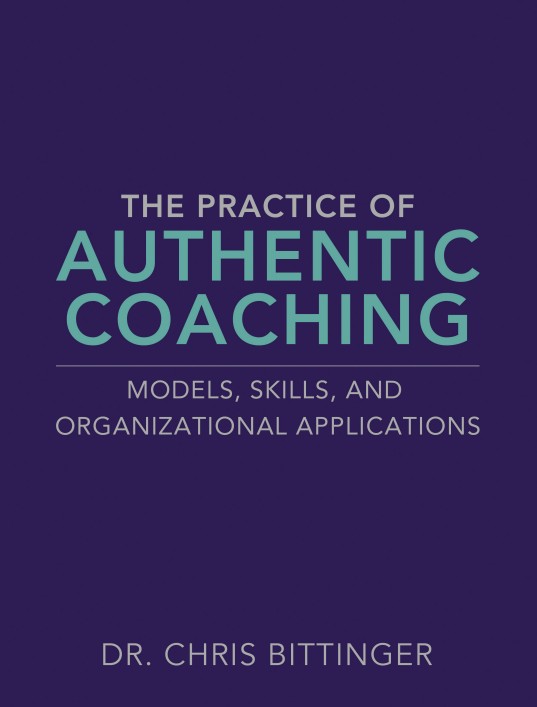
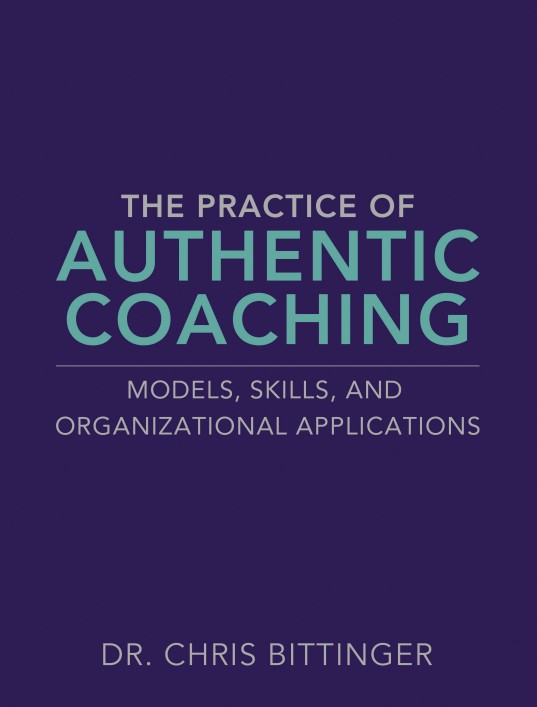
The Practice of Authentic Coaching: Models, Skills, and Organizational Applications
Edition: 1
Copyright: 2026
Pages: 184
Edition: 1
Copyright: 2026
Pages: 184
Choose Your Format
Ebook
$60.00 USD
$80.00 USD
The Practice of Authentic Coaching: Models, Skills, and Organizational Applications
Unleash the transformational power of coaching in your organization by developing the one instrument that matters the most: yourself. Blending personal stories, client examples and practical tools, this book will help you embrace the essence of your own authentic and powerful self as you navigate various situations your clients face.
ABOUT THE AUTHOR
INTRODUCTION
Elementary School and Middle School Careers
College Career Stop
First Job Out of College
IT Consulting Career
Insurance Sales Career
President/Founder of Open Pivot
Teaching at Purdue Career Stop
How to Read This Textbook: An Experiential Approach to Coaching and Mentoring
Before You Get Started
The History of Coaching
Principle
Coaching
Counseling
Instructor Activities: Defining and Exploring Helping Roles
Practice—Examine Case Study 1 or Case Study 2
Reflection
Score Your Results
Extended Practice Case Study 1: What Does the Client Need?
CHAPTER 1 Coaching from Your Story
Principle: Define Your Coaching Story
Using Your Story to Embrace Your Weaknesses
Using Your Story to Break the Cycle
Stories From Great Leaders Inform How We Will Coach
Principle: Core Values
Observation: Case Study
Practice: Case Study
Principle: Intrinsic Motivation and Meaning Is Essential
Practice: Case Study Coaching Questions Focused on Motivation and Meaning
Reflection: Connecting Values, Motivation, and Story
Instructor Activities
CHAPTER 2 Coaching Through Conflict
Introduction to Conflict: Client Stories
Principle: Conflict Defined
The Second Half of the Story
Observation: Reaction Versus Reality Tool
Practice: Reaction Versus Reality Coaching
Reflection: Conflict Resolution Our Part
Application: Ways to Resolve Conflict
Principle: Role-Play
Observation: Sally’s Example
Principle: Skill Practice
Principle: Conflict Resolution Preparation
Application: Relationship Audit Activity
Application: Conflict Resolution Tool #1
CHAPTER 3 Coaching Through Stress and Burnout
Principle: Stress Versus Burnout
Stress Coping
Observation: Stress Coping
Practice: Stress Coping Classroom Activity
Reflection: Write Your Responses to Following Activity
Application: Stress Analysis Tool
Principle: Coaching Through Burnout
Reflection: Case Study
Principles: Coaching the Burned-Out Leader
CHAPTER 4 Coaching With Presence
Introduction
Listening
Tonality
Observation: Body Language
Image: Presence Matters
Attachment
Principle: Be Here, Not There
Distraction Point 1: Phone
Distraction Point 2: Your Mind
Emotional Intelligence
Practice 1: Awareness Activity
Practice 2: Observing Facial Expressions
Practice 3: Active Empathetic Listening Scale
Reflection [PDF assignment]
Application: Mindfulness Skill-Building Activity
CHAPTER 5 Coaching Through Emotional Triangles
Introduction
Principle: Emotional Triangle
Observation: Examples of Emotional Triangle
Image 1: Emotional Triangle
Illustration 2: The Gossip Triangle
Illustration 3: Motivation Triangle
Illustration 4: The Coaching Pyramid
Practice 1: Create Your Triangles [PDF worksheet]
Principle: Methods Coaches Can Use to Avoid the Triangle
Method 1: Contracting Boundary-Setting Method
Method 2 Emotional Boundaries: The Tennis Method
Method Objectivity
Method of Developmental Frames
Observation: Competencies to Assist Clients in Navigating Emotional Triangles
Practice 2: Building Your Cadre of Questions
Reflection 1: Image-Gathering Exercise
Reflection 2: Client Scenario
Application: Triangles in Real Life
Application: Boundaries in Coaching [PDF]
CHAPTER 6 Coaching the Anxious
Introduction
Principle: Defining Anxiety
Principle: Common Causes of Anxiety for Leaders
Observation: Case Study—IT: Anxiety Coping
Activity: Human Coach, AI Coach, and Anxiety
Practice: Anxiety: An Overview of Assessment Data
Principle: Anxiety Factors in Coaching
Anxiety Factor 1: The Learning Curve
Anxiety Factor 2: Lack of Certainty/Dealing with Change
Image: Change Data—Center for Creative Leadership and Tony Schwartz
Reflection: Hogan Assessment Activity
Application: Practicing Coaching Tools to Support Leaders with Anxiety
Tool 1: Shared Silence—Mindfulness
Tool 2: Anxiety or Anticipation
Tool 3: Worst-Case Scenario Planning
Tool 4: The Anxiety Accepter
See the Following Example
CHAPTER 7 Coaching the Emerging Leader
Introduction
Principles: Coaching Builds Confidence in the Emerging Leader
Coaches Building Self-Efficacy in Leaders
Observation: What a Good Coach Does—Case Study
What a Good Coach Does
Practice: Superhero Super Beliefs
Reflection: Belief Audit
Application: Applying Coaching Techniques to Support the Emerging Leader
Conclusion
CHAPTER 8 Coaching the Stuck
Introduction
Career Coaching
Career Mentoring
Principle 1: Career Coaching to Get Unstuck
Principle 2: Your Career Is Like a Concert
Principle 3: A Great Career Emphasizes Interests Versus Passion
Observation: The Careers of the Famous—Taylor Swift or Bill Gates
Practice: The Competencies of Coach’s Working with The Stuck
Reflection: The Exploratory Interview (Appendix Tool 6)
Career Leader
Application 1: Coaching Career Profile Tool
CHAPTER 9 Coaching Through Limiting Beliefs
Introduction
Principle: Mindsets Inform Our Behavior
The Coaching Mindset
Empowering Versus Limiting Beliefs
Dynamic Tension 5: Gap Versus Gain
Practice: Barbie’s Beliefs
Observation: “He Will Never Change”
Reflection: Resonate Mindset [PDF]
Application: Exploring Your Beliefs
CHAPTER 10 Coaching the Team
Introduction
Principle: Team Coaching
Group Coaching
Group Dynamics
Tavistock Methodology
Personality Roles and Functional Roles
Coaching Skills to Engage In Group Dynamics
Observation: Team Profiles
Coaching Engagement Phases
Observation: Group or Team?
Practice: Q-Storming
Reflection: Q-Storming [PDF Tear-Out]
Application: Coaching Cluster Activity
Conclusion
CHAPTER 11 Coaching With Artificial Intelligence
Introduction
Image: The New Employee Learning Journey
Principle: Artificial Intelligence Coaching Defined
Coaching Supervision Using Artificial Intelligence
GROW Coaching Model and Artificial Intelligence
Observation: What AI Chatbots Should and Should Not Do
Case Study
Observation: Case Study 1—Artificial Intelligence and the New Employee Learning Journey
Observation Case Study 2: Startup Client—Artificial Intelligence Coaching
CHAPTER 12 Coaching Within and Outside an Organization
Introduction
Principle: Internal Coaching
External Coaching
Principle: Comparing and Contrasting Internal and External Coaches
Disadvantage of Internal Coaches
Advantages of External Coaches
Disadvantages of External Coaching
Observation: Advantages and Disadvantages of External and Internal Coaching
Program Design
Practice: Design an Internal Coaching Case for Support
Reflection: Internal or External—You as the Coach
Application: External Versus Internal Coaching Matrix
APPENDIX 1 The Coaching Tool Kit
Tool 1: Technical Expert to Leader
Tool 2: 4-D Exercise
Tool 3: Ninety-Day Onboarding Plan
Tool 4: 1:1 Guide
Tool 5: Stress Audit Tool
Tool 6: Career Exploratory Interview
Tool 7: Behavior Scorecard—Triggers Marshall Goldsmith
Tool 8: Team Coaching Evaluation Tool—Plus and Delta
Tool 9: Team Evaluation—Post-Team Coaching Session
Tool 10: Coaching Profile Tool
Tool 11: Team Coaching—Team Charter
Delivery Leadership Team Charter
Values/Guiding Principles
Meeting Norms
What We Will Accomplish
Tool 14: Leading Through Change—Stakeholder Matrix
Tool 15: Situation Analysis Tools
Tool 16: Leadership Competency Assessment
Tool 17: Issue Processing Tool
Tool 18: 100 Jobs Exercise
APPENDIX 2 2025 International Coaching Federation Coaching Competencies
APPENDIX 3 International Coaching Federation Ethical Guidelines

Chris is an assistant professor of practice at Purdue University. Chris teaches coaching, leadership and project management courses at Purdue. Chris is the owner and founder of Open Pivot Inc., which delivers professional training, coaching and strategic planning. Chris has successfully coached over 1000 individuals, focusing on emerging leaders, managers, sales leaders and college students.
With over 20 years of experience, Chris leverages this experience to consult with many types of industries including professional services, non-profit, legal, construction and manufacturing. The vision of Open Pivot is to see leader’s flourish.
Chris holds a BS in Education from Butler University and a Master of Business Administration from Indiana Wesleyan University. In 2023, Chris received his doctorate from the University of Pennsylvania. His research explored the influence of executive coaching on an executive leader’s ability to manage stress and mitigate burnout. He is certified with Hogan Leadership Assessments, M.G Rush Workshop Facilitation and the Strong Interest Inventory. Chris received his coaching credentialing through the Columbia Coaching Certification Program and has obtained the Associate Certified Coach through the International Coaching Federation. Chris released the book The Practice of Authentic Coaching published by Kendall Hunt in 2026.
Publications:
The Burnout Pandemic: How Hiring A Coach Could Be Your Lifesaver
8 Ways Coaching Equips Leaders For Rapid Change
Contact Information:
Chris Bittinger
cnbittin@purdue.edu
The Practice of Authentic Coaching: Models, Skills, and Organizational Applications
Unleash the transformational power of coaching in your organization by developing the one instrument that matters the most: yourself. Blending personal stories, client examples and practical tools, this book will help you embrace the essence of your own authentic and powerful self as you navigate various situations your clients face.
ABOUT THE AUTHOR
INTRODUCTION
Elementary School and Middle School Careers
College Career Stop
First Job Out of College
IT Consulting Career
Insurance Sales Career
President/Founder of Open Pivot
Teaching at Purdue Career Stop
How to Read This Textbook: An Experiential Approach to Coaching and Mentoring
Before You Get Started
The History of Coaching
Principle
Coaching
Counseling
Instructor Activities: Defining and Exploring Helping Roles
Practice—Examine Case Study 1 or Case Study 2
Reflection
Score Your Results
Extended Practice Case Study 1: What Does the Client Need?
CHAPTER 1 Coaching from Your Story
Principle: Define Your Coaching Story
Using Your Story to Embrace Your Weaknesses
Using Your Story to Break the Cycle
Stories From Great Leaders Inform How We Will Coach
Principle: Core Values
Observation: Case Study
Practice: Case Study
Principle: Intrinsic Motivation and Meaning Is Essential
Practice: Case Study Coaching Questions Focused on Motivation and Meaning
Reflection: Connecting Values, Motivation, and Story
Instructor Activities
CHAPTER 2 Coaching Through Conflict
Introduction to Conflict: Client Stories
Principle: Conflict Defined
The Second Half of the Story
Observation: Reaction Versus Reality Tool
Practice: Reaction Versus Reality Coaching
Reflection: Conflict Resolution Our Part
Application: Ways to Resolve Conflict
Principle: Role-Play
Observation: Sally’s Example
Principle: Skill Practice
Principle: Conflict Resolution Preparation
Application: Relationship Audit Activity
Application: Conflict Resolution Tool #1
CHAPTER 3 Coaching Through Stress and Burnout
Principle: Stress Versus Burnout
Stress Coping
Observation: Stress Coping
Practice: Stress Coping Classroom Activity
Reflection: Write Your Responses to Following Activity
Application: Stress Analysis Tool
Principle: Coaching Through Burnout
Reflection: Case Study
Principles: Coaching the Burned-Out Leader
CHAPTER 4 Coaching With Presence
Introduction
Listening
Tonality
Observation: Body Language
Image: Presence Matters
Attachment
Principle: Be Here, Not There
Distraction Point 1: Phone
Distraction Point 2: Your Mind
Emotional Intelligence
Practice 1: Awareness Activity
Practice 2: Observing Facial Expressions
Practice 3: Active Empathetic Listening Scale
Reflection [PDF assignment]
Application: Mindfulness Skill-Building Activity
CHAPTER 5 Coaching Through Emotional Triangles
Introduction
Principle: Emotional Triangle
Observation: Examples of Emotional Triangle
Image 1: Emotional Triangle
Illustration 2: The Gossip Triangle
Illustration 3: Motivation Triangle
Illustration 4: The Coaching Pyramid
Practice 1: Create Your Triangles [PDF worksheet]
Principle: Methods Coaches Can Use to Avoid the Triangle
Method 1: Contracting Boundary-Setting Method
Method 2 Emotional Boundaries: The Tennis Method
Method Objectivity
Method of Developmental Frames
Observation: Competencies to Assist Clients in Navigating Emotional Triangles
Practice 2: Building Your Cadre of Questions
Reflection 1: Image-Gathering Exercise
Reflection 2: Client Scenario
Application: Triangles in Real Life
Application: Boundaries in Coaching [PDF]
CHAPTER 6 Coaching the Anxious
Introduction
Principle: Defining Anxiety
Principle: Common Causes of Anxiety for Leaders
Observation: Case Study—IT: Anxiety Coping
Activity: Human Coach, AI Coach, and Anxiety
Practice: Anxiety: An Overview of Assessment Data
Principle: Anxiety Factors in Coaching
Anxiety Factor 1: The Learning Curve
Anxiety Factor 2: Lack of Certainty/Dealing with Change
Image: Change Data—Center for Creative Leadership and Tony Schwartz
Reflection: Hogan Assessment Activity
Application: Practicing Coaching Tools to Support Leaders with Anxiety
Tool 1: Shared Silence—Mindfulness
Tool 2: Anxiety or Anticipation
Tool 3: Worst-Case Scenario Planning
Tool 4: The Anxiety Accepter
See the Following Example
CHAPTER 7 Coaching the Emerging Leader
Introduction
Principles: Coaching Builds Confidence in the Emerging Leader
Coaches Building Self-Efficacy in Leaders
Observation: What a Good Coach Does—Case Study
What a Good Coach Does
Practice: Superhero Super Beliefs
Reflection: Belief Audit
Application: Applying Coaching Techniques to Support the Emerging Leader
Conclusion
CHAPTER 8 Coaching the Stuck
Introduction
Career Coaching
Career Mentoring
Principle 1: Career Coaching to Get Unstuck
Principle 2: Your Career Is Like a Concert
Principle 3: A Great Career Emphasizes Interests Versus Passion
Observation: The Careers of the Famous—Taylor Swift or Bill Gates
Practice: The Competencies of Coach’s Working with The Stuck
Reflection: The Exploratory Interview (Appendix Tool 6)
Career Leader
Application 1: Coaching Career Profile Tool
CHAPTER 9 Coaching Through Limiting Beliefs
Introduction
Principle: Mindsets Inform Our Behavior
The Coaching Mindset
Empowering Versus Limiting Beliefs
Dynamic Tension 5: Gap Versus Gain
Practice: Barbie’s Beliefs
Observation: “He Will Never Change”
Reflection: Resonate Mindset [PDF]
Application: Exploring Your Beliefs
CHAPTER 10 Coaching the Team
Introduction
Principle: Team Coaching
Group Coaching
Group Dynamics
Tavistock Methodology
Personality Roles and Functional Roles
Coaching Skills to Engage In Group Dynamics
Observation: Team Profiles
Coaching Engagement Phases
Observation: Group or Team?
Practice: Q-Storming
Reflection: Q-Storming [PDF Tear-Out]
Application: Coaching Cluster Activity
Conclusion
CHAPTER 11 Coaching With Artificial Intelligence
Introduction
Image: The New Employee Learning Journey
Principle: Artificial Intelligence Coaching Defined
Coaching Supervision Using Artificial Intelligence
GROW Coaching Model and Artificial Intelligence
Observation: What AI Chatbots Should and Should Not Do
Case Study
Observation: Case Study 1—Artificial Intelligence and the New Employee Learning Journey
Observation Case Study 2: Startup Client—Artificial Intelligence Coaching
CHAPTER 12 Coaching Within and Outside an Organization
Introduction
Principle: Internal Coaching
External Coaching
Principle: Comparing and Contrasting Internal and External Coaches
Disadvantage of Internal Coaches
Advantages of External Coaches
Disadvantages of External Coaching
Observation: Advantages and Disadvantages of External and Internal Coaching
Program Design
Practice: Design an Internal Coaching Case for Support
Reflection: Internal or External—You as the Coach
Application: External Versus Internal Coaching Matrix
APPENDIX 1 The Coaching Tool Kit
Tool 1: Technical Expert to Leader
Tool 2: 4-D Exercise
Tool 3: Ninety-Day Onboarding Plan
Tool 4: 1:1 Guide
Tool 5: Stress Audit Tool
Tool 6: Career Exploratory Interview
Tool 7: Behavior Scorecard—Triggers Marshall Goldsmith
Tool 8: Team Coaching Evaluation Tool—Plus and Delta
Tool 9: Team Evaluation—Post-Team Coaching Session
Tool 10: Coaching Profile Tool
Tool 11: Team Coaching—Team Charter
Delivery Leadership Team Charter
Values/Guiding Principles
Meeting Norms
What We Will Accomplish
Tool 14: Leading Through Change—Stakeholder Matrix
Tool 15: Situation Analysis Tools
Tool 16: Leadership Competency Assessment
Tool 17: Issue Processing Tool
Tool 18: 100 Jobs Exercise
APPENDIX 2 2025 International Coaching Federation Coaching Competencies
APPENDIX 3 International Coaching Federation Ethical Guidelines
Chris is an assistant professor of practice at Purdue University. Chris teaches coaching, leadership and project management courses at Purdue. Chris is the owner and founder of Open Pivot Inc., which delivers professional training, coaching and strategic planning. Chris has successfully coached over 1000 individuals, focusing on emerging leaders, managers, sales leaders and college students.
With over 20 years of experience, Chris leverages this experience to consult with many types of industries including professional services, non-profit, legal, construction and manufacturing. The vision of Open Pivot is to see leader’s flourish.
Chris holds a BS in Education from Butler University and a Master of Business Administration from Indiana Wesleyan University. In 2023, Chris received his doctorate from the University of Pennsylvania. His research explored the influence of executive coaching on an executive leader’s ability to manage stress and mitigate burnout. He is certified with Hogan Leadership Assessments, M.G Rush Workshop Facilitation and the Strong Interest Inventory. Chris received his coaching credentialing through the Columbia Coaching Certification Program and has obtained the Associate Certified Coach through the International Coaching Federation. Chris released the book The Practice of Authentic Coaching published by Kendall Hunt in 2026.
Publications:
The Burnout Pandemic: How Hiring A Coach Could Be Your Lifesaver
8 Ways Coaching Equips Leaders For Rapid Change
Contact Information:
Chris Bittinger
cnbittin@purdue.edu