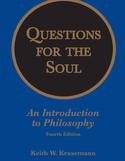
Questions for the Soul

Author(s): KEITH W KRASEMANN

Choose Your Format

"This book is intended as an introduction to philosophy. It is a thoughtful collection of writings on different philosophical discourses by different philosophers. The book presents philosophy as sustained reflection on the questions that most profoundly and deeply concern the life of a human being in the context of concrete life experiences. In addition, the collective writings in this book attempts to expand the possible answers to life's fundamental questions by locating the questions within the scope of world philosophies. Includes selections from writers of a broad spectrum of topics, times and places.


The approach to philosophy in this book is thematic. It looks at philosophy's value and then considers, in order, the basic questions of being, knowledge, truth, goodness, beauty, God, freedom, immortality, and meaning. Many classic philosophical texts are included in the book, as well as interesting and relevant recent non-philosophical writings. An index of the philosophers along with selected quotations has also been included in this text.


Questions for the Soul: Introduction to Philosophy sets out critical questions, key ideas, and important quotations within each selection have been set in boldface type, to help the reader more easily identify central philosophical problems, grasp the main point(s) of the various essays, and quickly be able to locate some of the most significant and oft quoted passages in the history of human thought."

Preface  

Chapter I: Philosophy’s Value: Wisdom and Insight  

Reading Philosophy at Night  

Charles Simic  

Wisdom  

Alfred North Whitehead  

Stories of Chuang Tzu and Hui Tzu  

Arthur Waley  

What Is Enlightenment?  

Immanuel Kant  

The Apology  

Plato  

Life in the Woods  

Henry David Thoreau  

Feminism, Feelings, and Philosophy  

Morwenna Griffiths  

Philosophical Thinking in India, China, and Japan  

Michael C. Brannigan  

Is There an African Philosophy?  

Innocent Onyewuenyi  

The Value of Philosophy  

Bertrand Russell

Chapter II: Being  

from Siddhartha  

Hermann Hesse  

Tao-Te Ching  

Lao Tzu

The Pre-Socratic Philosophers  

Thales  

Anaximander  

Anaximenes  

Heraclitus  

Parmenides  

Zeno  

Empedocles  

Anaxagoras  

Democritus  

Pythagoras

Two Tables  

Sir Arthur Eddington  

Reality Consists of Ideas  

George Berkeley  

The Crest-Jewel of Discrimination  

Shankara

Chapter III: Knowledge  

Knowledge Is Recollection  

Plato  

The Divided Line  

Plato

The Allegory of the Cave  

Plato  

from Meditations on First Philosophy  

René Descartes  

What Is Indubitable?  

René Descartes  

Scepticism  

David Hume  

An Empiricist Theory of Knowledge

John Locke  

The Problem of Induction  

David Hume

Is the Sex of the Knower Epistemologically Significant?  

Lorraine Code  

Practice and Contradiction  

Mao Tse-Tung

Chapter IV: Truth  

Truth as Correspondence  

Bertrand Russell  

Truth Is Established by Coherence  

Francis H. Bradley  

Pragmatism’s Conception of Truth  

William James  

The Subjective Truth  

Sφren Kierkegaard  

On the Essence of Truth  

Martin Heidegger

from Cultural Gaps: Why Do We Misunderstand?  

Isamu Nagami

Chapter V: Goodness 

Story of a Good Brahman  

Voltaire  

Work, Nonattachment, and Wisdom  

from Bhagavad Gita  

from The Analects of Confucius  

On Cultivation of Character  

Yahya ibn cAdi  

Human Nature Is Evil  

Xunzi  

Virtue and Happiness  

Aristotle  

Friendship  

Aristotle

A Good Will  

Immanuel Kant  

from Utilitarianism  

John Stuart Mill  

The Idea of a Female Ethic  

Jean Grimshaw  

Ambition

J. Krishnamurti  

Ethics Are Relative  

Ruth Benedict

Chapter VI: Beauty  

Letters to a Young Poet  

Rainer Maria Rilke  

The Form of Beauty  

Plato  

On Beauty and Ugliness

Friedrich Nietzsche  

Apollo and Dionysus  

Friedrich Nietzsche  

What Is Art? 

Leo Tolstoy 

The Work of Art in the Age of Mechanical Reproduction  

Walter Benjamin  

On Elegance in Japan  

Barbara Sandrisser  

Chinese Aesthetics  

Kuang-Ming Wu

Chapter VII: God  

The Ontological Argument  

Saint Anselm and Gaunilon  

The Teleological Argument  

William Paley

The Five Ways  

Saint Thomas Aquinas  

The Wager  

Blaise Pascal  

The Leap of Faith  

Sφren Kierkegaard  

The Will to Believe  

William James  

Agnosticism  

T. H. Huxley  

The Problem of Evil  

John Hick

Chapter VIII: Freedom  

Fate  

Richard Taylor  

Determinism  

Baron d’Holbach  

Karma and Freedom  

Sarvepalli Radhakrishnan  

Absolute Freedom  

Jean Paul Sartre  

The Legend of the Grand Inquisitor  

Feodor Dostoyevsky  

Freedom and the Control of Men  

B. F. Skinner  

Choice and Human Dignity  

Viktor Frankl  

Freedom and Inner Strength  

Rollo May

Chapter IX: Immortality  

The Wine Is in the Glass  

Daniel Kolak

The Law of the Spirits  

Valerie Hansen  

A Treatise on Death  

Wang Chong  

Is the Notion of Disembodied Existence Intelligible?  

John Hospers  

Phaedo  

Plato  

Letter to Menoeceus  

Epicurus  

from Scripture of the Pure Land  

Death Is Swallowed Up in Victory  

I Corinthians 15  

The Dead in Christ Shall Rise First  

I Thessalonians 4

Chapter X: Meaning  

Night-Sea Journey  

John Barth  

Substance, Shadow, and Spirit  

T’ao Ch’ien  

My Confession  

Leo Tolstoy  

The Death of Ivan Ilych  

Leo Tolstoy  

The Myth of Sisyphus  

Albert Camus  

Response  

Martin Buber  

Three Passions  

Bertrand Russell

Appendix  

Truth and Validity  

Irving M. Copi  

Common Fallacies and Errors of Reasoning  

Peter A. Facoine  

Index of Philosophers’ Quotations 

KEITH W KRASEMANN

Professor of Philosophy at College of DuPage

"This book is intended as an introduction to philosophy. It is a thoughtful collection of writings on different philosophical discourses by different philosophers. The book presents philosophy as sustained reflection on the questions that most profoundly and deeply concern the life of a human being in the context of concrete life experiences. In addition, the collective writings in this book attempts to expand the possible answers to life's fundamental questions by locating the questions within the scope of world philosophies. Includes selections from writers of a broad spectrum of topics, times and places.


The approach to philosophy in this book is thematic. It looks at philosophy's value and then considers, in order, the basic questions of being, knowledge, truth, goodness, beauty, God, freedom, immortality, and meaning. Many classic philosophical texts are included in the book, as well as interesting and relevant recent non-philosophical writings. An index of the philosophers along with selected quotations has also been included in this text.


Questions for the Soul: Introduction to Philosophy sets out critical questions, key ideas, and important quotations within each selection have been set in boldface type, to help the reader more easily identify central philosophical problems, grasp the main point(s) of the various essays, and quickly be able to locate some of the most significant and oft quoted passages in the history of human thought."

Preface  

Chapter I: Philosophy’s Value: Wisdom and Insight  

Reading Philosophy at Night  

Charles Simic  

Wisdom  

Alfred North Whitehead  

Stories of Chuang Tzu and Hui Tzu  

Arthur Waley  

What Is Enlightenment?  

Immanuel Kant  

The Apology  

Plato  

Life in the Woods  

Henry David Thoreau  

Feminism, Feelings, and Philosophy  

Morwenna Griffiths  

Philosophical Thinking in India, China, and Japan  

Michael C. Brannigan  

Is There an African Philosophy?  

Innocent Onyewuenyi  

The Value of Philosophy  

Bertrand Russell

Chapter II: Being  

from Siddhartha  

Hermann Hesse  

Tao-Te Ching  

Lao Tzu

The Pre-Socratic Philosophers  

Thales  

Anaximander  

Anaximenes  

Heraclitus  

Parmenides  

Zeno  

Empedocles  

Anaxagoras  

Democritus  

Pythagoras

Two Tables  

Sir Arthur Eddington  

Reality Consists of Ideas  

George Berkeley  

The Crest-Jewel of Discrimination  

Shankara

Chapter III: Knowledge  

Knowledge Is Recollection  

Plato  

The Divided Line  

Plato

The Allegory of the Cave  

Plato  

from Meditations on First Philosophy  

René Descartes  

What Is Indubitable?  

René Descartes  

Scepticism  

David Hume  

An Empiricist Theory of Knowledge

John Locke  

The Problem of Induction  

David Hume

Is the Sex of the Knower Epistemologically Significant?  

Lorraine Code  

Practice and Contradiction  

Mao Tse-Tung

Chapter IV: Truth  

Truth as Correspondence  

Bertrand Russell  

Truth Is Established by Coherence  

Francis H. Bradley  

Pragmatism’s Conception of Truth  

William James  

The Subjective Truth  

Sφren Kierkegaard  

On the Essence of Truth  

Martin Heidegger

from Cultural Gaps: Why Do We Misunderstand?  

Isamu Nagami

Chapter V: Goodness 

Story of a Good Brahman  

Voltaire  

Work, Nonattachment, and Wisdom  

from Bhagavad Gita  

from The Analects of Confucius  

On Cultivation of Character  

Yahya ibn cAdi  

Human Nature Is Evil  

Xunzi  

Virtue and Happiness  

Aristotle  

Friendship  

Aristotle

A Good Will  

Immanuel Kant  

from Utilitarianism  

John Stuart Mill  

The Idea of a Female Ethic  

Jean Grimshaw  

Ambition

J. Krishnamurti  

Ethics Are Relative  

Ruth Benedict

Chapter VI: Beauty  

Letters to a Young Poet  

Rainer Maria Rilke  

The Form of Beauty  

Plato  

On Beauty and Ugliness

Friedrich Nietzsche  

Apollo and Dionysus  

Friedrich Nietzsche  

What Is Art? 

Leo Tolstoy 

The Work of Art in the Age of Mechanical Reproduction  

Walter Benjamin  

On Elegance in Japan  

Barbara Sandrisser  

Chinese Aesthetics  

Kuang-Ming Wu

Chapter VII: God  

The Ontological Argument  

Saint Anselm and Gaunilon  

The Teleological Argument  

William Paley

The Five Ways  

Saint Thomas Aquinas  

The Wager  

Blaise Pascal  

The Leap of Faith  

Sφren Kierkegaard  

The Will to Believe  

William James  

Agnosticism  

T. H. Huxley  

The Problem of Evil  

John Hick

Chapter VIII: Freedom  

Fate  

Richard Taylor  

Determinism  

Baron d’Holbach  

Karma and Freedom  

Sarvepalli Radhakrishnan  

Absolute Freedom  

Jean Paul Sartre  

The Legend of the Grand Inquisitor  

Feodor Dostoyevsky  

Freedom and the Control of Men  

B. F. Skinner  

Choice and Human Dignity  

Viktor Frankl  

Freedom and Inner Strength  

Rollo May

Chapter IX: Immortality  

The Wine Is in the Glass  

Daniel Kolak

The Law of the Spirits  

Valerie Hansen  

A Treatise on Death  

Wang Chong  

Is the Notion of Disembodied Existence Intelligible?  

John Hospers  

Phaedo  

Plato  

Letter to Menoeceus  

Epicurus  

from Scripture of the Pure Land  

Death Is Swallowed Up in Victory  

I Corinthians 15  

The Dead in Christ Shall Rise First  

I Thessalonians 4

Chapter X: Meaning  

Night-Sea Journey  

John Barth  

Substance, Shadow, and Spirit  

T’ao Ch’ien  

My Confession  

Leo Tolstoy  

The Death of Ivan Ilych  

Leo Tolstoy  

The Myth of Sisyphus  

Albert Camus  

Response  

Martin Buber  

Three Passions  

Bertrand Russell

Appendix  

Truth and Validity  

Irving M. Copi  

Common Fallacies and Errors of Reasoning  

Peter A. Facoine  

Index of Philosophers’ Quotations 

KEITH W KRASEMANN

Professor of Philosophy at College of DuPage