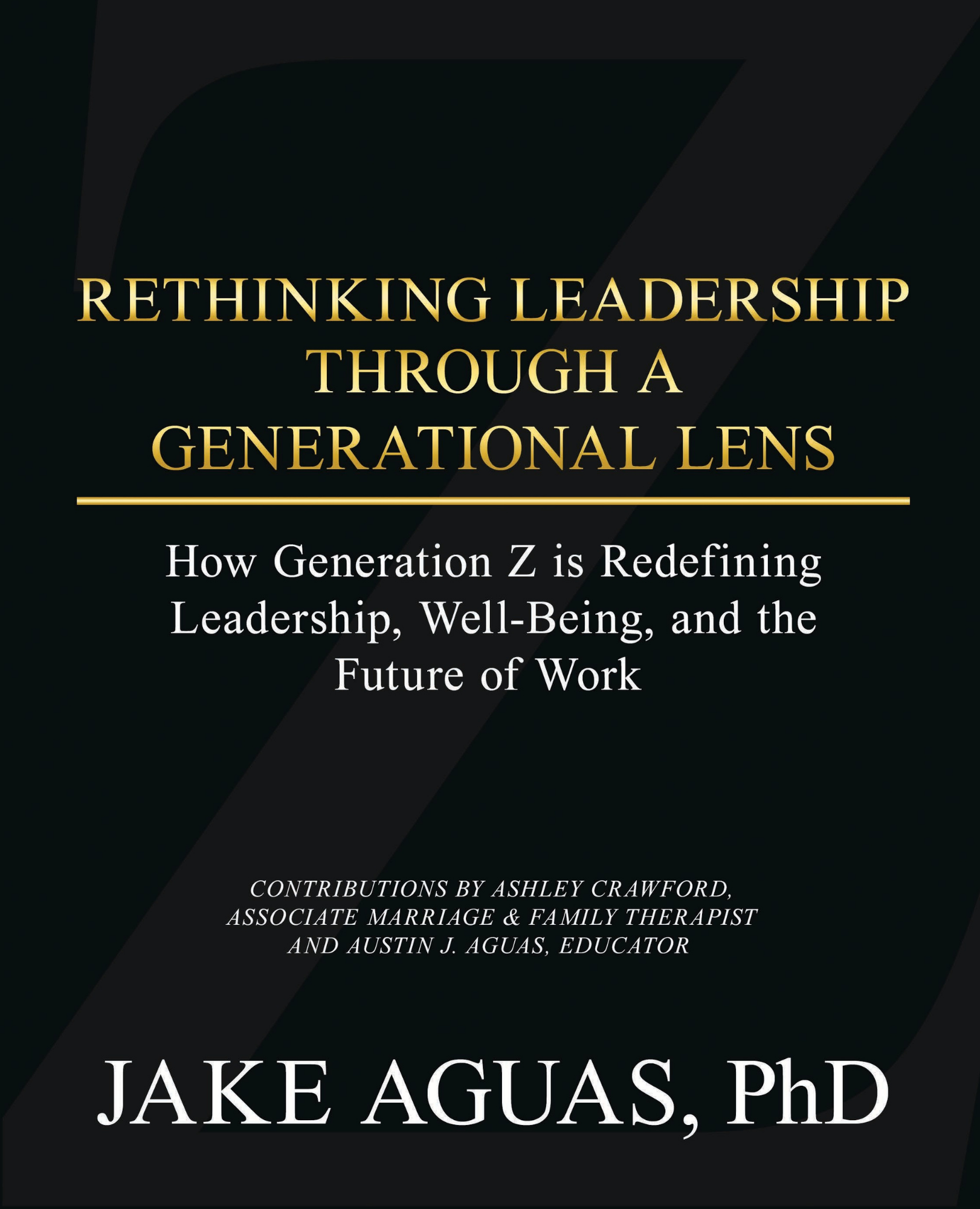
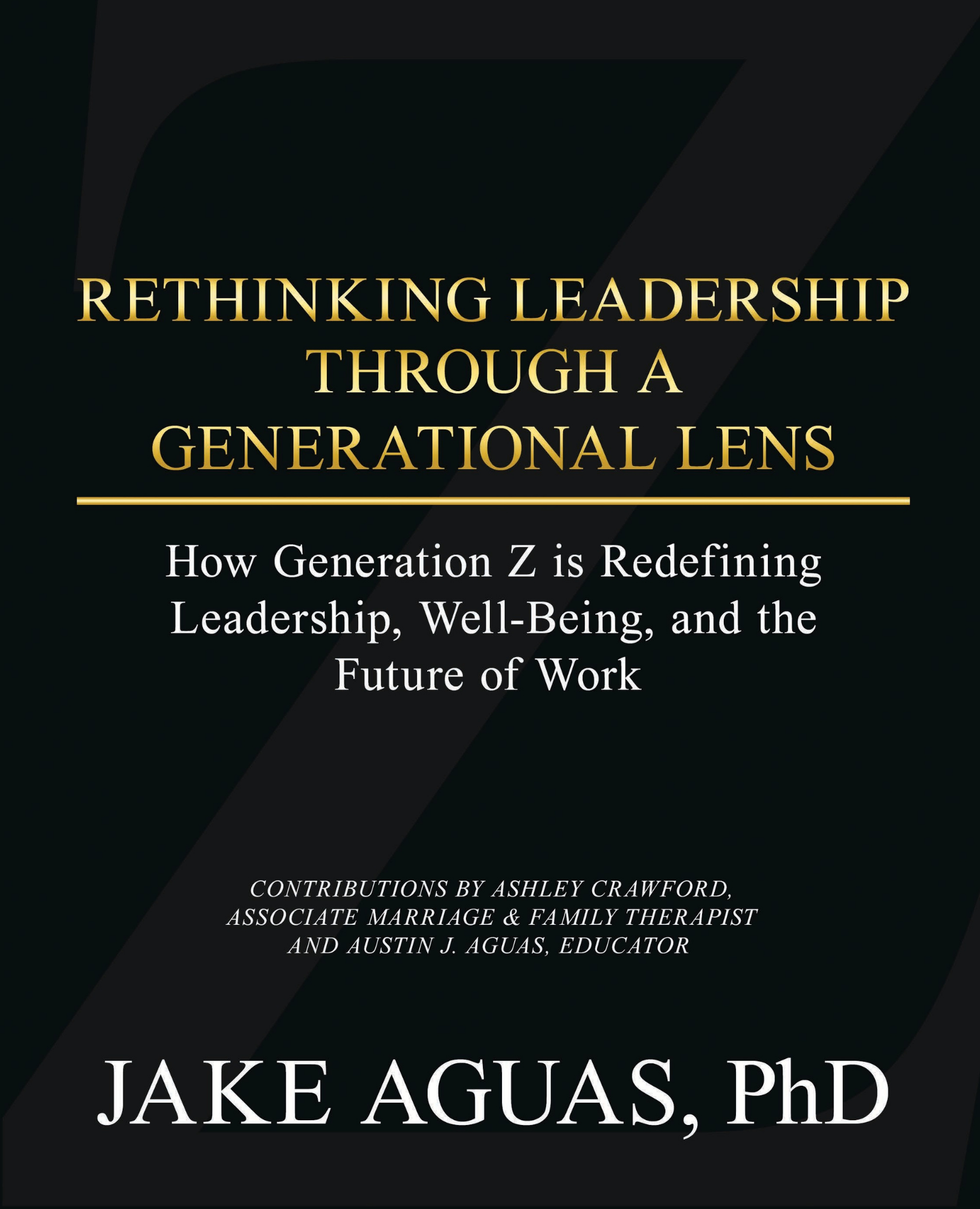
Rethinking Leadership through a Generational Lens: How Generation Z is redefining leadership, well-being, and the future of work
Edition: 1
Copyright: 2025
Pages: 252
Edition: 1
Copyright: 2026
Pages: 304
Choose Your Format
Print Package
$109.00 USD
Website
$98.10 USD
We are standing at the threshold of a profound leadership shift.
For the first time in modern history, five generations are sharing the workforce. At the same time, we are witnessing a rising force in leadership and organizational culture in Generation Z, a digitally fluent, socially conscious, and refreshingly bold generational cohort. Their presence is not a distant future; it is a present reality. And yet, despite the urgency of their entrance into leadership spaces, we understand little about what they want from their leaders, or who they hope to become as leaders themselves.
This book began with a simple question: What kind of leadership resonates with Generation Z? That question evolved into a doctoral research journey with a qualitative, phenomenological study designed to explore the leadership preferences, aspirations, well-being priorities, and diversity perspectives of working adult members of Generation Z. What I found was not just insightful, it was transformative.
Whether you're a leader, educator, coach, executive, or HR professional, this book is your invitation to meet Generation Z not with assumptions, but with understanding. What follows is both research-driven and deeply human, and exploration into what today's youngest working adults expect from leadership and how they are preparing to redefine it.
Their vision of leadership is not about hierarchy; it's about authenticity, equity, and impact. In the hands of Generation Z, leadership is no longer about climbing a ladder. It is about building a bridge between purpose and performance, between empathy and action, and between generations and a shared future. If we're willing to listen, we might just find that the future of leadership is already here.
- Jake Aguas, Ph.D.
List of Tables and Figures
About the Author
About the Contributors
Acknowledgments
Introduction
Chapter 1 Generational Cohort Theory
Generational Determinants
Traumatic Events
Mentors and Heroic Leaders (Salient Elders and Dissenters)
Demographic Composition
The Privileged Interval (The Troughs)
Sacred Places
The Happy Few (Collaborators and Supporters)
Age, Period, and Cohort Effects
Summary
Chapter 2 What Is a Generation?
Defining the Term Generation
Pre-Mannheim
Mannheim
Ryder
Elder
Strauss and Howe
Twenge
Zemke
Elmore
Aguas
Other Notable Theorists
Generationism and Generational Demarcation
Generational Archetypes and Taxonomy
Generational Blending and Microgenerations
Summary
Chapter 3 Predecessor Generations to Generation Z
The Silent Generation
Baby Boomers
Generation X
Millennials
Summary
Chapter 4 Generation Z
Naming Conventions
Defining Events
Communication
Mental and Physical Well-Being
Relationships
Consumer Behavior
Technology
Education and Learning
Faith
Justice and Social Responsibility
Entrepreneurship
Generation Z in the Workplace
Summary
Chapter 5 Successor Generations to Generation Z
Generation Alpha
Generation Beta
Generation Gamma
Summary
Chapter 6 Leadership and Generation Z
Leadership Theory
Leadership Defined
Generation Z’s Leadership Preferences
Gap in the Research Regarding Generation Z’s Leadership Preferences
Generation Z’s Leadership Aspirations
Gap in the Research Regarding Generation Z’s Leadership Aspirations
The Research Gap Regarding Well-being, Diversity, and Leadership
Summary
Chapter 7 Voices of Generation Z (Research Results)
Participant Demographics and Descriptives
Data Collection
Data Analysis
Findings
Research Question 1
Research Question 2
Research Question 3
Research Question 4
Summary
Chapter 8 Leading with Purpose - How Generation Z Redefines Leadership
Interpretation of Findings
Research Question 1
Research Question 2
Research Question 3
Research Question 4
Implications
Limitations
Recommended Future Research
Summary
Conclusion
Appendix A: Interview Guide
Appendix B: Methodology
References

Jake Aguas is an Associate Professor of Management at the Crowell School of Business at Biola University and a Clinical Adjunct Professor of Management at the Argyros School of Business and Economics at Chapman University and the University of California, Irvine (UCI) Merage School of Business, where he teaches management, leadership, human resources, and entrepreneurship at the MBA and undergraduate levels. Jake has co-led international study tours to Beijing and Shanghai, China, and Hong Kong, instructing on culture, behavior, and economics in modern China, and has taught at the Townsend Institute for Leadership and Counseling at Concordia University. He has worked on philanthropic projects in the United Kingdom, South Africa, and Central America.
Jake is an organizational consultant and practices internationally, helping leaders build stronger organizations through their people and processes. He specializes in leadership strategy, team building, training and development, coaching, and the design and implementation of global human resource management functions. Jake serves as a principal consultant at Morris Interactive, a professional development and consulting firm that supports clients throughout Canada and the United States.
Jake has held leadership positions with a Fortune 100 company in financial services, as well as in the market research industry with one of the country’s top polling firms. He was a leader in the retail bank division of JPMorgan Chase for 15 years, notably serving as its Human Resource Manager for Talent Acquisition for the Western United States. In addition to authoring publications for research and professional journals, he regularly speaks on leadership, generational differences, emotional and cultural intelligence, and entrepreneurship. Jake is bilingual in Spanish and English and is pursuing a PhD in Organizational Leadership from Regent University. He holds a master’s degree in Organizational Leadership from Biola University and a bachelor’s degree in Economics from UCLA.
Jake is the author of numerous professional and research journal articles, including Generation Z: The Rise of a New Generation,” “Generation Z and the Mental Health Crisis, Millennial and Generation Z’s Perspectives on Leadership Effectiveness, and A Pathway towards Cultural Intelligence. In addition to Generation Z and the COVID-19 Crisis, Jake authored Megatrends: The Transformative Forces Reshaping the United States which has been adopted by universities and colleges, as well as by public and private institutions for training and professional development.
We are standing at the threshold of a profound leadership shift.
For the first time in modern history, five generations are sharing the workforce. At the same time, we are witnessing a rising force in leadership and organizational culture in Generation Z, a digitally fluent, socially conscious, and refreshingly bold generational cohort. Their presence is not a distant future; it is a present reality. And yet, despite the urgency of their entrance into leadership spaces, we understand little about what they want from their leaders, or who they hope to become as leaders themselves.
This book began with a simple question: What kind of leadership resonates with Generation Z? That question evolved into a doctoral research journey with a qualitative, phenomenological study designed to explore the leadership preferences, aspirations, well-being priorities, and diversity perspectives of working adult members of Generation Z. What I found was not just insightful, it was transformative.
Whether you're a leader, educator, coach, executive, or HR professional, this book is your invitation to meet Generation Z not with assumptions, but with understanding. What follows is both research-driven and deeply human, and exploration into what today's youngest working adults expect from leadership and how they are preparing to redefine it.
Their vision of leadership is not about hierarchy; it's about authenticity, equity, and impact. In the hands of Generation Z, leadership is no longer about climbing a ladder. It is about building a bridge between purpose and performance, between empathy and action, and between generations and a shared future. If we're willing to listen, we might just find that the future of leadership is already here.
- Jake Aguas, Ph.D.
List of Tables and Figures
About the Author
About the Contributors
Acknowledgments
Introduction
Chapter 1 Generational Cohort Theory
Generational Determinants
Traumatic Events
Mentors and Heroic Leaders (Salient Elders and Dissenters)
Demographic Composition
The Privileged Interval (The Troughs)
Sacred Places
The Happy Few (Collaborators and Supporters)
Age, Period, and Cohort Effects
Summary
Chapter 2 What Is a Generation?
Defining the Term Generation
Pre-Mannheim
Mannheim
Ryder
Elder
Strauss and Howe
Twenge
Zemke
Elmore
Aguas
Other Notable Theorists
Generationism and Generational Demarcation
Generational Archetypes and Taxonomy
Generational Blending and Microgenerations
Summary
Chapter 3 Predecessor Generations to Generation Z
The Silent Generation
Baby Boomers
Generation X
Millennials
Summary
Chapter 4 Generation Z
Naming Conventions
Defining Events
Communication
Mental and Physical Well-Being
Relationships
Consumer Behavior
Technology
Education and Learning
Faith
Justice and Social Responsibility
Entrepreneurship
Generation Z in the Workplace
Summary
Chapter 5 Successor Generations to Generation Z
Generation Alpha
Generation Beta
Generation Gamma
Summary
Chapter 6 Leadership and Generation Z
Leadership Theory
Leadership Defined
Generation Z’s Leadership Preferences
Gap in the Research Regarding Generation Z’s Leadership Preferences
Generation Z’s Leadership Aspirations
Gap in the Research Regarding Generation Z’s Leadership Aspirations
The Research Gap Regarding Well-being, Diversity, and Leadership
Summary
Chapter 7 Voices of Generation Z (Research Results)
Participant Demographics and Descriptives
Data Collection
Data Analysis
Findings
Research Question 1
Research Question 2
Research Question 3
Research Question 4
Summary
Chapter 8 Leading with Purpose - How Generation Z Redefines Leadership
Interpretation of Findings
Research Question 1
Research Question 2
Research Question 3
Research Question 4
Implications
Limitations
Recommended Future Research
Summary
Conclusion
Appendix A: Interview Guide
Appendix B: Methodology
References
Jake Aguas is an Associate Professor of Management at the Crowell School of Business at Biola University and a Clinical Adjunct Professor of Management at the Argyros School of Business and Economics at Chapman University and the University of California, Irvine (UCI) Merage School of Business, where he teaches management, leadership, human resources, and entrepreneurship at the MBA and undergraduate levels. Jake has co-led international study tours to Beijing and Shanghai, China, and Hong Kong, instructing on culture, behavior, and economics in modern China, and has taught at the Townsend Institute for Leadership and Counseling at Concordia University. He has worked on philanthropic projects in the United Kingdom, South Africa, and Central America.
Jake is an organizational consultant and practices internationally, helping leaders build stronger organizations through their people and processes. He specializes in leadership strategy, team building, training and development, coaching, and the design and implementation of global human resource management functions. Jake serves as a principal consultant at Morris Interactive, a professional development and consulting firm that supports clients throughout Canada and the United States.
Jake has held leadership positions with a Fortune 100 company in financial services, as well as in the market research industry with one of the country’s top polling firms. He was a leader in the retail bank division of JPMorgan Chase for 15 years, notably serving as its Human Resource Manager for Talent Acquisition for the Western United States. In addition to authoring publications for research and professional journals, he regularly speaks on leadership, generational differences, emotional and cultural intelligence, and entrepreneurship. Jake is bilingual in Spanish and English and is pursuing a PhD in Organizational Leadership from Regent University. He holds a master’s degree in Organizational Leadership from Biola University and a bachelor’s degree in Economics from UCLA.
Jake is the author of numerous professional and research journal articles, including Generation Z: The Rise of a New Generation,” “Generation Z and the Mental Health Crisis, Millennial and Generation Z’s Perspectives on Leadership Effectiveness, and A Pathway towards Cultural Intelligence. In addition to Generation Z and the COVID-19 Crisis, Jake authored Megatrends: The Transformative Forces Reshaping the United States which has been adopted by universities and colleges, as well as by public and private institutions for training and professional development.