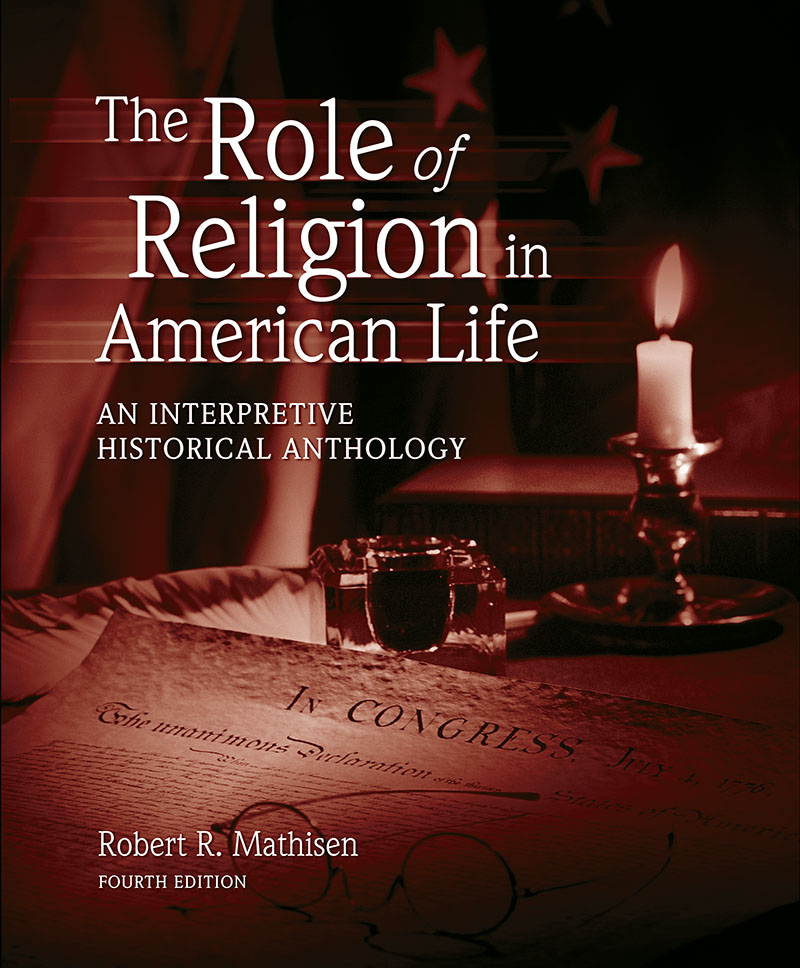
The Role of Religion in American Life: An Interpretive Historical Anthology

Author(s): Robert R Mathisen

Choose Your Format

The Role of Religion in American Life: An Interpretive Historical Anthology explores the complex and evolving relationship between religion and American society from the colonial period to the modern era. Through a collection of primary sources, speeches, essays, sermons, and historical writings, the anthology examines how religious beliefs have shaped American culture, politics, social movements, and national identity. The readings highlight the influence of Christianity and other religious perspectives on major events, including colonial settlement, the Great Awakening, the American Revolution, reform movements, slavery debates, westward expansion, and the Civil War.

Organized chronologically, the anthology traces the changing role of religion in the United States from the establishment of early religious communities through twentieth- and twenty-first-century debates over science, social justice, civil rights, war, politics, and national values. By presenting voices from figures such as Jonathan Edwards, Frederick Douglass, Martin Luther King Jr., Billy Graham, Malcolm X, and others, the book encourages readers to consider how faith traditions have both reflected and influenced the challenges and transformations of American life. It provides students with a historical framework for understanding religion as a powerful force in shaping American experiences, identities, and institutions.

Part I: Establishing America (1607–1820)
Chapter 1: Religion and Colonial Massachusetts

Bradford’s History of Plymouth Plantation, 1620–1647
William Bradford

A Model of Christian Charity
John Winthrop

“That American Jezebel”
John Winthrop

Chapter 2: The Great Awakening

Some Thoughts Concerning the Present Revival of Religion in New England
Jonathan Edwards

Seasonable Thoughts on the State of Religion in New England
Charles Chauncy

The Testimony of Harvard College Against George Whitefield

Chapter 3: The Coming of the American Revolution

Discourse Concerning Unlimited Submission
Jonathan Mayhew

A Calm Address to Our American Colonies
John Wesley

The Church’s Flight into the Wilderness
Samuel Sherwood, A.M.

Chapter 4: Sources and Impact of the Second Awakening

Attack on Infidelity
Timothy Dwight

Forming the American Bible Society

The Need for Western Colleges

Part II: Expanding America (1820–1865)
Chapter 5: The Age of Revivalism and Reform

The Church Must Take Right Ground
Charles G. Finney

The Way of Holiness
Phoebe Palmer

Human Aliment and the Wines of Scripture
Sylvester Graham

Chapter 6: Slavery

The Bible Against Slavery
Theodore D. Weld

What to the Slave Is the Fourth of July?
Frederick Douglass

The Holding of a Slave Not a Sin
Samuel B. How, D.D.

Chapter 7: Manifest Destiny

Justification by Scripture
John Quincy Adams

Letter to Rev. L. P. Judson
Marcus Whitman

Redeem Mexico from Misrule and Civil Strife
Robert F. Stockton

Chapter 8: Religion and the Civil War

An Address to Christians Throughout the World

Reminiscences of the Civil War
John B. Gordon

Address at the Raising of the Union Flag over Fort Sumter
Henry Ward Beecher

Part III: Energizing America (1865–1920)
Chapter 9: Science and Religion

What Is Darwinism?
Charles Hodge

Evolution
James Woodrow

Evolution and Religion
Henry Ward Beecher

Chapter 10: The Gospel of Wealth and Big Business

Wealth
Andrew Carnegie

The Relation of Wealth to Morals
William Lawrence

Acres of Diamonds
Russell H. Conwell

Chapter 11: The Social Gospel

Applied Christianity
Washington Gladden

The Social Relief Work of the Salvation Army in the United States
Commander Booth Tucker

In His Steps
Charles M. Sheldon

Chapter 12: Theology

The New Theology
Theodore T. Munger

Present Day Theology
Washington Gladden

A Theology for the Social Gospel
Walter Rauschenbusch

Chapter 13: Religion and International Relations

Our Country
Josiah Strong

The March of the Flag
Albert J. Beveridge

America’s Mission
William Jennings Bryan

Part IV: Evaluating America Since 1920
Chapter 14: America and Religion in the Uncertain Twenties

This Is That
Aimee Semple McPherson

The Man Nobody Knows
Bruce Barton

The World’s Most Famous Court Trial: Tennessee Evolution Case

Chapter 15: Religion in the Age of Depression

Humanist Manifesto I

A Christian Manifesto
Edwin Lewis

Why No Revival?
The Christian Century

Chapter 16: Religion During Hot and Cold Wars

The Churches and the Clergy in World War II
Ray Abrams

America’s Atomic Atrocity
The Christian Century

America’s Hour of Decision
Billy Graham

Chapter 17: Religious Responses to the Turbulent Sixties

Letter from Birmingham City Jail
Martin Luther King Jr.

The Christian and Vietnam
Charles C. West

The Jesus People
Ronald M. Enroth

Chapter 18: Religion and the Search for National Stability

Perils of Politics
Charles Colson

Abortion and the Conscience of the Nation
Ronald Reagan

The Aftermath of 9/11 and the American Muslim Community
Yvonne Yazbeck Haddad

Robert R Mathisen

Robert R. Mathisen is an American historian and political scientist best known for his scholarly work on American religious history. He holds a Master of Arts degree from Ball State University and has served as Professor of History and Political Science at Corban College in Oregon

The Role of Religion in American Life: An Interpretive Historical Anthology explores the complex and evolving relationship between religion and American society from the colonial period to the modern era. Through a collection of primary sources, speeches, essays, sermons, and historical writings, the anthology examines how religious beliefs have shaped American culture, politics, social movements, and national identity. The readings highlight the influence of Christianity and other religious perspectives on major events, including colonial settlement, the Great Awakening, the American Revolution, reform movements, slavery debates, westward expansion, and the Civil War.

Organized chronologically, the anthology traces the changing role of religion in the United States from the establishment of early religious communities through twentieth- and twenty-first-century debates over science, social justice, civil rights, war, politics, and national values. By presenting voices from figures such as Jonathan Edwards, Frederick Douglass, Martin Luther King Jr., Billy Graham, Malcolm X, and others, the book encourages readers to consider how faith traditions have both reflected and influenced the challenges and transformations of American life. It provides students with a historical framework for understanding religion as a powerful force in shaping American experiences, identities, and institutions.

Part I: Establishing America (1607–1820)
Chapter 1: Religion and Colonial Massachusetts

Bradford’s History of Plymouth Plantation, 1620–1647
William Bradford

A Model of Christian Charity
John Winthrop

“That American Jezebel”
John Winthrop

Chapter 2: The Great Awakening

Some Thoughts Concerning the Present Revival of Religion in New England
Jonathan Edwards

Seasonable Thoughts on the State of Religion in New England
Charles Chauncy

The Testimony of Harvard College Against George Whitefield

Chapter 3: The Coming of the American Revolution

Discourse Concerning Unlimited Submission
Jonathan Mayhew

A Calm Address to Our American Colonies
John Wesley

The Church’s Flight into the Wilderness
Samuel Sherwood, A.M.

Chapter 4: Sources and Impact of the Second Awakening

Attack on Infidelity
Timothy Dwight

Forming the American Bible Society

The Need for Western Colleges

Part II: Expanding America (1820–1865)
Chapter 5: The Age of Revivalism and Reform

The Church Must Take Right Ground
Charles G. Finney

The Way of Holiness
Phoebe Palmer

Human Aliment and the Wines of Scripture
Sylvester Graham

Chapter 6: Slavery

The Bible Against Slavery
Theodore D. Weld

What to the Slave Is the Fourth of July?
Frederick Douglass

The Holding of a Slave Not a Sin
Samuel B. How, D.D.

Chapter 7: Manifest Destiny

Justification by Scripture
John Quincy Adams

Letter to Rev. L. P. Judson
Marcus Whitman

Redeem Mexico from Misrule and Civil Strife
Robert F. Stockton

Chapter 8: Religion and the Civil War

An Address to Christians Throughout the World

Reminiscences of the Civil War
John B. Gordon

Address at the Raising of the Union Flag over Fort Sumter
Henry Ward Beecher

Part III: Energizing America (1865–1920)
Chapter 9: Science and Religion

What Is Darwinism?
Charles Hodge

Evolution
James Woodrow

Evolution and Religion
Henry Ward Beecher

Chapter 10: The Gospel of Wealth and Big Business

Wealth
Andrew Carnegie

The Relation of Wealth to Morals
William Lawrence

Acres of Diamonds
Russell H. Conwell

Chapter 11: The Social Gospel

Applied Christianity
Washington Gladden

The Social Relief Work of the Salvation Army in the United States
Commander Booth Tucker

In His Steps
Charles M. Sheldon

Chapter 12: Theology

The New Theology
Theodore T. Munger

Present Day Theology
Washington Gladden

A Theology for the Social Gospel
Walter Rauschenbusch

Chapter 13: Religion and International Relations

Our Country
Josiah Strong

The March of the Flag
Albert J. Beveridge

America’s Mission
William Jennings Bryan

Part IV: Evaluating America Since 1920
Chapter 14: America and Religion in the Uncertain Twenties

This Is That
Aimee Semple McPherson

The Man Nobody Knows
Bruce Barton

The World’s Most Famous Court Trial: Tennessee Evolution Case

Chapter 15: Religion in the Age of Depression

Humanist Manifesto I

A Christian Manifesto
Edwin Lewis

Why No Revival?
The Christian Century

Chapter 16: Religion During Hot and Cold Wars

The Churches and the Clergy in World War II
Ray Abrams

America’s Atomic Atrocity
The Christian Century

America’s Hour of Decision
Billy Graham

Chapter 17: Religious Responses to the Turbulent Sixties

Letter from Birmingham City Jail
Martin Luther King Jr.

The Christian and Vietnam
Charles C. West

The Jesus People
Ronald M. Enroth

Chapter 18: Religion and the Search for National Stability

Perils of Politics
Charles Colson

Abortion and the Conscience of the Nation
Ronald Reagan

The Aftermath of 9/11 and the American Muslim Community
Yvonne Yazbeck Haddad

Robert R Mathisen

Robert R. Mathisen is an American historian and political scientist best known for his scholarly work on American religious history. He holds a Master of Arts degree from Ball State University and has served as Professor of History and Political Science at Corban College in Oregon