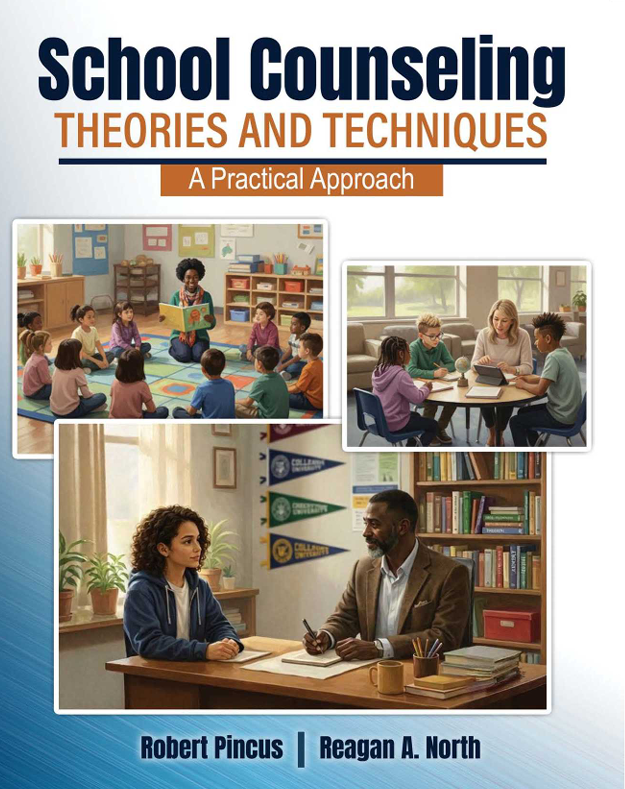
School Counseling Theories and Techniques: A Practical Approach

Author(s):

Edition: 1

Copyright: 0

Choose Your Format

Ebook

$0.00 USD

ISBN 9798319720184

Details Electronic Delivery EBOOK

This textbook offers a comprehensive, school-focused introduction to counseling theories and techniques specifically designed for K–12 settings. Unlike most theories texts—written primarily for clinical mental health therapists and only loosely adapted to schools—this book translates each major counseling approach directly into the realities of elementary, middle, and high school practice. It helps school counseling students understand not just what each theory proposes, but how to apply it ethically and effectively in brief, goal-focused work with children and adolescents during the school day.


Each chapter includes realistic role plays that model how counseling conversations grounded in that theory might sound with actual students, giving readers concrete dialogue examples they can rehearse and adapt. Even more distinctively, every chapter ends with a set of fully developed, school-ready activities—complete with printable handouts—that counselors can use in one-on-one counseling, small groups, and classroom lessons. These practical tools make it easy for school counseling students and practitioners to move from understanding theory to implementing it with students.

Chapter 1 - Why School Counselors Use Theory - Charity Kurz, Ph.D. and Denise Ebersole, Ph.D.

Chapter 2 - Psychoanalytic Theory - Theresa Philips-Harris, Ph.D.

Chapter 3 - Adlerian Theory - Chris Belser, Ph.D. and Anabel Mifsud, Ph.D.

Chapter 4 - Person-Centered Theory - Rochelle Dunn, Ph.D., Shannan Shiderly, Ph.D., and Reagan North, Ph.D.

Chapter 5 - Existential Theory and Spiritual Integration - Vasti Holstun, Ph.D. and Chris Wheelus, Ph.D.

Chapter 6 - Gestalt Theory - James McGinn, Ph.D., Addy Wissel, Ph.D., and Reagan North, Ph.D.

Chapter 7 - Rational-Emotive Behavioral Theory - Robert Pincus, Ph.D. and Erik Hines, Ph.D.

Chapter 8 - Cognitive-Behavioral Theory - Chris Wilder, Ph.D., Carol Miller, L.S.C., and Jen Money-Brady, Ph.D.

Chapter 9 - Choice Theory/Reality Therapy - Jeri Ellis, Ph.D.

Chapter 10 - Solution-Focused Brief Therapy - Abraham Cazares, Ph.D. and Kimberly Grigg, Ph.D.

Chapter 11 - Play Therapy - Jane Webber, Ph.D., and Kristine Iarussi, Ph.D.

Chapter 12 - Motivational Interviewing - Brian Linhart, Ph.D. and Reagan North, Ph.D.

Chapter 13 - Narrative Therapy - Lacey Ricks, Ph.D. and Sarah Kitchens, Ph.D.

Chapter 14 - Creative Theories - Suzanne Degges-White, Ph.D., Marcela Kepic, Ph.D., and Loryn Kimbrough, Ph.D.

Chapter 15 - Family Systems Theory - Brittany Glover, Ph.D. and Robert Pincus, Ph.D.
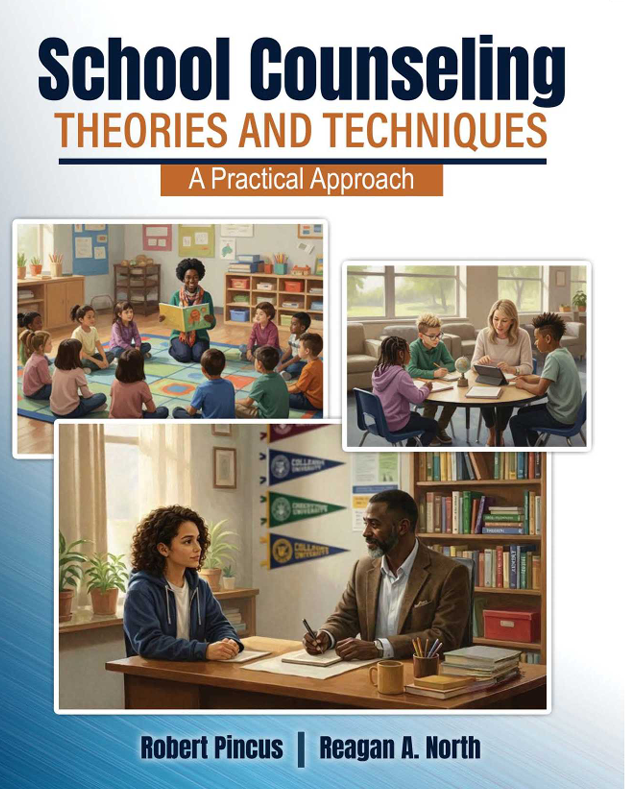
This textbook offers a comprehensive, school-focused introduction to counseling theories and techniques specifically designed for K–12 settings. Unlike most theories texts—written primarily for clinical mental health therapists and only loosely adapted to schools—this book translates each major counseling approach directly into the realities of elementary, middle, and high school practice. It helps school counseling students understand not just what each theory proposes, but how to apply it ethically and effectively in brief, goal-focused work with children and adolescents during the school day.


Each chapter includes realistic role plays that model how counseling conversations grounded in that theory might sound with actual students, giving readers concrete dialogue examples they can rehearse and adapt. Even more distinctively, every chapter ends with a set of fully developed, school-ready activities—complete with printable handouts—that counselors can use in one-on-one counseling, small groups, and classroom lessons. These practical tools make it easy for school counseling students and practitioners to move from understanding theory to implementing it with students.

Chapter 1 - Why School Counselors Use Theory - Charity Kurz, Ph.D. and Denise Ebersole, Ph.D.

Chapter 2 - Psychoanalytic Theory - Theresa Philips-Harris, Ph.D.

Chapter 3 - Adlerian Theory - Chris Belser, Ph.D. and Anabel Mifsud, Ph.D.

Chapter 4 - Person-Centered Theory - Rochelle Dunn, Ph.D., Shannan Shiderly, Ph.D., and Reagan North, Ph.D.

Chapter 5 - Existential Theory and Spiritual Integration - Vasti Holstun, Ph.D. and Chris Wheelus, Ph.D.

Chapter 6 - Gestalt Theory - James McGinn, Ph.D., Addy Wissel, Ph.D., and Reagan North, Ph.D.

Chapter 7 - Rational-Emotive Behavioral Theory - Robert Pincus, Ph.D. and Erik Hines, Ph.D.

Chapter 8 - Cognitive-Behavioral Theory - Chris Wilder, Ph.D., Carol Miller, L.S.C., and Jen Money-Brady, Ph.D.

Chapter 9 - Choice Theory/Reality Therapy - Jeri Ellis, Ph.D.

Chapter 10 - Solution-Focused Brief Therapy - Abraham Cazares, Ph.D. and Kimberly Grigg, Ph.D.

Chapter 11 - Play Therapy - Jane Webber, Ph.D., and Kristine Iarussi, Ph.D.

Chapter 12 - Motivational Interviewing - Brian Linhart, Ph.D. and Reagan North, Ph.D.

Chapter 13 - Narrative Therapy - Lacey Ricks, Ph.D. and Sarah Kitchens, Ph.D.

Chapter 14 - Creative Theories - Suzanne Degges-White, Ph.D., Marcela Kepic, Ph.D., and Loryn Kimbrough, Ph.D.

Chapter 15 - Family Systems Theory - Brittany Glover, Ph.D. and Robert Pincus, Ph.D.