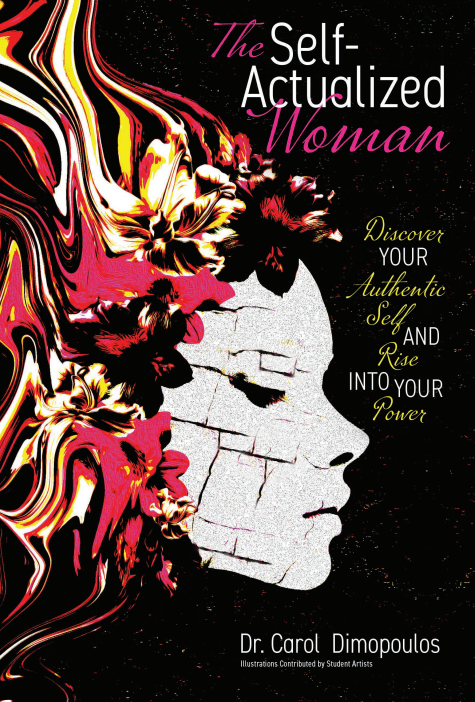
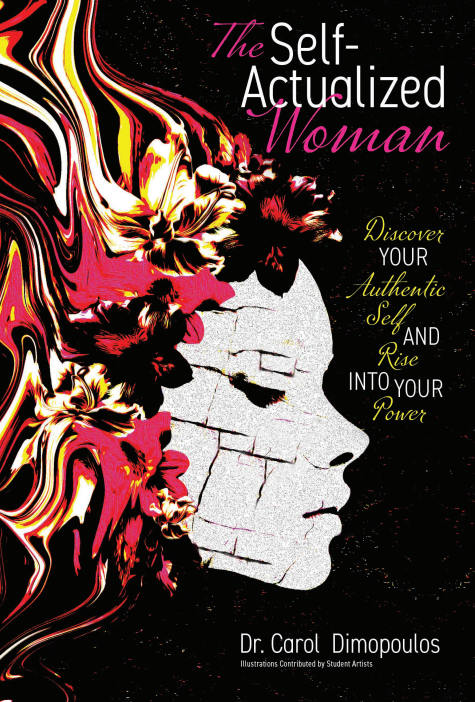
The Self-Actualized Woman: Discover Your Authentic Self and Rise Into Your Power
Edition: 1
Copyright: 2026
Pages: 198
Edition: 1
Copyright: 2026
Pages: 198
Choose Your Format
Choose Your Platform | Help Me Choose


$34.99 USD
Ebook
$29.99 USD
The book explores the historical, cultural, and psychological forces that have contributed to the loss of women’s power and sense of self. It argues that ancient traditions once honored feminine wisdom and authority, but that the rise of patriarchal systems gradually diminished women’s influence, disconnected them from their ancestral strengths, and shaped limiting beliefs about their roles in society. Through this lens, the author examines how these historical patterns continue to affect women today through social conditioning, internalized expectations, and everyday experiences of inequality.
The second half of the book focuses on healing and reclamation. It encourages women to recognize and overcome the beliefs, fears, and behaviors that keep them disconnected from their authentic selves. By exploring self-awareness, emotional growth, shadow work, healthy boundaries, and personal empowerment, the author presents a path toward reconnecting with inner wisdom and reclaiming a stronger sense of identity, agency, and purpose. Ultimately, the book serves as both a critique of systems that diminish women’s power and a guide for restoring it.
Part One: What Happened to Us: The Disintegrative Loss of Women’s Power
Chapter 1: The Goddesses
Chapter 2: Once There Was a Garden
Chapter 3: Patriarchal Systems, the Retraction
Part Two: Overview
Chapter 4: The Conditions-Reclaiming Our Ancestral Power
Chapter 5: The Poisons
Chapter 6: The Great Imposter – She Acts Like a Man
Chapter 7: Microaggressions: When the Poisons Spill
Chapter 8: The Rhythm Section
Chapter 9: I’m Not Afraid of Snakes
Chapter 10: Sleeping with Ghosts: Embracing the Shadow
Part Three: What Happens in Us: The Inner World of a Women
Chapter 11: Welcome Back to Self
Chapter 12: Take Back Your Power
Chapter 13: Secret Garden: Caring for Your Inner World
Chapter 14: Exploring Your Inner World
Chapter 15: Boundaries: Caring for Your Outer World
Conclusion
Bibliography
Dr. Carol Dimopoulos has unique background which bridges global social entrepreneurship and academia. She has over 20 years of experience as a high-profile global business executive, and 15+ years in academia. She earned her doctorate from the University of Illinois Urbana Champaign in Education Policy, Organization & Leadership-Global Studies in Education and an MBA (Strategy Concentration) from Sage Graduate School and a certification from Harvard Medical School in Lifestyle and Wellness Coaching.
In her industry role, she serves as CEO and founder of Learning Journeys, a social enterprise focused on global transformational journeys which encourage participants to immerse in their interests and passions. The brand focuses on incorporating opportunities for personal growth and restoration into the global travel platform as well as creating social exchanges which initiate economic opportunities through social entrepreneurship. Through her extensive cultural immersions in developing countries and rural indigenous societies she discovered what drives human empowerment at a core level. Her work has been featured in publications such as Newsweek, Women’s Health, The Boston Globe, The LA Times, and numerous industry publications. Dr. Dimopoulos was selected by the Islands of Malta to serve as a Travel Ambassador, filming a video series to highlight the destination’s cultural preservation, local small business, and sustainable practices to preserve the islands’ natural beauty and history. She is an international speaker, expert in the application of social entrepreneurship, and served on the board of directors of the United States Tourism Association (USTOA).
She is also a respected academic and scholar, serving as Assistant Professor of Entrepreneurship at East Stroudsburg University. In addition, she is a published researcher and a scholar on the subjects of social entrepreneurship, innovation, work-based and service learning, leadership, self-agency, and mindfulness. She has received multiple grants to study equity in entrepreneurship and social enterprise. She has presented at numerous global conferences, and her research has been published in both conference papers and an ABS journal publication. She is a member of the Association of College and University Educators (ACUE) and a digital scholar fellow.