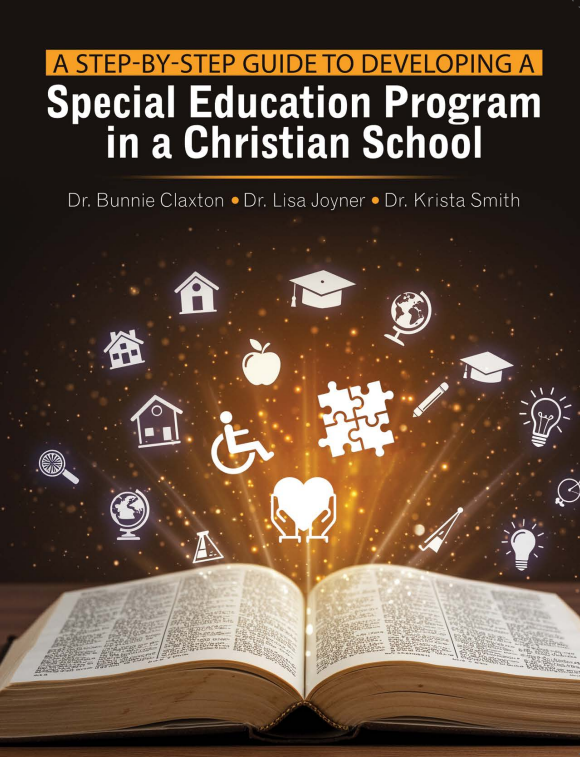
A Step-By-Step Guide to Developing a Special Education Program in a Christian School
Edition: 1
Copyright: 2026
Pages: 304
Edition: 1
Copyright: 2026
Pages: 304
Choose Your Format
Print Package
$80.25 USD
Ebook
$69.55 USD
A Step-by-Step Guide to Developing a Special Education Program in a Christian School was written to provide a detailed plan and process to help educators in a Christian school to serve students with special needs. This book not only provides the “why,” but the “how” for implementing a special education program in a Christian school that adheres to legal and moral guidelines and serves students who have special education needs but want to learn from a Christian perspective.
Acknowledgments
Chapter 1: A Biblical Foundation for Special Education
Introduction
Biblical Foundation of Human Worth
Christian Education Reflects God’s Heart
Reaching People with Disabilities: A Call of the Great Commission
The Need for Christian Special Education
Biblical Principles That Guide Christian Special Education
The Eternal Impact of Christian Special Education
Responding to God’s Call to Serve All Students
Conclusion
Discussion Questions
Chapter 2: Understanding the Law and Students with Special Needs
Introduction
Historical Context and Legislative Foundations
IDEA: Definitions and Categories
Individualized Education Plan
Section 504 Plans and Common Non-IDEA Diagnoses
Child Find Requirements
Family Educational Rights and Privacy Act
Neurodiversity
The Inclusion Debate
Christian Schools and Special Education: Policy, Practice, and the Call to Inclusion
Conclusion
Discussion Questions
Chapter 3: How to Design a Special Education Program in a Christian School
Introduction
Step 1: Choose a Program Model
Step 2: Develop a Staffing Plan and Job Descriptions
Step 3: Set a Schedule that Minimizes Academic Disruption
Step 4: Allocate a Dedicated Space for Services
Step 5: Budget for Salaries, Materials, and Professional Development
Step 6: Explore Funding Models
Step 7: Identify Grants or Donor Opportunities for Start-Up Costs
Step 8: Begin Implementation with Sustainability in Mind
Conclusion
Discussion Questions
Chapter 4: How to Establish Enrollment Procedures and Admissions Decisions
Introduction
Step 1: Define the Scope of Services
Step 2: Establish Procedures for Admissions
Step 3: Communicate With Parents
Step 4: Secure Records and Permissions
Step 5: Interview Parents
Step 6: Submit Application
Step 7: Evaluate Status
Step 8: Conduct a Provisional Review
Step 9: Conduct a Student Visit and Screening
Step 10: Decide on Admission
Step 11: Draft Preliminary ISP
Step 12: Schedule Parent Conference
Step 13: Secure Contracts and Enrollment
Step 14: Implement Transition and Onboarding
Step 15: Review ISP and Placement Confirmation
Step 16: Monitor Consistently
Step 17: Review Annually
Conclusion
Discussion Questions
Chapter 5: How to Create Effective Learning Environments
Introduction
Step 1: Design Seating for Movement and Focus
Step 2: Use Visual Schedules and Instructional Reminders
Step 3: Equip Students with Tools for Access, Focus, and Independence
Step 4: Create a Calming Corner for Breaks and Regulation
Step 5: Minimize Distractions with Calm, Neutral Décor
Step 6: Plan for Accessibility and Inclusion in All Physical Spaces
Step 7: Involve Students in Environment Routines
Conclusion
Discussion Questions
Chapter 6: How to Foster Collaboration Between General and Special Educators
Introduction
Step 1: Establish Co-Teaching and Flexible Service Models in Core Subjects
Step 2: Schedule Protected Planning Time for Collaboration
Step 3: Utilize Shared Digital Tools for Consistent Communication and Record-Keeping
Step 4: Provide Ongoing Professional Development on Collaboration Strategies
Step 5: Build a Culture of Shared Ownership for Every Student
Step 6: Collaborate with Outside Providers as a Part of the Student Support Team
Conclusion
Discussion Questions
Chapter 7: How to Define the Roles and Responsibilities of the Special Education Team
Introduction
Step 1: Define the Administrator’s Role
Step 2: Define the Role of the Special Education Director
Step 3: Define the Duties of the Special Education Teacher
Step 4: Specify the Responsibilities of the General Education Teacher
Step 5: Engage Parents as Collaborative Partners
Step 6: Integrate Support from Outside Service Providers
Step 7: Empower the Student’s Active Participation
Conclusion
Discussion Questions
Chapter 8: How to Identify and Refer Struggling Students
Introduction
Step 1: Understand the Struggling Learner
Step 2: Observe and Document
Step 3: Implement Teacher Interventions
Step 4: Consult Using a Team-Based Approach
Step 5: Screen and Assess Students
Step 6: Consider Possible Referral to Special Services
Step 7: Develop a Support Plan
Step 8: Implement Supports and Monitor Progress
Step 9: Communicate and Collaborate
Conclusion
Discussion Questions
Chapter 9: How to Implement Instructional Interventions for Struggling Learners
Introduction
Step 1: Consider RTI and MTSS
Step 2: Conduct Universal Screening
Step 3: Implement Targeted Interventions
Step 4: Implement Progress Monitoring
Conclusion
Discussion Questions
Chapter 10: How to Initiate the Evaluation Process
Introduction
Step 1: Review Student Records and Interventions
Step 2: Obtain Parental Consent to Initiate a Request for an Evaluation
Step 3: Contact the LEA to Request an Evaluation
Step 4: Support the Evaluation Process
Step 5: Attend the Eligibility Determination and IEP Meeting
Step 6: Determine Next Steps Based on Evaluation Results
Conclusion
Discussion Questions
Chapter 11: How to Develop Academic Support Plans for Students with Disabilities
Introduction
Step 1: Document the PLAAFP
Step 2: Determine the Student’s Placement
Step 3: Write Measurable Goals and Objectives
Step 4: Implement Accommodations and Modifications
Step 5: Monitor Progress and Review Dates
Step 6: Select the Appropriate Diploma Tracks
Step 7: Obtain Required Signatures
Step 8: Implement the ISP
Conclusion
Discussion Questions
Chapter 12: How to Apply Differentiated Instruction and Universal Design for Learning
Introduction
Step 1: Consider Differentiation Areas
Step 2: Apply Universal Design for Learning Principles to Lesson Design
Step 3: Use Flexible Grouping and Student Choice
Step 4: Incorporate Visual, Auditory, and Kinesthetic Elements
Step 5: Implement Accommodations and Modifications from Service Plans
Step 6: Reflect, Adjust, and Repeat
Conclusion
Discussion Questions
Chapter 13: How to Support Students’ Social and Emotional Growth
Introduction
Step 1: Teach SEL Intentionally
Step 2: Build Routines That Promote Safety and Belonging
Step 3: Identify Signs of Emotional Distress
Step 4: Address Anxiety in Students
Step 5: Involve Families in Supporting Emotional Growth
Step 6: Develop Referral Pathways
Conclusion
Discussion Questions
Chapter 14: How to Address Behavioral Needs with Compassion and Structure
Introduction
Step 1: Identify Behavior Triggers and Patterns
Step 2: Conduct Functional Behavior Assessments
Step 3: Create Individualized Behavior Intervention Plans
Step 4: Integrate Behavior Goals into Service Plans
Step 5: Provide Staff Training on Positive Behavior Strategies
Step 6: Use Social Stories and Create Social Opportunities
Conclusion
Discussion Questions
Chapter 15: How to Prepare Students for Life Beyond School: Diplomas and Transcripts
Introduction
Transition Planning
Diploma Options
Transcripts and Academic Records
Conclusion
Discussion Questions
Chapter 16: How to Evaluate and Improve Your Special Education Program
Introduction
Step 1: Define Evaluation Objectives
Step 2: Engage Stakeholders in the Evaluation Process
Step 3: Select Tools and Methods for Evaluation
Step 4: Apply Key Principles for Evaluation
Step 5: Follow the Step-by-Step Evaluation Cycle
Step 6: Develop an Implementation Plan
Step 7: Establish Feedback and Evaluation Mechanisms
Step 8: Make Evaluation-Based Adjustments
Conclusion
Discussion Questions
Appendices:
Appendix A: Student Questionnaire
Appendix B: Parent Questionnaire
Appendix C: Teacher Questionnaire
Appendix D: Enrollment Procedures Checklist
Appendix E: Student Skills Assessment
Appendix F: General Classroom Observation Form
Appendix G: Student Focus, Learning, and Behavior Assessment
Appendix H: Pre-Referral Checklist
Appendix I: Student Observation Form
Appendix J: Response to Intervention Monitoring Form
Appendix K: Parent Consent for Referral for Special Education Evaluation
Appendix L: Sample Letter from School to LEA to Request Special Education Evaluation
Appendix M: Sample Letter from Parent to LEA to Request Special Education Evaluation
Appendix N: Individualized Support Plan (ISP) Template
Appendix O: ISP Goal Progress Monitoring
Appendix P: ISP at a Glance
Appendix Q: Student Health and Disability Plan Template
Appendix R: ABC Chart Template
Appendix S: Behavior Improvement Planning Table Template
Appendix T: Functional Behavior Assessment Template
Appendix U: Behavior Intervention Plan Template
Appendix V: Behavioral Intervention Quick Reference Sheet
References
Index
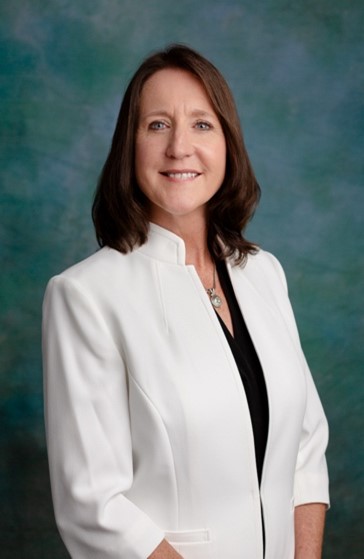
Dr. Bunnie L. Claxton is the founder and chief executive officer of Dissertation Research Specialist, a company that supports the implementation of doctoral programs in universities around the world. She currently serves as a consultant to universities regarding dissertation research to assist with program development, course development, and faculty training. She also provides support to doctoral candidates through her website www.dissertationspecialist.com. She is an adjunct instructor, subject matter expert, and dissertation chair for multiple universities. She is an international speaker, and she presented her research at Oxford University and Cambridge University in 2025. She was the keynote speaker for the World Conference on Teaching and Education in Berlin, Germany. Formerly, she served as the director of applied doctoral research at Liberty University. Dr. Claxton has been involved in the field of education since 1994, including public school, private school, home school, and higher education. Dr. Claxton served as the superintendent for Liberty University Online Academy, an online K–12 school with over 16,000 students, and she currently serves on the board of directors. She is the author of 20 textbooks and is best known for her Step-by-Step textbook series. A few titles include A Step-by-Step Guide to Conducting Applied Research, A Step-by-Step Guide to Conducting Qualitative Research, A Step-by-Step Guide to Conducting Quantitative Research, A Step-by-Step Guide to Writing a Literature Review for Doctoral Research, and A Step-by-Step Introduction to Research Methods: Qualitative, Quantitative, Mixed-Methods, and Applied.
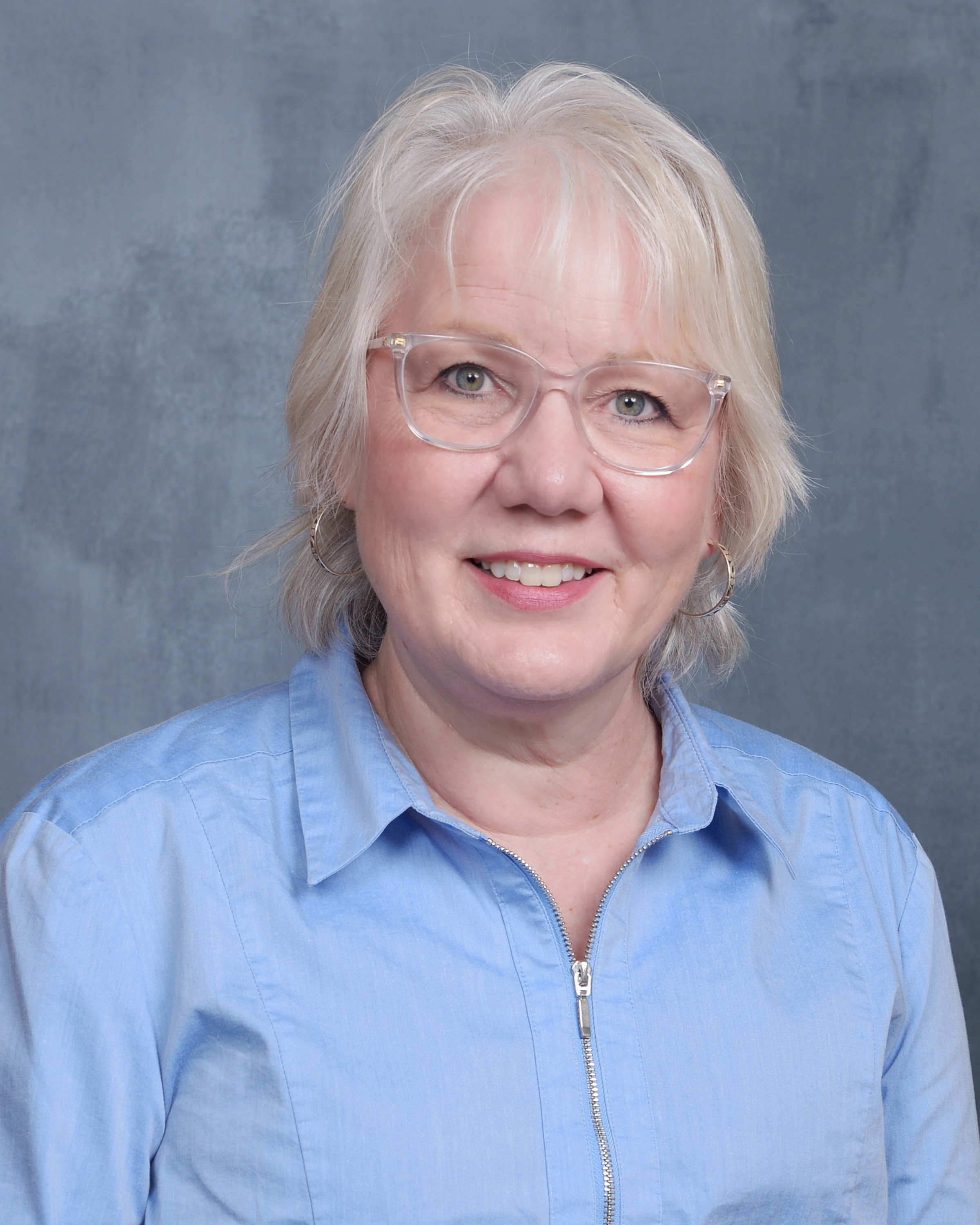
Dr. Lisa H. Joyner serves as the Chair of Graduate Education and Director of the Ed.D. Program at Veritas Baptist College, a fully online college dedicated to equipping Christians for ministry in churches, schools, and the mission field. She earned her master’s degree in Cross-Categorical Special Education from Regent University and her doctorate in Special Education from Liberty University.
Since joining Veritas in 2017, Dr. Joyner has played a key role in developing both graduate and undergraduate degree programs in special education, designed to help Christian schools expand their ministries to include children with special needs. She also contributed to the creation of the college’s Doctor of Education (Ed.D.)
program and continues to teach both general education and special education courses from her home in North Carolina.
Before her work at Veritas, Dr. Joyner taught middle and high school English and history in a Christian school, where she first felt a calling to support children with special needs. In 2007, she founded the Specialized Learning Center as part of a Christian school in Raleigh, North Carolina, to serve students with learning disabilities.
Dr. Joyner remains passionate about helping Christian schools across the country deepen their understanding of special education and strengthen their ability to provide high-quality Christian education for students who learn differently. She and her husband, Oscar, have two grown children: Brennen (and his wife, Claire) and Kayla (and her husband, Lewis). She welcomes questions or connections related to Christian education and special education at drlisajoyner22@gmail.com.
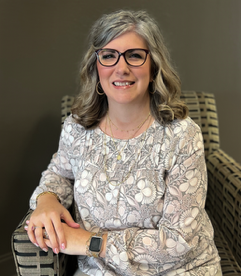
Dr. Krista M. Smith serves as Undergraduate Chair of Christian Education at Veritas Baptist College and Director of the Specialized Learning Center at Shenandoah Baptist Academy, supporting learners from preschool through adulthood. Growing up in a family of Christian school educators, she sensed the Lord’s call to education from an early age. After earning her bachelor’s degree, she began teaching in 2004 and later completed professional certification in Christian counseling.
In 2020, Dr. Smith earned her graduate degree in Special Education from Veritas Baptist College, where her capstone project explored ADHD medications and included experiences in juvenile detention and public-school programs. She completed her doctorate in Special Education at Veritas in 2026. Over her career, she has launched two special education programs in Christian schools and spoken at conferences across the United States and internationally to encourage and equip Christian educators.
Dr. Smith and her husband, Matt, have two children, Kirsten and Elliot. Their family’s journey through adoption and foster care has deepened their passion for ministering to children with unique needs and equipping Christian educators to do the same. She welcomes messages or opportunities to collaborate at DrKristaSmith26@gmail.com.
A Step-by-Step Guide to Developing a Special Education Program in a Christian School was written to provide a detailed plan and process to help educators in a Christian school to serve students with special needs. This book not only provides the “why,” but the “how” for implementing a special education program in a Christian school that adheres to legal and moral guidelines and serves students who have special education needs but want to learn from a Christian perspective.
Acknowledgments
Chapter 1: A Biblical Foundation for Special Education
Introduction
Biblical Foundation of Human Worth
Christian Education Reflects God’s Heart
Reaching People with Disabilities: A Call of the Great Commission
The Need for Christian Special Education
Biblical Principles That Guide Christian Special Education
The Eternal Impact of Christian Special Education
Responding to God’s Call to Serve All Students
Conclusion
Discussion Questions
Chapter 2: Understanding the Law and Students with Special Needs
Introduction
Historical Context and Legislative Foundations
IDEA: Definitions and Categories
Individualized Education Plan
Section 504 Plans and Common Non-IDEA Diagnoses
Child Find Requirements
Family Educational Rights and Privacy Act
Neurodiversity
The Inclusion Debate
Christian Schools and Special Education: Policy, Practice, and the Call to Inclusion
Conclusion
Discussion Questions
Chapter 3: How to Design a Special Education Program in a Christian School
Introduction
Step 1: Choose a Program Model
Step 2: Develop a Staffing Plan and Job Descriptions
Step 3: Set a Schedule that Minimizes Academic Disruption
Step 4: Allocate a Dedicated Space for Services
Step 5: Budget for Salaries, Materials, and Professional Development
Step 6: Explore Funding Models
Step 7: Identify Grants or Donor Opportunities for Start-Up Costs
Step 8: Begin Implementation with Sustainability in Mind
Conclusion
Discussion Questions
Chapter 4: How to Establish Enrollment Procedures and Admissions Decisions
Introduction
Step 1: Define the Scope of Services
Step 2: Establish Procedures for Admissions
Step 3: Communicate With Parents
Step 4: Secure Records and Permissions
Step 5: Interview Parents
Step 6: Submit Application
Step 7: Evaluate Status
Step 8: Conduct a Provisional Review
Step 9: Conduct a Student Visit and Screening
Step 10: Decide on Admission
Step 11: Draft Preliminary ISP
Step 12: Schedule Parent Conference
Step 13: Secure Contracts and Enrollment
Step 14: Implement Transition and Onboarding
Step 15: Review ISP and Placement Confirmation
Step 16: Monitor Consistently
Step 17: Review Annually
Conclusion
Discussion Questions
Chapter 5: How to Create Effective Learning Environments
Introduction
Step 1: Design Seating for Movement and Focus
Step 2: Use Visual Schedules and Instructional Reminders
Step 3: Equip Students with Tools for Access, Focus, and Independence
Step 4: Create a Calming Corner for Breaks and Regulation
Step 5: Minimize Distractions with Calm, Neutral Décor
Step 6: Plan for Accessibility and Inclusion in All Physical Spaces
Step 7: Involve Students in Environment Routines
Conclusion
Discussion Questions
Chapter 6: How to Foster Collaboration Between General and Special Educators
Introduction
Step 1: Establish Co-Teaching and Flexible Service Models in Core Subjects
Step 2: Schedule Protected Planning Time for Collaboration
Step 3: Utilize Shared Digital Tools for Consistent Communication and Record-Keeping
Step 4: Provide Ongoing Professional Development on Collaboration Strategies
Step 5: Build a Culture of Shared Ownership for Every Student
Step 6: Collaborate with Outside Providers as a Part of the Student Support Team
Conclusion
Discussion Questions
Chapter 7: How to Define the Roles and Responsibilities of the Special Education Team
Introduction
Step 1: Define the Administrator’s Role
Step 2: Define the Role of the Special Education Director
Step 3: Define the Duties of the Special Education Teacher
Step 4: Specify the Responsibilities of the General Education Teacher
Step 5: Engage Parents as Collaborative Partners
Step 6: Integrate Support from Outside Service Providers
Step 7: Empower the Student’s Active Participation
Conclusion
Discussion Questions
Chapter 8: How to Identify and Refer Struggling Students
Introduction
Step 1: Understand the Struggling Learner
Step 2: Observe and Document
Step 3: Implement Teacher Interventions
Step 4: Consult Using a Team-Based Approach
Step 5: Screen and Assess Students
Step 6: Consider Possible Referral to Special Services
Step 7: Develop a Support Plan
Step 8: Implement Supports and Monitor Progress
Step 9: Communicate and Collaborate
Conclusion
Discussion Questions
Chapter 9: How to Implement Instructional Interventions for Struggling Learners
Introduction
Step 1: Consider RTI and MTSS
Step 2: Conduct Universal Screening
Step 3: Implement Targeted Interventions
Step 4: Implement Progress Monitoring
Conclusion
Discussion Questions
Chapter 10: How to Initiate the Evaluation Process
Introduction
Step 1: Review Student Records and Interventions
Step 2: Obtain Parental Consent to Initiate a Request for an Evaluation
Step 3: Contact the LEA to Request an Evaluation
Step 4: Support the Evaluation Process
Step 5: Attend the Eligibility Determination and IEP Meeting
Step 6: Determine Next Steps Based on Evaluation Results
Conclusion
Discussion Questions
Chapter 11: How to Develop Academic Support Plans for Students with Disabilities
Introduction
Step 1: Document the PLAAFP
Step 2: Determine the Student’s Placement
Step 3: Write Measurable Goals and Objectives
Step 4: Implement Accommodations and Modifications
Step 5: Monitor Progress and Review Dates
Step 6: Select the Appropriate Diploma Tracks
Step 7: Obtain Required Signatures
Step 8: Implement the ISP
Conclusion
Discussion Questions
Chapter 12: How to Apply Differentiated Instruction and Universal Design for Learning
Introduction
Step 1: Consider Differentiation Areas
Step 2: Apply Universal Design for Learning Principles to Lesson Design
Step 3: Use Flexible Grouping and Student Choice
Step 4: Incorporate Visual, Auditory, and Kinesthetic Elements
Step 5: Implement Accommodations and Modifications from Service Plans
Step 6: Reflect, Adjust, and Repeat
Conclusion
Discussion Questions
Chapter 13: How to Support Students’ Social and Emotional Growth
Introduction
Step 1: Teach SEL Intentionally
Step 2: Build Routines That Promote Safety and Belonging
Step 3: Identify Signs of Emotional Distress
Step 4: Address Anxiety in Students
Step 5: Involve Families in Supporting Emotional Growth
Step 6: Develop Referral Pathways
Conclusion
Discussion Questions
Chapter 14: How to Address Behavioral Needs with Compassion and Structure
Introduction
Step 1: Identify Behavior Triggers and Patterns
Step 2: Conduct Functional Behavior Assessments
Step 3: Create Individualized Behavior Intervention Plans
Step 4: Integrate Behavior Goals into Service Plans
Step 5: Provide Staff Training on Positive Behavior Strategies
Step 6: Use Social Stories and Create Social Opportunities
Conclusion
Discussion Questions
Chapter 15: How to Prepare Students for Life Beyond School: Diplomas and Transcripts
Introduction
Transition Planning
Diploma Options
Transcripts and Academic Records
Conclusion
Discussion Questions
Chapter 16: How to Evaluate and Improve Your Special Education Program
Introduction
Step 1: Define Evaluation Objectives
Step 2: Engage Stakeholders in the Evaluation Process
Step 3: Select Tools and Methods for Evaluation
Step 4: Apply Key Principles for Evaluation
Step 5: Follow the Step-by-Step Evaluation Cycle
Step 6: Develop an Implementation Plan
Step 7: Establish Feedback and Evaluation Mechanisms
Step 8: Make Evaluation-Based Adjustments
Conclusion
Discussion Questions
Appendices:
Appendix A: Student Questionnaire
Appendix B: Parent Questionnaire
Appendix C: Teacher Questionnaire
Appendix D: Enrollment Procedures Checklist
Appendix E: Student Skills Assessment
Appendix F: General Classroom Observation Form
Appendix G: Student Focus, Learning, and Behavior Assessment
Appendix H: Pre-Referral Checklist
Appendix I: Student Observation Form
Appendix J: Response to Intervention Monitoring Form
Appendix K: Parent Consent for Referral for Special Education Evaluation
Appendix L: Sample Letter from School to LEA to Request Special Education Evaluation
Appendix M: Sample Letter from Parent to LEA to Request Special Education Evaluation
Appendix N: Individualized Support Plan (ISP) Template
Appendix O: ISP Goal Progress Monitoring
Appendix P: ISP at a Glance
Appendix Q: Student Health and Disability Plan Template
Appendix R: ABC Chart Template
Appendix S: Behavior Improvement Planning Table Template
Appendix T: Functional Behavior Assessment Template
Appendix U: Behavior Intervention Plan Template
Appendix V: Behavioral Intervention Quick Reference Sheet
References
Index
Dr. Bunnie L. Claxton is the founder and chief executive officer of Dissertation Research Specialist, a company that supports the implementation of doctoral programs in universities around the world. She currently serves as a consultant to universities regarding dissertation research to assist with program development, course development, and faculty training. She also provides support to doctoral candidates through her website www.dissertationspecialist.com. She is an adjunct instructor, subject matter expert, and dissertation chair for multiple universities. She is an international speaker, and she presented her research at Oxford University and Cambridge University in 2025. She was the keynote speaker for the World Conference on Teaching and Education in Berlin, Germany. Formerly, she served as the director of applied doctoral research at Liberty University. Dr. Claxton has been involved in the field of education since 1994, including public school, private school, home school, and higher education. Dr. Claxton served as the superintendent for Liberty University Online Academy, an online K–12 school with over 16,000 students, and she currently serves on the board of directors. She is the author of 20 textbooks and is best known for her Step-by-Step textbook series. A few titles include A Step-by-Step Guide to Conducting Applied Research, A Step-by-Step Guide to Conducting Qualitative Research, A Step-by-Step Guide to Conducting Quantitative Research, A Step-by-Step Guide to Writing a Literature Review for Doctoral Research, and A Step-by-Step Introduction to Research Methods: Qualitative, Quantitative, Mixed-Methods, and Applied.
Dr. Lisa H. Joyner serves as the Chair of Graduate Education and Director of the Ed.D. Program at Veritas Baptist College, a fully online college dedicated to equipping Christians for ministry in churches, schools, and the mission field. She earned her master’s degree in Cross-Categorical Special Education from Regent University and her doctorate in Special Education from Liberty University.
Since joining Veritas in 2017, Dr. Joyner has played a key role in developing both graduate and undergraduate degree programs in special education, designed to help Christian schools expand their ministries to include children with special needs. She also contributed to the creation of the college’s Doctor of Education (Ed.D.)
program and continues to teach both general education and special education courses from her home in North Carolina.
Before her work at Veritas, Dr. Joyner taught middle and high school English and history in a Christian school, where she first felt a calling to support children with special needs. In 2007, she founded the Specialized Learning Center as part of a Christian school in Raleigh, North Carolina, to serve students with learning disabilities.
Dr. Joyner remains passionate about helping Christian schools across the country deepen their understanding of special education and strengthen their ability to provide high-quality Christian education for students who learn differently. She and her husband, Oscar, have two grown children: Brennen (and his wife, Claire) and Kayla (and her husband, Lewis). She welcomes questions or connections related to Christian education and special education at drlisajoyner22@gmail.com.
Dr. Krista M. Smith serves as Undergraduate Chair of Christian Education at Veritas Baptist College and Director of the Specialized Learning Center at Shenandoah Baptist Academy, supporting learners from preschool through adulthood. Growing up in a family of Christian school educators, she sensed the Lord’s call to education from an early age. After earning her bachelor’s degree, she began teaching in 2004 and later completed professional certification in Christian counseling.
In 2020, Dr. Smith earned her graduate degree in Special Education from Veritas Baptist College, where her capstone project explored ADHD medications and included experiences in juvenile detention and public-school programs. She completed her doctorate in Special Education at Veritas in 2026. Over her career, she has launched two special education programs in Christian schools and spoken at conferences across the United States and internationally to encourage and equip Christian educators.
Dr. Smith and her husband, Matt, have two children, Kirsten and Elliot. Their family’s journey through adoption and foster care has deepened their passion for ministering to children with unique needs and equipping Christian educators to do the same. She welcomes messages or opportunities to collaborate at DrKristaSmith26@gmail.com.