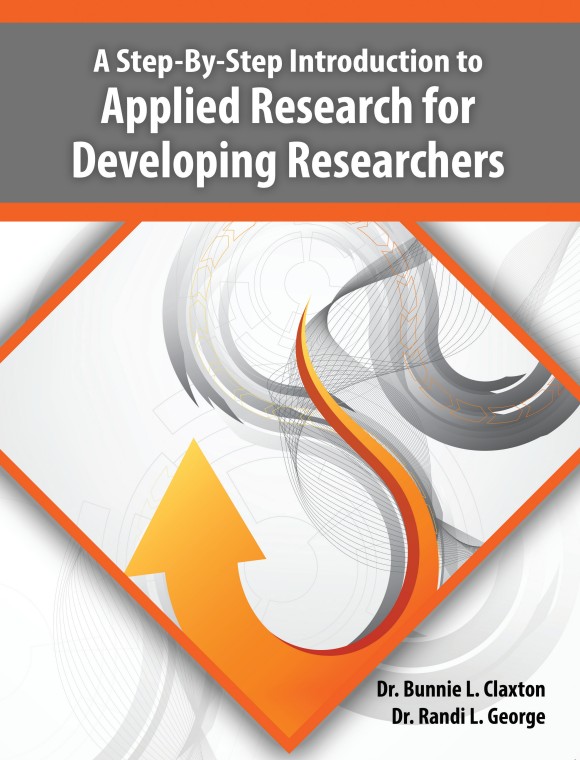
A Step-By-Step Introduction to Applied Research Methods for Developing Researchers
Edition: 1
Copyright: 2026
Pages: 162
Edition: 1
Copyright: 2026
Pages: 162
Choose Your Format
Print Package
$112.35 USD
Ebook
$90.95 USD
A Step-by-Step Introduction to Applied Research for Developing Researchers was written to guide the novice researcher through the process of conducting applied research for the purpose of solving a problem or improving a practice at a specific site. The result of this research is a applied research manuscript that can be used for a capstone or thesis. Features of this book are designed to support the novice researcher and include an explanation of applied research with details regarding how to identify a research topic, instructions on how to write a research question, and guidance on how to conduct a review of the current scholarly literature. After conducting a review of the literature, the researcher will learn how to conduct applied research by collecting and analyzing data, which is followed by the findings and conclusions. This book was designed to provide a step-by-step approach to applied research.
A Note to Instructors
Acknowledgments
Chapter 1: Introduction to Micro-Applied Research
Introduction to Micro-Applied Research
Micro-Applied Research Defined
Reasons to Conduct Micro-Applied Research
Steps to Conduct Micro-Applied Research
Four Core Elements
Conclusion
Chapter 2: Qualitative and Quantitative Research Approaches
Introduction
Qualitative Interviews
Quantitative Surveys
Conclusion
Chapter 3: How to Write the Front Matter and Chapter 1: Introduction
Introduction
What Is the Front Matter?
How to Write a Title for Micro-Applied Research
How to Write the Title Page
How to Write the Table of Contents
Introduction to Chapter 1
How to Write the Overview
How to Write the Introduction to the Problem
How to Write the Purpose Statement
How to Write the Significance of the Research
How to Write the Summary
Conclusion
Chapter 4: How to Write Chapter 2: Literature Review
Introduction
Steps to Compose a Literature Review
How to Analyze and Synthesize Scholarly Literature
Contents of a Literature Review
How to Locate Scholarly Sources
How to Write a Literature Review Outline
How to Write a Literature Review
How to Write the Overview
How to Write the Theoretical Framework
How to Write the Related Literature
How to Write the Summary
Conclusion
Chapter 5: How to Write Chapter 3: Methods
Introduction
How to Write the Overview
How to Write the Research Question
Ethical Considerations
How to Write the Ethical Considerations
How to Write the Permission to Conduct the Research
How to Write the Setting and Participants
How to Write the Research Methods
How to Write the Summary
Conclusion
Chapter 6: How to Write Chapter 4: Findings
Introduction
How to Analyze Data
How to Write the Overview
How to Write the Findings
How to Write the Analysis of the Research Design
How to Write the Summary
Conclusion
Chapter 7: How to Write Chapter 5: Conclusion
Introduction
How to Write the Overview
How to Write the Research Question Responses
How to Write the Recommendation
How to Write the Roles and Responsibilities
How to Write the Resources Needed
How to Write the Timeline
How to Write the Implications
How to Write the Summary
Conclusion
Chapter 8: How to Prepare Your Manuscript for Journal Submission
Introduction
How to Transform Your Study Into a Manuscript for Publication
Steps to Publish Your Research
Conclusion
Appendices
Appendix A: Micro-Applied Research Template
Appendix B: Individual Scholarly Works Template
Appendix C: Comparative Scholarly Works Analysis
Glossary
References
Index
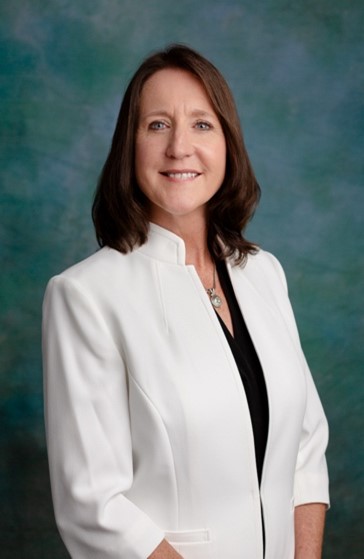
Dr. Bunnie L. Claxton is the founder and chief executive officer of Dissertation Research Specialist, a company that supports the implementation of doctoral programs in universities around the world. She currently serves as a consultant to universities regarding dissertation research to assist with program development, course development, and faculty training. She also provides support to doctoral candidates through her website www.dissertationspecialist.com. She is an adjunct instructor, subject matter expert, and dissertation chair for multiple universities. She is an international speaker, and she presented her research at Oxford University and Cambridge University in 2025. She was the keynote speaker for the World Conference on Teaching and Education in Berlin, Germany. Formerly, she served as the director of applied doctoral research at Liberty University. Dr. Claxton has been involved in the field of education since 1994, including public school, private school, home school, and higher education. Dr. Claxton served as the superintendent for Liberty University Online Academy, an online K–12 school with over 16,000 students, and she currently serves on the board of directors. She is the author of 20 textbooks and is best known for her Step-by-Step textbook series. A few titles include A Step-by-Step Guide to Conducting Applied Research, A Step-by-Step Guide to Conducting Qualitative Research, A Step-by-Step Guide to Conducting Quantitative Research, A Step-by-Step Guide to Writing a Literature Review for Doctoral Research, and A Step-by-Step Introduction to Research Methods: Qualitative, Quantitative, Mixed-Methods, and Applied.

Dr. Randi L. George is a business owner, research professor, and doctoral chair for multiple universities where she strives to support students to find success in their doctoral programs. She has been an educator since 2004 with experience teaching in a variety of educational models including traditional brick and mortar public schools, online public and charter schools, and higher education. She currently serves as director of achievement or a large public charter school and uses this role to emphasize data-driven learning. She oversees staff development surrounding data and assessment and has served as a speaker for multiple presentations centered on internal assessments and accreditation. She is an active committee member for the Western Association of Schools and Colleges (WASC) and has served as a WASC consultant for multiple schools and universities. Dr. George has written various articles surrounding hybrid education and seeks to share the benefits of individualized learning models and the positive impact it provides for students. Dr. George home schools her five children and advocates for education models that meet the needs of the whole child.
A Step-by-Step Introduction to Applied Research for Developing Researchers was written to guide the novice researcher through the process of conducting applied research for the purpose of solving a problem or improving a practice at a specific site. The result of this research is a applied research manuscript that can be used for a capstone or thesis. Features of this book are designed to support the novice researcher and include an explanation of applied research with details regarding how to identify a research topic, instructions on how to write a research question, and guidance on how to conduct a review of the current scholarly literature. After conducting a review of the literature, the researcher will learn how to conduct applied research by collecting and analyzing data, which is followed by the findings and conclusions. This book was designed to provide a step-by-step approach to applied research.
A Note to Instructors
Acknowledgments
Chapter 1: Introduction to Micro-Applied Research
Introduction to Micro-Applied Research
Micro-Applied Research Defined
Reasons to Conduct Micro-Applied Research
Steps to Conduct Micro-Applied Research
Four Core Elements
Conclusion
Chapter 2: Qualitative and Quantitative Research Approaches
Introduction
Qualitative Interviews
Quantitative Surveys
Conclusion
Chapter 3: How to Write the Front Matter and Chapter 1: Introduction
Introduction
What Is the Front Matter?
How to Write a Title for Micro-Applied Research
How to Write the Title Page
How to Write the Table of Contents
Introduction to Chapter 1
How to Write the Overview
How to Write the Introduction to the Problem
How to Write the Purpose Statement
How to Write the Significance of the Research
How to Write the Summary
Conclusion
Chapter 4: How to Write Chapter 2: Literature Review
Introduction
Steps to Compose a Literature Review
How to Analyze and Synthesize Scholarly Literature
Contents of a Literature Review
How to Locate Scholarly Sources
How to Write a Literature Review Outline
How to Write a Literature Review
How to Write the Overview
How to Write the Theoretical Framework
How to Write the Related Literature
How to Write the Summary
Conclusion
Chapter 5: How to Write Chapter 3: Methods
Introduction
How to Write the Overview
How to Write the Research Question
Ethical Considerations
How to Write the Ethical Considerations
How to Write the Permission to Conduct the Research
How to Write the Setting and Participants
How to Write the Research Methods
How to Write the Summary
Conclusion
Chapter 6: How to Write Chapter 4: Findings
Introduction
How to Analyze Data
How to Write the Overview
How to Write the Findings
How to Write the Analysis of the Research Design
How to Write the Summary
Conclusion
Chapter 7: How to Write Chapter 5: Conclusion
Introduction
How to Write the Overview
How to Write the Research Question Responses
How to Write the Recommendation
How to Write the Roles and Responsibilities
How to Write the Resources Needed
How to Write the Timeline
How to Write the Implications
How to Write the Summary
Conclusion
Chapter 8: How to Prepare Your Manuscript for Journal Submission
Introduction
How to Transform Your Study Into a Manuscript for Publication
Steps to Publish Your Research
Conclusion
Appendices
Appendix A: Micro-Applied Research Template
Appendix B: Individual Scholarly Works Template
Appendix C: Comparative Scholarly Works Analysis
Glossary
References
Index
Dr. Bunnie L. Claxton is the founder and chief executive officer of Dissertation Research Specialist, a company that supports the implementation of doctoral programs in universities around the world. She currently serves as a consultant to universities regarding dissertation research to assist with program development, course development, and faculty training. She also provides support to doctoral candidates through her website www.dissertationspecialist.com. She is an adjunct instructor, subject matter expert, and dissertation chair for multiple universities. She is an international speaker, and she presented her research at Oxford University and Cambridge University in 2025. She was the keynote speaker for the World Conference on Teaching and Education in Berlin, Germany. Formerly, she served as the director of applied doctoral research at Liberty University. Dr. Claxton has been involved in the field of education since 1994, including public school, private school, home school, and higher education. Dr. Claxton served as the superintendent for Liberty University Online Academy, an online K–12 school with over 16,000 students, and she currently serves on the board of directors. She is the author of 20 textbooks and is best known for her Step-by-Step textbook series. A few titles include A Step-by-Step Guide to Conducting Applied Research, A Step-by-Step Guide to Conducting Qualitative Research, A Step-by-Step Guide to Conducting Quantitative Research, A Step-by-Step Guide to Writing a Literature Review for Doctoral Research, and A Step-by-Step Introduction to Research Methods: Qualitative, Quantitative, Mixed-Methods, and Applied.
Dr. Randi L. George is a business owner, research professor, and doctoral chair for multiple universities where she strives to support students to find success in their doctoral programs. She has been an educator since 2004 with experience teaching in a variety of educational models including traditional brick and mortar public schools, online public and charter schools, and higher education. She currently serves as director of achievement or a large public charter school and uses this role to emphasize data-driven learning. She oversees staff development surrounding data and assessment and has served as a speaker for multiple presentations centered on internal assessments and accreditation. She is an active committee member for the Western Association of Schools and Colleges (WASC) and has served as a WASC consultant for multiple schools and universities. Dr. George has written various articles surrounding hybrid education and seeks to share the benefits of individualized learning models and the positive impact it provides for students. Dr. George home schools her five children and advocates for education models that meet the needs of the whole child.