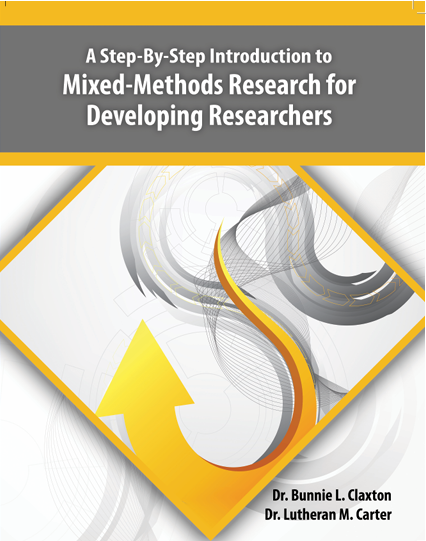
A Step-By-Step Introduction to Mixed Methods Research for Developing Researchers
Edition: 1
Copyright: 2026
Pages: 170
Edition: 1
Copyright: 2026
Pages: 170
Choose Your Format
Print Package
$99.00 USD
Ebook
$80.00 USD
This book provides a practical guide to conducting and writing micro-mixed methods research, combining quantitative and qualitative approaches within a single study. It explains research design, data collection, analysis, and integration while guiding readers through each section of a research manuscript, including the introduction, literature review, methods, results, and conclusions. The text also addresses ethical considerations, scholarly writing, and the publication process, offering templates and tools to help students and researchers complete and submit high-quality research projects.
A Note to Institution Leadership
American Psychological Association Format
Acknowledgments
Chapter 1: Introduction to Micro-Mixed Methods Research
Introduction to Micro-Mixed Methods Research
Micro-Mixed Methods Research Defined
Mixed Methods Research Designs
Reasons to Conduct Micro-Mixed Methods Research
Micro-Mixed Methods Manuscript Outline
Steps to Conduct Micro-Mixed Methods Research
Conclusion
Further Your Understanding
Chapter 2: Quantitative and Qualitative Research Approaches
Introduction
Quantitative Survey
Qualitative Questionnaire
Conclusion
Further Your Understanding
Chapter 3: How to Write the Front Matter and Chapter 1: Introduction
Introduction
How to Write the Front Matter
How to Write a Title
How to Write the Title Page
How to Write the Table of Contents
How to Write Chapter 1: Introduction
How to Write the Overview
How to Write the Problem Statement
How to Write the Purpose Statement
How to Write the Significance of the Study
How to Write the Research Questions
How to Write the Summary
Conclusion
Further Your Understanding
Chapter 4: How to Write Chapter 2: Literature Review
Introduction
Steps to Compose a Literature Review
How to Analyze and Synthesize Scholarly Literature
Contents of a Literature Review
How to Locate Scholarly Sources
How to Write a Literature Review Outline
How to Write a Literature Review
How to Write the Overview
How to Write the Theoretical Framework
How to Write the Related Literature
How to Write the Summary
Conclusion
Further Your Understanding
Chapter 5: How to Write Chapter 3: Methods
Introduction
How to Write the Overview
Ethical Considerations
How to Write the Ethical Considerations
How to Write the Rationale for Micro-Mixed Methods
How to Write the Micro-Mixed Methods Research Question
How to Create the Micro-Mixed Methods Data Collection Document
How to Write the Summary
Conclusion
Further Your Understanding
Chapter 6: How to Write Chapter 4: Results and Findings
Introduction
How to Analyze Quantitative Data
How to Analyze Qualitative Data
How to Write the Overview
How to Write the Research Question Responses
How to Write the Summary
Conclusion
Further Your Understanding
Chapter 7: How to Write Chapter 5: Conclusions
Introduction
How to Write the Overview
How to Write the Data Integration
How to Write the Implications
How to Write the Summary
Conclusion
Further Your Understanding
Chapter 8: How to Prepare Your Manuscript for Journal Submission
Introduction
How to Prepare Your Manuscript for Journal Submission
Steps to Publish Your Research
Conclusion
Appendices
Appendix A: Micro-Mixed Methods Research Template
Appendix B: Individual Scholarly Works Template
Appendix C: Comparative Scholarly Works Template
Glossary
References
Index
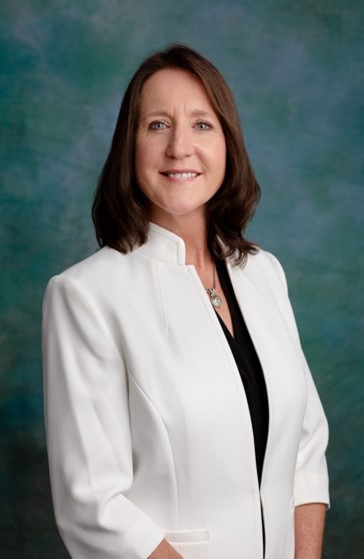
Dr. Bunnie L. Claxton is the founder and chief executive officer of Dissertation Research Specialist, a company that supports the implementation of doctoral programs in universities around the world. She currently serves as a consultant to universities regarding dissertation research to assist with program development, course development, and faculty training. She also provides support to doctoral candidates through her website www.dissertationspecialist.com. She is an adjunct instructor, subject matter expert, and dissertation chair for multiple universities. She is an international speaker, and she presented her research at Oxford University and Cambridge University in 2025. She was the keynote speaker for the World Conference on Teaching and Education in Berlin, Germany. Formerly, she served as the director of applied doctoral research at Liberty University. Dr. Claxton has been involved in the field of education since 1994, including public school, private school, home school, and higher education. Dr. Claxton served as the superintendent for Liberty University Online Academy, an online K–12 school with over 16,000 students, and she currently serves on the board of directors. She is the author of 20 textbooks and is best known for her Step-by-Step textbook series. A few titles include A Step-by-Step Guide to Conducting Applied Research, A Step-by-Step Guide to Conducting Qualitative Research, A Step-by-Step Guide to Conducting Quantitative Research, A Step-by-Step Guide to Writing a Literature Review for Doctoral Research, and A Step-by-Step Introduction to Research Methods: Qualitative, Quantitative, Mixed-Methods, and Applied.

Dr. Lutheran M. Carter is originally from Augusta, Georgia, and retired from the United States Navy on August 8, 2021, after 23 years of military service. His military assignments included Fighter Squadron VF 143 at Naval Air Station Oceana, Naval Base Coronado in San Diego, USS Bonhomme Richard in Sasebo, Japan, and USS Nimitz in Bremerton, Washington. As a senior enlisted leader, he applied principles from workforce education and development throughout his naval career, including developing course curricula for senior leaders and middle managers focused on team learning, leadership development, peer leadership, coaching, mentorship, and physical fitness training. He also helped create a leadership training program centered on ethics, leadership, and the professional development of junior enlisted sailors, and he served as training chairman for newly promoted senior enlisted leaders from 2017 to 2021 at various Navy installations.
While on active duty, Dr. Carter earned an associate degree in general studies from Vincennes University, a bachelor’s degree in workforce education and development from Southern Illinois University, and a master’s degree in workforce education and development from Southern Illinois University. In 2021, he earned a doctorate in organizational leadership with an emphasis in organizational development from Grand Canyon University. His dissertation examined chief petty officers’ leadership behaviors and whether those behaviors predicted organizational commitment among enlisted sailors in the United States Navy. In addition to his military responsibilities, he served as an exam administrator with the Resilience Building Leader Program and participated in the Wi2CoLab Dissertation Group, where he supported doctoral learners in completing their dissertations and developing as independent scholars.
This book provides a practical guide to conducting and writing micro-mixed methods research, combining quantitative and qualitative approaches within a single study. It explains research design, data collection, analysis, and integration while guiding readers through each section of a research manuscript, including the introduction, literature review, methods, results, and conclusions. The text also addresses ethical considerations, scholarly writing, and the publication process, offering templates and tools to help students and researchers complete and submit high-quality research projects.
A Note to Institution Leadership
American Psychological Association Format
Acknowledgments
Chapter 1: Introduction to Micro-Mixed Methods Research
Introduction to Micro-Mixed Methods Research
Micro-Mixed Methods Research Defined
Mixed Methods Research Designs
Reasons to Conduct Micro-Mixed Methods Research
Micro-Mixed Methods Manuscript Outline
Steps to Conduct Micro-Mixed Methods Research
Conclusion
Further Your Understanding
Chapter 2: Quantitative and Qualitative Research Approaches
Introduction
Quantitative Survey
Qualitative Questionnaire
Conclusion
Further Your Understanding
Chapter 3: How to Write the Front Matter and Chapter 1: Introduction
Introduction
How to Write the Front Matter
How to Write a Title
How to Write the Title Page
How to Write the Table of Contents
How to Write Chapter 1: Introduction
How to Write the Overview
How to Write the Problem Statement
How to Write the Purpose Statement
How to Write the Significance of the Study
How to Write the Research Questions
How to Write the Summary
Conclusion
Further Your Understanding
Chapter 4: How to Write Chapter 2: Literature Review
Introduction
Steps to Compose a Literature Review
How to Analyze and Synthesize Scholarly Literature
Contents of a Literature Review
How to Locate Scholarly Sources
How to Write a Literature Review Outline
How to Write a Literature Review
How to Write the Overview
How to Write the Theoretical Framework
How to Write the Related Literature
How to Write the Summary
Conclusion
Further Your Understanding
Chapter 5: How to Write Chapter 3: Methods
Introduction
How to Write the Overview
Ethical Considerations
How to Write the Ethical Considerations
How to Write the Rationale for Micro-Mixed Methods
How to Write the Micro-Mixed Methods Research Question
How to Create the Micro-Mixed Methods Data Collection Document
How to Write the Summary
Conclusion
Further Your Understanding
Chapter 6: How to Write Chapter 4: Results and Findings
Introduction
How to Analyze Quantitative Data
How to Analyze Qualitative Data
How to Write the Overview
How to Write the Research Question Responses
How to Write the Summary
Conclusion
Further Your Understanding
Chapter 7: How to Write Chapter 5: Conclusions
Introduction
How to Write the Overview
How to Write the Data Integration
How to Write the Implications
How to Write the Summary
Conclusion
Further Your Understanding
Chapter 8: How to Prepare Your Manuscript for Journal Submission
Introduction
How to Prepare Your Manuscript for Journal Submission
Steps to Publish Your Research
Conclusion
Appendices
Appendix A: Micro-Mixed Methods Research Template
Appendix B: Individual Scholarly Works Template
Appendix C: Comparative Scholarly Works Template
Glossary
References
Index
Dr. Bunnie L. Claxton is the founder and chief executive officer of Dissertation Research Specialist, a company that supports the implementation of doctoral programs in universities around the world. She currently serves as a consultant to universities regarding dissertation research to assist with program development, course development, and faculty training. She also provides support to doctoral candidates through her website www.dissertationspecialist.com. She is an adjunct instructor, subject matter expert, and dissertation chair for multiple universities. She is an international speaker, and she presented her research at Oxford University and Cambridge University in 2025. She was the keynote speaker for the World Conference on Teaching and Education in Berlin, Germany. Formerly, she served as the director of applied doctoral research at Liberty University. Dr. Claxton has been involved in the field of education since 1994, including public school, private school, home school, and higher education. Dr. Claxton served as the superintendent for Liberty University Online Academy, an online K–12 school with over 16,000 students, and she currently serves on the board of directors. She is the author of 20 textbooks and is best known for her Step-by-Step textbook series. A few titles include A Step-by-Step Guide to Conducting Applied Research, A Step-by-Step Guide to Conducting Qualitative Research, A Step-by-Step Guide to Conducting Quantitative Research, A Step-by-Step Guide to Writing a Literature Review for Doctoral Research, and A Step-by-Step Introduction to Research Methods: Qualitative, Quantitative, Mixed-Methods, and Applied.
Dr. Lutheran M. Carter is originally from Augusta, Georgia, and retired from the United States Navy on August 8, 2021, after 23 years of military service. His military assignments included Fighter Squadron VF 143 at Naval Air Station Oceana, Naval Base Coronado in San Diego, USS Bonhomme Richard in Sasebo, Japan, and USS Nimitz in Bremerton, Washington. As a senior enlisted leader, he applied principles from workforce education and development throughout his naval career, including developing course curricula for senior leaders and middle managers focused on team learning, leadership development, peer leadership, coaching, mentorship, and physical fitness training. He also helped create a leadership training program centered on ethics, leadership, and the professional development of junior enlisted sailors, and he served as training chairman for newly promoted senior enlisted leaders from 2017 to 2021 at various Navy installations.
While on active duty, Dr. Carter earned an associate degree in general studies from Vincennes University, a bachelor’s degree in workforce education and development from Southern Illinois University, and a master’s degree in workforce education and development from Southern Illinois University. In 2021, he earned a doctorate in organizational leadership with an emphasis in organizational development from Grand Canyon University. His dissertation examined chief petty officers’ leadership behaviors and whether those behaviors predicted organizational commitment among enlisted sailors in the United States Navy. In addition to his military responsibilities, he served as an exam administrator with the Resilience Building Leader Program and participated in the Wi2CoLab Dissertation Group, where he supported doctoral learners in completing their dissertations and developing as independent scholars.