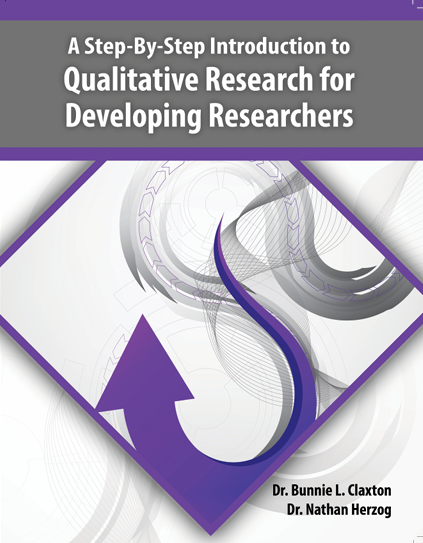
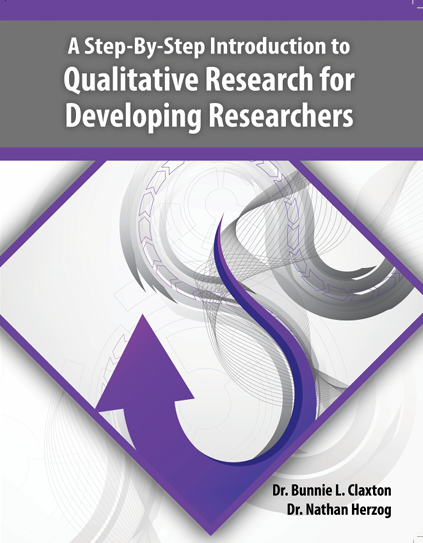
A Step-By-Step Introduction to Qualitative Research for Developing Researchers
Edition: 1
Copyright: 2026
Pages: 172
Edition: 1
Copyright: 2026
Pages: 172
Choose Your Format
Ebook
$75.00 USD
A Step-By-Step Introduction to Qualitative Research for Developing Researchers provides a practical guide to designing, conducting, writing, and publishing micro-qualitative research. The text introduces qualitative research designs, interviews, and content analysis before guiding readers through each chapter of a research study, including the introduction, literature review, methods, findings, and conclusions. It covers essential skills such as analyzing and synthesizing scholarly literature, developing research questions, addressing ethical considerations, analyzing qualitative data, and identifying research implications.
A Note to Instructors
Acknowledgments
Chapter 1: Introduction to Micro-Qualitative Research
Introduction to Micro-Qualitative Research
Micro-Qualitative Research Defined
Qualitative Research Designs
Steps to Conduct Micro-Qualitative Research
Conclusion
Further Your Understanding
Chapter 2: Qualitative Research Approaches
Introduction
Qualitative Interviews
Qualitative Content Analysis
Conclusion
Further Your Understanding
Chapter 3: How to Write Front Matter and Chapter 1: Introduction
Introduction
What Is the Front Matter?
How to Write a Title
How to Write the Title Page
How to Write the Table of Contents
Introduction to Chapter 1
How to Write the Overview
How to Write the Introduction to the Problem
How to Write the Purpose Statement
How to Write the Significance of the Research
How to Write the Summary
Conclusion
Further Your Understanding
Chapter 4: How to Write Chapter 2: Literature Review
Introduction
Steps to Compose a Literature Review
How to Analyze and Synthesize Scholarly Literature
Contents of a Literature Review
How to Locate Scholarly Sources
How to Write a Literature Review Outline
How to Write a Literature Review
How to Write the Overview
How to Write the Theoretical Framework
How to Write the Related Literature
How to Write the Summary
Conclusion
Further Your Understanding
Chapter 5: How to Write Chapter 3: Methods
Introduction
How to Write the Overview
How to Write the Research Questions
Ethical Considerations
How to Write the Ethical Considerations
How to Write the Permission to Conduct the Research
How to Write the Setting and Participants
How to Write the Research Methods
How to Write the Content Analysis Methods
How to Write the Summary
Conclusion
Further Your Understanding
Chapter 6: How to Write Chapter 4: Findings
Introduction
How to Analyze Qualitative Data
How to Write the Overview
How to Write the Findings
How to Write the Summary
Conclusion
Further Your Understanding
Chapter 7: How to Write Chapter 5: Conclusions
Introduction
How to Write the Overview
How to Write the Research Questions Responses
How to Write the Implications
How to Write the Summary
Conclusion
Further Your Understanding
Chapter 8: How to Publish Your Research
Introduction
How to Transform Your Study Into a Manuscript for Publication
Steps to Publish Your Research
Conclusion
Appendices
Appendix A: Micro-Qualitative Research Template
Appendix B: Individual Scholarly Works Template
Appendix C: Comparative Scholarly Works Template
Glossary
References
Index
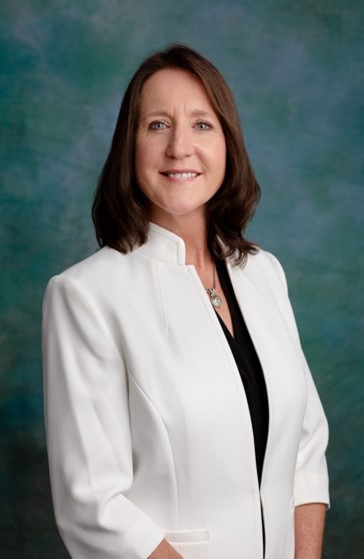
Dr. Bunnie L. Claxton is the founder and chief executive officer of Dissertation Research Specialist, a company that supports the implementation of doctoral programs in universities around the world. She currently serves as a consultant to universities regarding dissertation research to assist with program development, course development, and faculty training. She also provides support to doctoral candidates through her website www.dissertationspecialist.com. She is an adjunct instructor, subject matter expert, and dissertation chair for multiple universities. She is an international speaker, and she presented her research at Oxford University and Cambridge University in 2025. She was the keynote speaker for the World Conference on Teaching and Education in Berlin, Germany. Formerly, she served as the director of applied doctoral research at Liberty University. Dr. Claxton has been involved in the field of education since 1994, including public school, private school, home school, and higher education. Dr. Claxton served as the superintendent for Liberty University Online Academy, an online K–12 school with over 16,000 students, and she currently serves on the board of directors. She is the author of 20 textbooks and is best known for her Step-by-Step textbook series. A few titles include A Step-by-Step Guide to Conducting Applied Research, A Step-by-Step Guide to Conducting Qualitative Research, A Step-by-Step Guide to Conducting Quantitative Research, A Step-by-Step Guide to Writing a Literature Review for Doctoral Research, and A Step-by-Step Introduction to Research Methods: Qualitative, Quantitative, Mixed-Methods, and Applied.
Dr. Nathan Herzog is a seasoned educational leader whose career spans more than 26 years in public, private, and charter schools, with experience ranging from preschool classrooms to doctoral-level programs. He has served as a K-12 teacher, department chair, and administrator, and currently holds a tenured faculty position and serves as Dean of a School of Education. His leadership has shaped academic programs, driven institutional accreditation, and guided future educators and administrators through every phase of their careers.
Holding a Master’s in Multicultural Education and a Ph.D. in Leadership in Higher Education, Dr. Herzog has combined rigorous academic training with practical leadership. He has developed and directed graduate programs, implemented data-driven initiatives, and earned multiple awards for teaching excellence and educational impact.
Dr. Herzog’s commitment to community-based education is reflected in his work with the California Department of Education (CDE), the California Commission on Teacher Credentialing (CCTC), and local school districts and county offices of education. He has held advisory and leadership roles with nonprofits, child advocacy organizations, and city and county planning commissions, building bridges between schools, political leaders, and support agencies to improve educational systems and outcomes statewide.
A Step-By-Step Introduction to Qualitative Research for Developing Researchers provides a practical guide to designing, conducting, writing, and publishing micro-qualitative research. The text introduces qualitative research designs, interviews, and content analysis before guiding readers through each chapter of a research study, including the introduction, literature review, methods, findings, and conclusions. It covers essential skills such as analyzing and synthesizing scholarly literature, developing research questions, addressing ethical considerations, analyzing qualitative data, and identifying research implications.
A Note to Instructors
Acknowledgments
Chapter 1: Introduction to Micro-Qualitative Research
Introduction to Micro-Qualitative Research
Micro-Qualitative Research Defined
Qualitative Research Designs
Steps to Conduct Micro-Qualitative Research
Conclusion
Further Your Understanding
Chapter 2: Qualitative Research Approaches
Introduction
Qualitative Interviews
Qualitative Content Analysis
Conclusion
Further Your Understanding
Chapter 3: How to Write Front Matter and Chapter 1: Introduction
Introduction
What Is the Front Matter?
How to Write a Title
How to Write the Title Page
How to Write the Table of Contents
Introduction to Chapter 1
How to Write the Overview
How to Write the Introduction to the Problem
How to Write the Purpose Statement
How to Write the Significance of the Research
How to Write the Summary
Conclusion
Further Your Understanding
Chapter 4: How to Write Chapter 2: Literature Review
Introduction
Steps to Compose a Literature Review
How to Analyze and Synthesize Scholarly Literature
Contents of a Literature Review
How to Locate Scholarly Sources
How to Write a Literature Review Outline
How to Write a Literature Review
How to Write the Overview
How to Write the Theoretical Framework
How to Write the Related Literature
How to Write the Summary
Conclusion
Further Your Understanding
Chapter 5: How to Write Chapter 3: Methods
Introduction
How to Write the Overview
How to Write the Research Questions
Ethical Considerations
How to Write the Ethical Considerations
How to Write the Permission to Conduct the Research
How to Write the Setting and Participants
How to Write the Research Methods
How to Write the Content Analysis Methods
How to Write the Summary
Conclusion
Further Your Understanding
Chapter 6: How to Write Chapter 4: Findings
Introduction
How to Analyze Qualitative Data
How to Write the Overview
How to Write the Findings
How to Write the Summary
Conclusion
Further Your Understanding
Chapter 7: How to Write Chapter 5: Conclusions
Introduction
How to Write the Overview
How to Write the Research Questions Responses
How to Write the Implications
How to Write the Summary
Conclusion
Further Your Understanding
Chapter 8: How to Publish Your Research
Introduction
How to Transform Your Study Into a Manuscript for Publication
Steps to Publish Your Research
Conclusion
Appendices
Appendix A: Micro-Qualitative Research Template
Appendix B: Individual Scholarly Works Template
Appendix C: Comparative Scholarly Works Template
Glossary
References
Index
Dr. Bunnie L. Claxton is the founder and chief executive officer of Dissertation Research Specialist, a company that supports the implementation of doctoral programs in universities around the world. She currently serves as a consultant to universities regarding dissertation research to assist with program development, course development, and faculty training. She also provides support to doctoral candidates through her website www.dissertationspecialist.com. She is an adjunct instructor, subject matter expert, and dissertation chair for multiple universities. She is an international speaker, and she presented her research at Oxford University and Cambridge University in 2025. She was the keynote speaker for the World Conference on Teaching and Education in Berlin, Germany. Formerly, she served as the director of applied doctoral research at Liberty University. Dr. Claxton has been involved in the field of education since 1994, including public school, private school, home school, and higher education. Dr. Claxton served as the superintendent for Liberty University Online Academy, an online K–12 school with over 16,000 students, and she currently serves on the board of directors. She is the author of 20 textbooks and is best known for her Step-by-Step textbook series. A few titles include A Step-by-Step Guide to Conducting Applied Research, A Step-by-Step Guide to Conducting Qualitative Research, A Step-by-Step Guide to Conducting Quantitative Research, A Step-by-Step Guide to Writing a Literature Review for Doctoral Research, and A Step-by-Step Introduction to Research Methods: Qualitative, Quantitative, Mixed-Methods, and Applied.
Dr. Nathan Herzog is a seasoned educational leader whose career spans more than 26 years in public, private, and charter schools, with experience ranging from preschool classrooms to doctoral-level programs. He has served as a K-12 teacher, department chair, and administrator, and currently holds a tenured faculty position and serves as Dean of a School of Education. His leadership has shaped academic programs, driven institutional accreditation, and guided future educators and administrators through every phase of their careers.
Holding a Master’s in Multicultural Education and a Ph.D. in Leadership in Higher Education, Dr. Herzog has combined rigorous academic training with practical leadership. He has developed and directed graduate programs, implemented data-driven initiatives, and earned multiple awards for teaching excellence and educational impact.
Dr. Herzog’s commitment to community-based education is reflected in his work with the California Department of Education (CDE), the California Commission on Teacher Credentialing (CCTC), and local school districts and county offices of education. He has held advisory and leadership roles with nonprofits, child advocacy organizations, and city and county planning commissions, building bridges between schools, political leaders, and support agencies to improve educational systems and outcomes statewide.