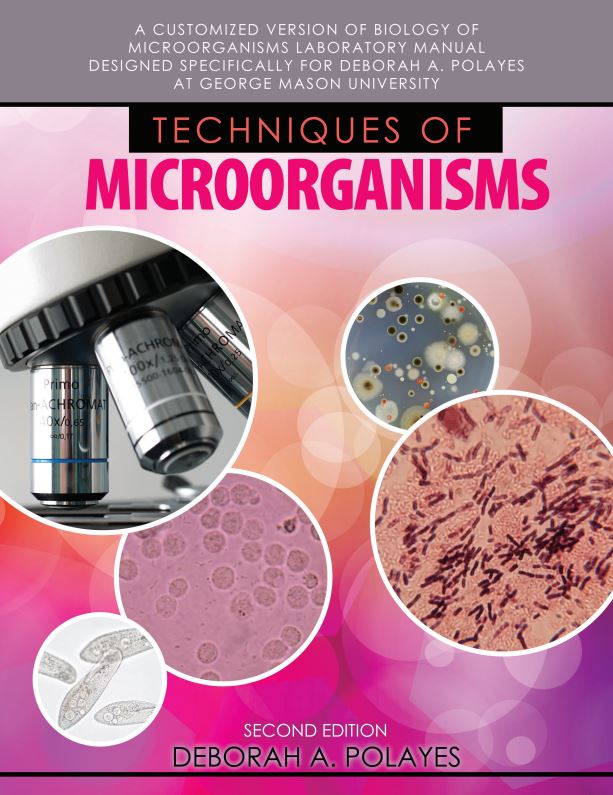
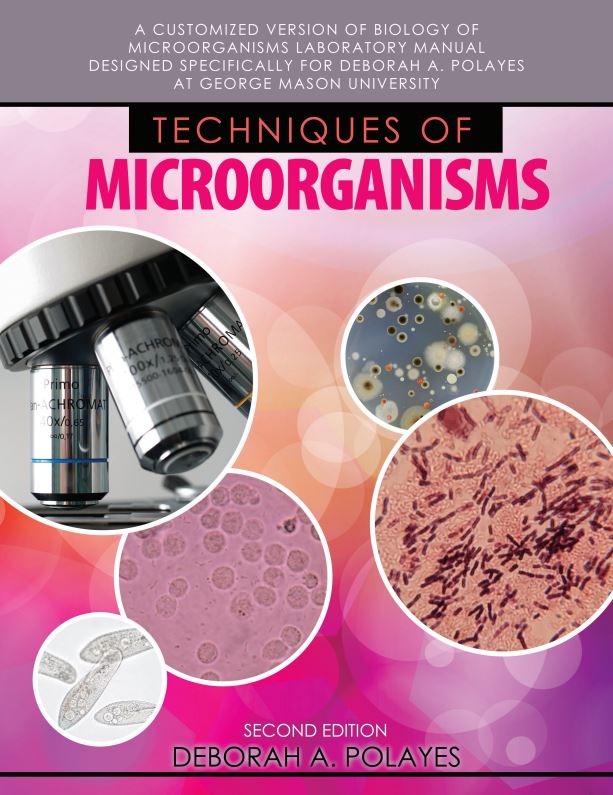
Techniques of Microorganisms
Edition: 2
Copyright: 2022
Pages: 132
Choose Your Format
$104.48 USD
Techniques of Microorganisms introduces students to methods of culturing microorganisms, staining microorganisms, and identifying bacteria by commonly used techniques. Students will look at the effect of antimicrobial agents on bacteria and be introduced to bacterial genetics, both conjugation and transformation. Each exercise in the laboratory manual is divided into five sections: Introduction, Materials, Procedure, Results, and Questions.
Welcome to the Microbiology Lab
Rules of the Laboratory
Emergency Information
Introduction: Principles of Safe Use of Microorganisms in the Laboratory
Exercise
1 Microbes Are Everywhere
2 Culture of Microorganisms
3 Bright-Field Microscopy
4 Microscopic Measurements
5 Pure Culture Techniques
6 The Gram Stain
7 Identification of an Unknown Bacterium–Background Information
8 Tests for Unknown One
9 Measurement of Bacterial Cell Number
10 Use of a Micropipettor
11 Identification of an Unknown Enterobacteriaceae
12 Bacteriophage Assay
13 Demonstration and Discussion: Disinfectants and Antiseptics
14 Demonstration and Discussion: Antibiotics
Deborah Polayes is Professor Emerita of Biology at George Mason University. She earned her Ph.D. in Biochemistry from Michigan State University and her B.Sc. in Biology from the University of Connecticut. Before joining academia, Dr. Polayes spent more than 15 years in the biotechnology industry, contributing to projects involving DNA and RNA polymerases, the Gateway Cloning System, competent cell technologies, and mycoplasma testing, and she holds a patent for a PCR-based method for identifying mycoplasma. As Director of Undergraduate Studies, she guided students through degree requirements and academic planning while bringing extensive industry experience to biology education.