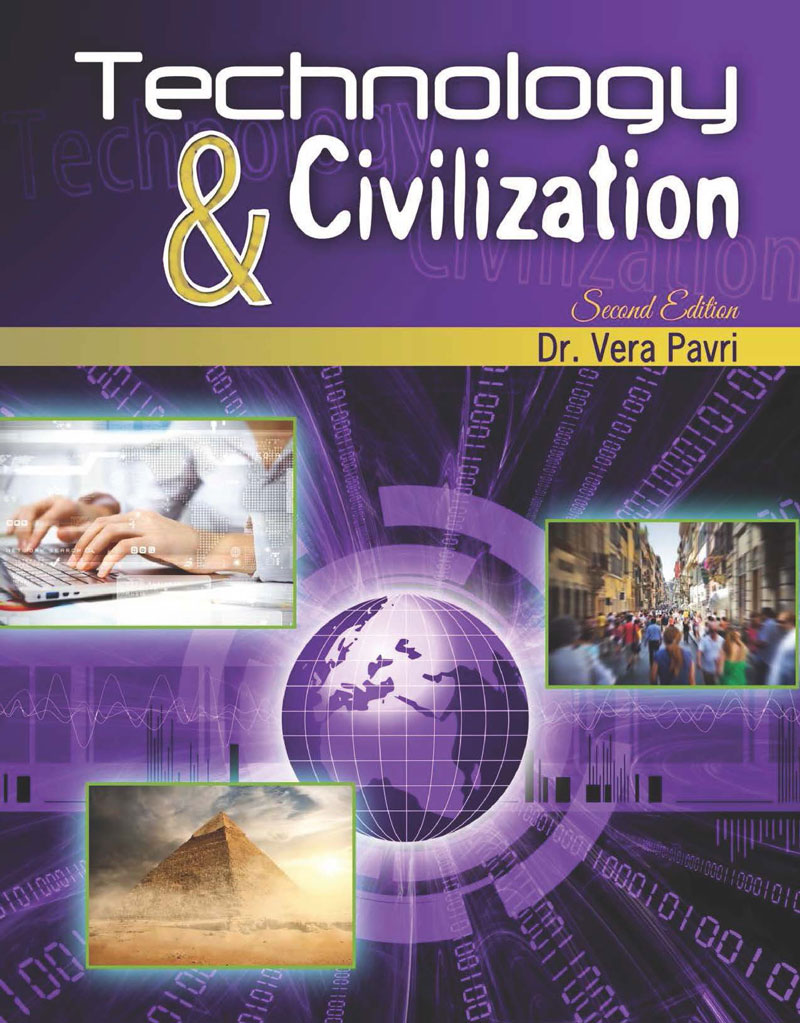
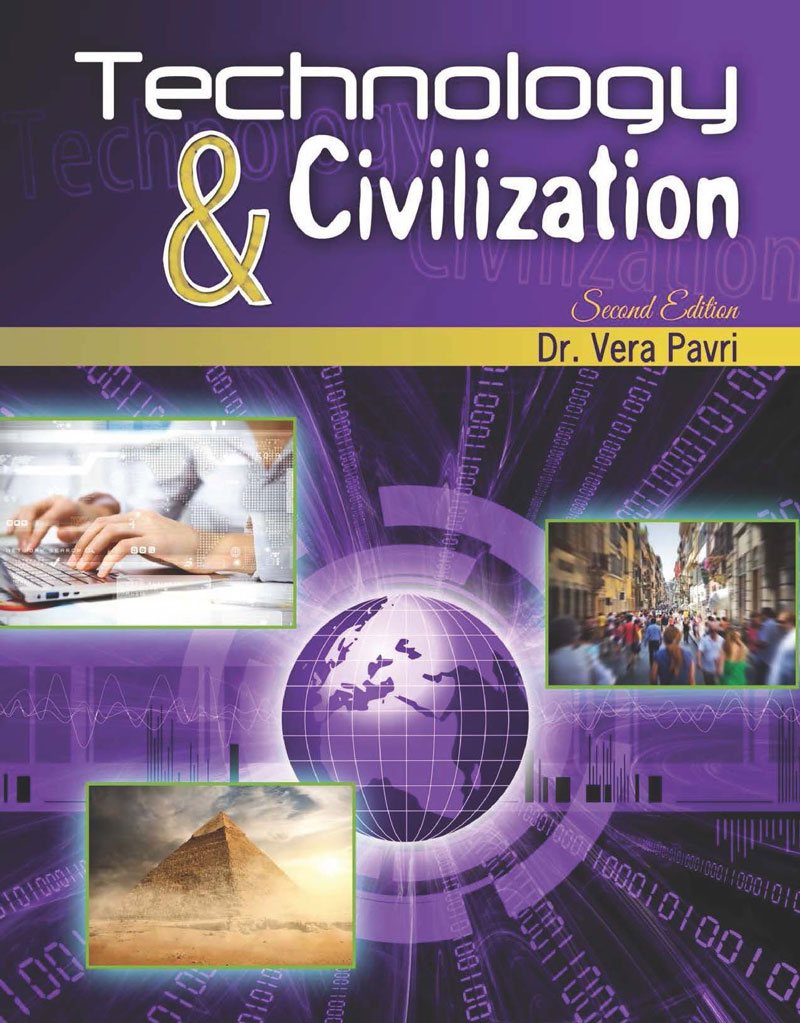
Technology & Civilization
Edition: 2
Copyright: 2016
Pages: 198
Choose Your Format
Ebook
$51.06 USD
NOTE: The listed prices above are in U.S. currency
Technology & Civilization explores the dynamic relationship between technological innovation, scientific discovery, and human society across history. From medieval engineering and the Scientific Revolution to the Industrial Revolution, mass production, and the digital age, this reader examines how technology has transformed economies, cultures, politics, and everyday life. The selected readings highlight the historical development of technological systems while encouraging readers to consider the social, ethical, and environmental consequences of scientific and technological progress.
Throughout the text, readers investigate the evolution of technology within different historical contexts, including the rise of industrialization, global conflicts, medical and scientific breakthroughs, communication technologies, and computing. The collection also examines how technology has influenced power, labor, warfare, environmental change, and globalization, demonstrating that technological advancement is shaped as much by human values and institutions as by scientific knowledge.
The latter portion of the book focuses on contemporary issues, including the growth of personal computing, biotechnology, genomics, user-centered innovation, and environmental sustainability. By combining historical perspectives with modern case studies, Technology & Civilization provides students with a broad understanding of how science and technology have continually reshaped civilization while raising important questions about innovation, responsibility, and the future of human society.
Introduction
Reading 1: Two Questions Concerning Technology
Reading 2: Overview: Technology and History ("Kranzberg's Laws")
Reading 3: Technology in the Medieval West
Reading 4: Historiographical Layers in the Relationship between Science and Technology
Reading 5: The Scientific Revolution and The Death of Nature
Reading 6: Contested Hegemony: The Great War and the Afro-Asian Assault on the Civilizing Mission Ideology
Reading 7: Why in America?
Reading 8: The System Must Be First
Reading 9: Mass Production
Reading 10: Nazi Science and Nazi Medical Ethics: Some Myths and Misconceptions
Reading 11: The Atomic Bombings Reconsidered
Reading 12: Ideologically Correct Science
Reading 13: Introduction: How Users and Non-Users Matter
Reading 14: Touch Someone: The Telephone Industry Discovers Sociability
Reading 15: The Personal Computer
Reading 16: Rosalind Franklin and the Double Helix
Reading 17: Genomics and Its Impact on Science and Society
Reading 18: Ecology and Environmentalism

Vera Pavri received her PhD in the History and Philosophy of Science and Technology at the University of Toronto. She is an Associate Professor in the Science, Technology and Society Department (STS) and teaches in both STS and NATS.
Professor Pavri currently teaches a variety of NATS courses including Technology and Civilization (NATS 1775), Computers, Information and Society (NATS 1700) and Understanding Cyberspace (NATS 1505). Her STS courses include Science, Technology and Racial Social Justice (STS 2333) and The Global Information Society (STS 3500).
Dr. Pavri’s research interests include studying how socio-cultural values shape our digital environments (including AI), and how these systems have helped transform the way we work, play, communicate, think and process information. Some of her articles have been published in journals such as Technology and Culture; Vaccine; Journal of Computer Mediated Communication; and Journal of the American Medical Association.
NOTE: The listed prices above are in U.S. currency
Technology & Civilization explores the dynamic relationship between technological innovation, scientific discovery, and human society across history. From medieval engineering and the Scientific Revolution to the Industrial Revolution, mass production, and the digital age, this reader examines how technology has transformed economies, cultures, politics, and everyday life. The selected readings highlight the historical development of technological systems while encouraging readers to consider the social, ethical, and environmental consequences of scientific and technological progress.
Throughout the text, readers investigate the evolution of technology within different historical contexts, including the rise of industrialization, global conflicts, medical and scientific breakthroughs, communication technologies, and computing. The collection also examines how technology has influenced power, labor, warfare, environmental change, and globalization, demonstrating that technological advancement is shaped as much by human values and institutions as by scientific knowledge.
The latter portion of the book focuses on contemporary issues, including the growth of personal computing, biotechnology, genomics, user-centered innovation, and environmental sustainability. By combining historical perspectives with modern case studies, Technology & Civilization provides students with a broad understanding of how science and technology have continually reshaped civilization while raising important questions about innovation, responsibility, and the future of human society.
Introduction
Reading 1: Two Questions Concerning Technology
Reading 2: Overview: Technology and History ("Kranzberg's Laws")
Reading 3: Technology in the Medieval West
Reading 4: Historiographical Layers in the Relationship between Science and Technology
Reading 5: The Scientific Revolution and The Death of Nature
Reading 6: Contested Hegemony: The Great War and the Afro-Asian Assault on the Civilizing Mission Ideology
Reading 7: Why in America?
Reading 8: The System Must Be First
Reading 9: Mass Production
Reading 10: Nazi Science and Nazi Medical Ethics: Some Myths and Misconceptions
Reading 11: The Atomic Bombings Reconsidered
Reading 12: Ideologically Correct Science
Reading 13: Introduction: How Users and Non-Users Matter
Reading 14: Touch Someone: The Telephone Industry Discovers Sociability
Reading 15: The Personal Computer
Reading 16: Rosalind Franklin and the Double Helix
Reading 17: Genomics and Its Impact on Science and Society
Reading 18: Ecology and Environmentalism
Vera Pavri received her PhD in the History and Philosophy of Science and Technology at the University of Toronto. She is an Associate Professor in the Science, Technology and Society Department (STS) and teaches in both STS and NATS.
Professor Pavri currently teaches a variety of NATS courses including Technology and Civilization (NATS 1775), Computers, Information and Society (NATS 1700) and Understanding Cyberspace (NATS 1505). Her STS courses include Science, Technology and Racial Social Justice (STS 2333) and The Global Information Society (STS 3500).
Dr. Pavri’s research interests include studying how socio-cultural values shape our digital environments (including AI), and how these systems have helped transform the way we work, play, communicate, think and process information. Some of her articles have been published in journals such as Technology and Culture; Vaccine; Journal of Computer Mediated Communication; and Journal of the American Medical Association.