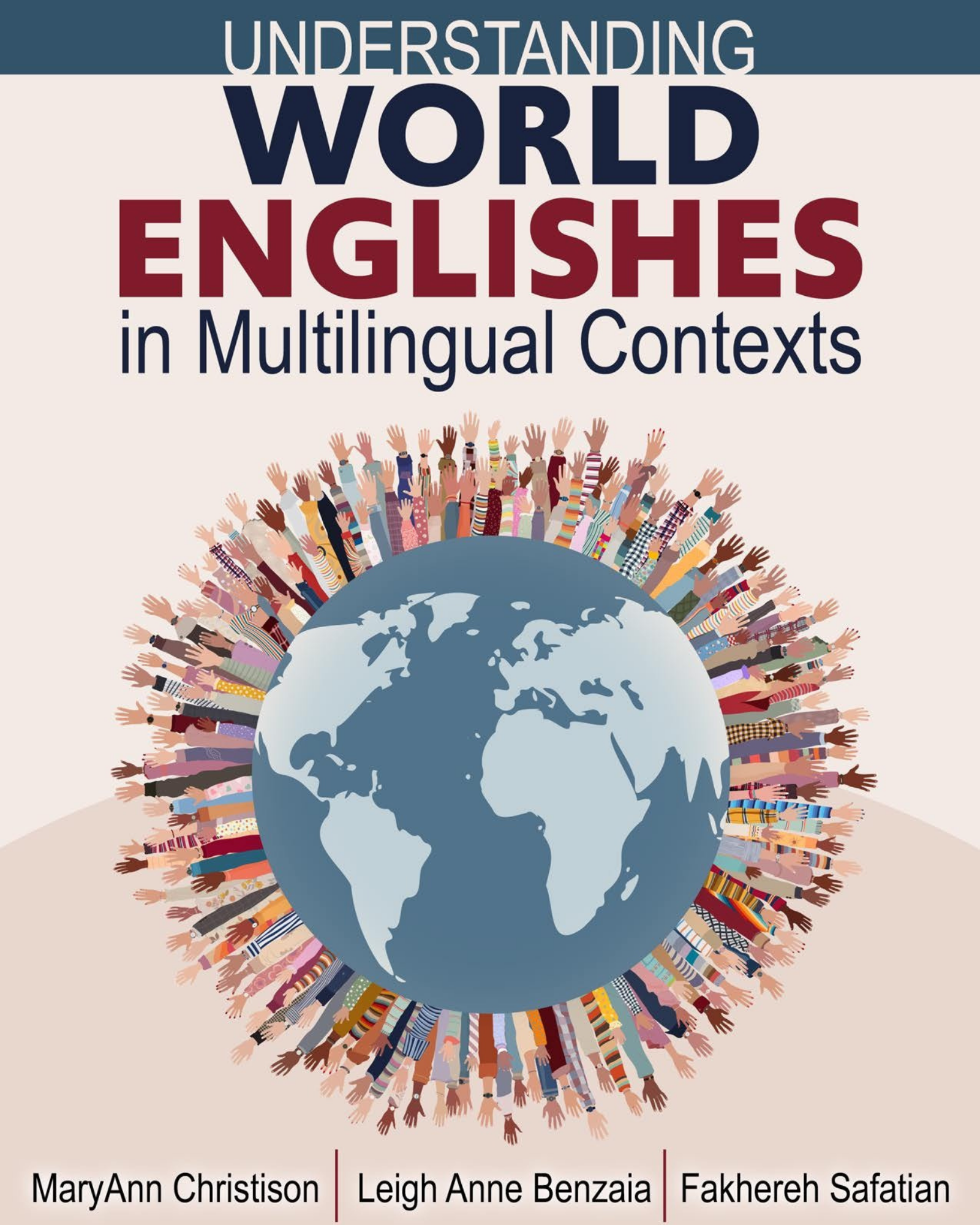
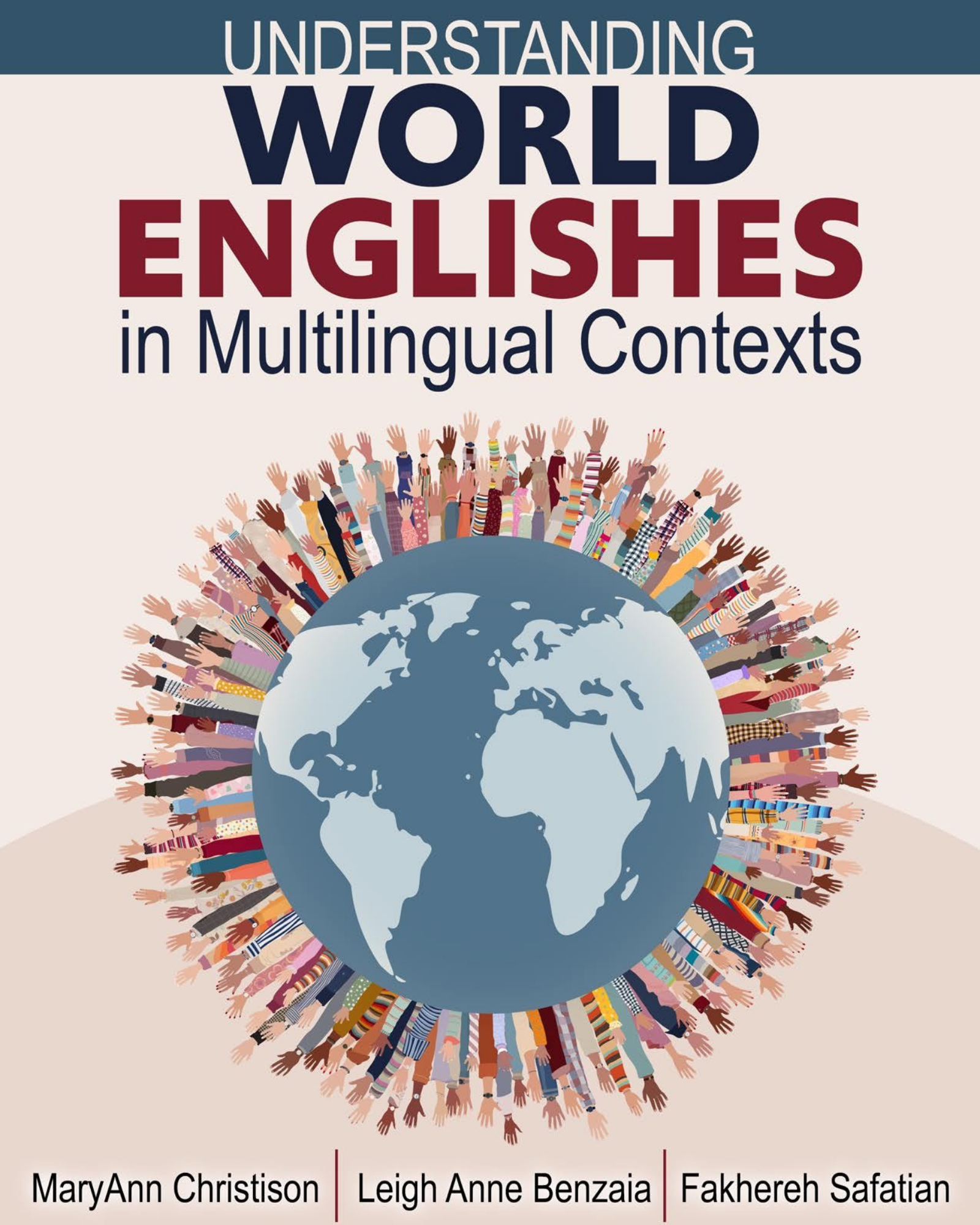
Understanding World Englishes in Multilingual Contexts

Edition: 1

Copyright: 2026

Pages: 250

Choose Your Format

Ebook

$65.00 USD

ISBN 9798319732217

Details Electronic Delivery EBOOK 180 days

Understanding World Englishes in Multilingual Contexts is a comprehensive introduction to the diverse forms and functions of English in the multilingual world of the 21st century. The text examines how English has evolved as a global language while highlighting the linguistic, historical, social, and cultural forces that shape its use across regions and communities. 

Designed for undergraduate and graduate courses in World Englishes, TESOL, applied linguistics, and related fields, the book assumes no prior background in linguistics. Foundational chapters introduce essential concepts in linguistics and sociolinguistics before exploring established and emerging varieties of English across all regions of the world. The book concludes with an examination of English as a global lingua franca and its role in an interconnected world. 

Throughout, readers are encouraged to critically examine the relationships among language, identity, culture, power, and globalization. In-text definitions, real-world examples, and end-of-chapter discussion questions support student learning and make the text an engaging resource for both classroom instruction and independent study.

Preface 
About the Authors

PART I Background to the Study of World Englishes
Chapter 1 Basic Linguistic Concepts
Chapter 2 Basic Sociolinguistic Concepts
Chapter 3 Conceptions of English as a Global Language

PART II Varieties and Variations of English 
Chapter 4 Englishes of England, Scotland, and Wales
Chapter 5 Variation in American English
Chapter 6 Exploring Australian and New Zealand English
Chapter 7 The Subcontinent and South Asian Varieties of English
Chapter 8 Englishes in Southeast Asia

PART III Emerging Englishes 
Chapter 9 English Voices From Mexico and South America
Chapter 10 Englishes in Hong Kong and China
Chapter 11 English Voices From Africa

PART IV English in Multilingual Contexts 
Chapter 12 English as a Lingua Franca

MaryAnn Christison

MaryAnn Christison is Distinguished Professor of Linguistics in the Department of Linguistics at the University of Utah. She is an applied linguist whose research focuses on second language acquisition, multilingualism, and L2+ pedagogy. She has been President of TESOL International and received both the Alatis Award and a 50@50 Award for Distinguished Research and Service to the profession of TESOL. Within her own institution, she has received the Distinguished Graduate Student Mentoring Award from the Graduate School and Student Choice Awards from the Associated Students of the University of Utah and her own department. She serves on the Board of Trustees for The International Research Foundation (TIRF) for English language education and is Co-chair of the Research Advisory Committee. She is author or over 200 peerreviewed journal articles and book chapters. Understanding World Englishes in Multilingual Contexts (Kendall Hunt Publishing) is her 25th book and her first textbook. She has worked with over 3,000 English language teachers in 35 countries.

Leigh A. Benzaia

Leigh Anne Benzaia is an applied linguist whose research focuses on the intersection of language, the law, and second language acquisition. She holds a PhD in Linguistics from the University of Utah, where her dissertation research earned her a Doctoral Dissertation Grant (DDG) from the International Research Foundation (TIRF). Her work in forensic and historical linguistics includes a monograph and peer-reviewed articles, which have informed her contributions to World Englishes scholarship.

Fakhereh Safatian

Fakhereh Safatian received her PhD in Linguistics at the University of Utah, specializing in sociolinguistics and multilingualism. With over 10 years of experience in English language instruction and teacher education and professional development, her research focuses on Dominant Language Constellation (DLC) and identity negotiation in higher education. She is dedicated to fostering inclusive pedagogical environments that empower diverse learners to achieve academic and personal success.