Physics Laboratory Manual: 2121/2511 teaches students how to apply the scientific method in various physics situations. It gives descriptions of each laboratory and explains some of the concepts required to be understood in order to complete the course. This lab manual also illustrates concepts through everyday life examples.
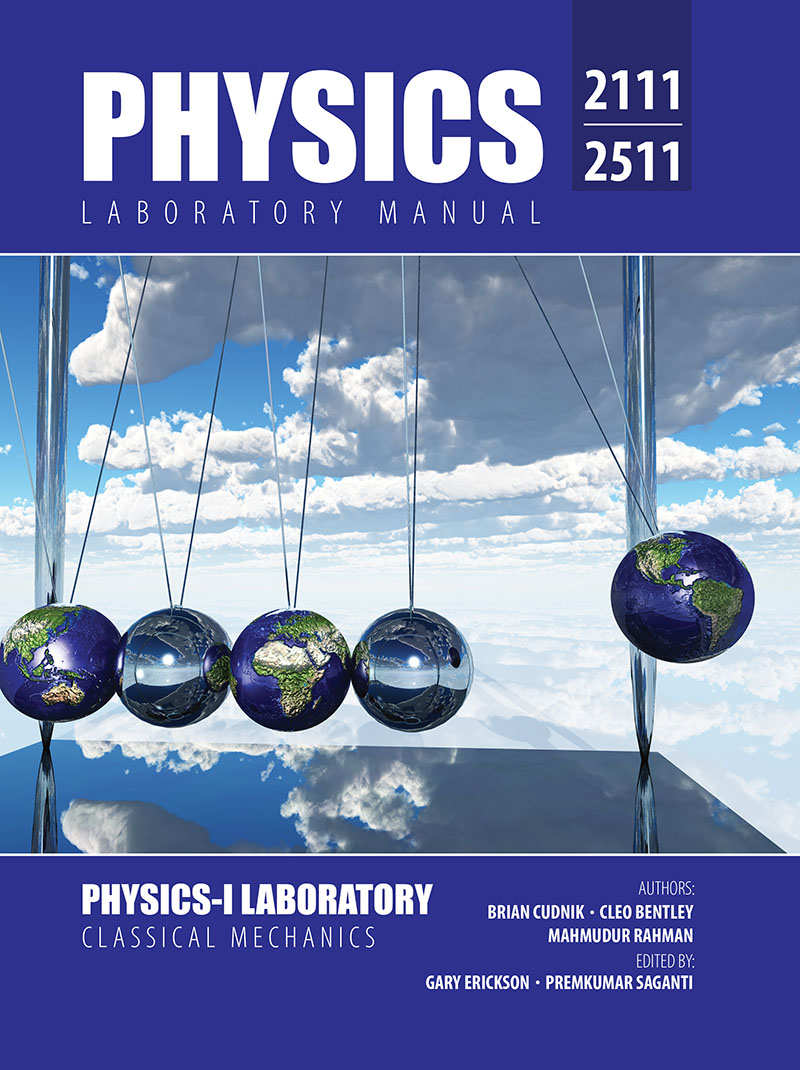
Physics 2111/2511 Laboratory Manual: Physics I Laboratory Classical Mechanics teaches students how to apply the scientific method in various physics situations. It gives descriptions of each laboratory and explains some of the concepts required to be understood in order to complete the course. This lab manual also illustrates concepts through everyday life examples.
Significant revisions were made to many of the “E”, “OP”, “Q” and “S” series of experiments before the 2012-2013 academic year. These revisions were made by laboratory coordinator Anthony Moeller with feedback from TAs and lab setup crew members. Many of these changes reflect the significant advances in available technology since these series of experiments were first introduced. Some highlights of these revisions include: a new current balance experiment with amazingly precise results, an addition to the parallel plate capacitor experiment where students measure the capacitance with two…

Students are usually curious about experiencing physics phenomena, for example, feeling a torque, sensing heat transfer, observing the spectra of light, and measuring voltages and currents. If presented in a proper way, these experiences will excite the imagination and understanding. By creating a stronger experience, the likelihood of transferring these ideas to long-term memory and understanding is increased. That is more important than learning to solve clever numerical problems with no sense of relevance to life or career.

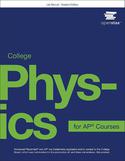
Student Lab Manual Supplement for OpenStax College Physics for AP Courses (spiral bound)
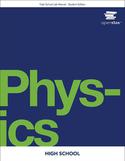
Student Lab Manual Supplement for classes using OpenStax High School Physics (spiral bound)
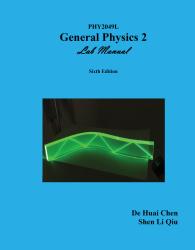
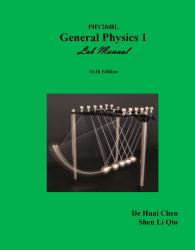
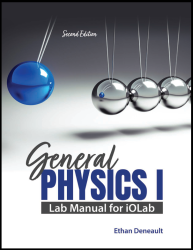
General Physics I: Lab Manual for iOLab is designed for the first semester of a two-semester physics sequence. Using the innovative iOLab device, all but one of the ten included mechanics-based labs can be done either in a classroom setting or remotely at home. This manual is designed to provide flexibility for hybrid, remote, and in-class laboratory courses at the university level.
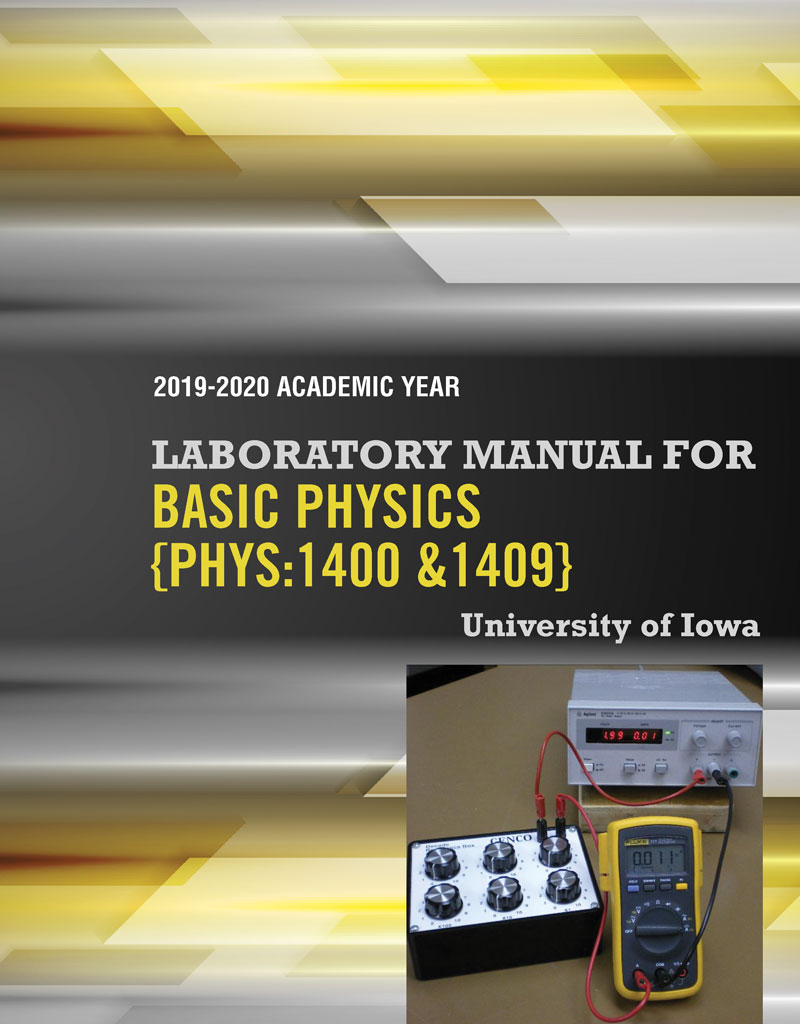
Laboratory Manual for Basic Physics is intended for a one-semester survey course for physics, PHYS:1400, Basic Physics.
Many of the experiments used in this course were originally designed for more advanced courses. The original authors of these experiments were John Goree and Chuck Williamson. In recent years many of these experiments have been adapted into experiments more appropriate for this course. Several of the previously existing experiments (also written by Goree and Williamson) also underwent significant revision. These adaptations and revisions…
New Publication Now Available!
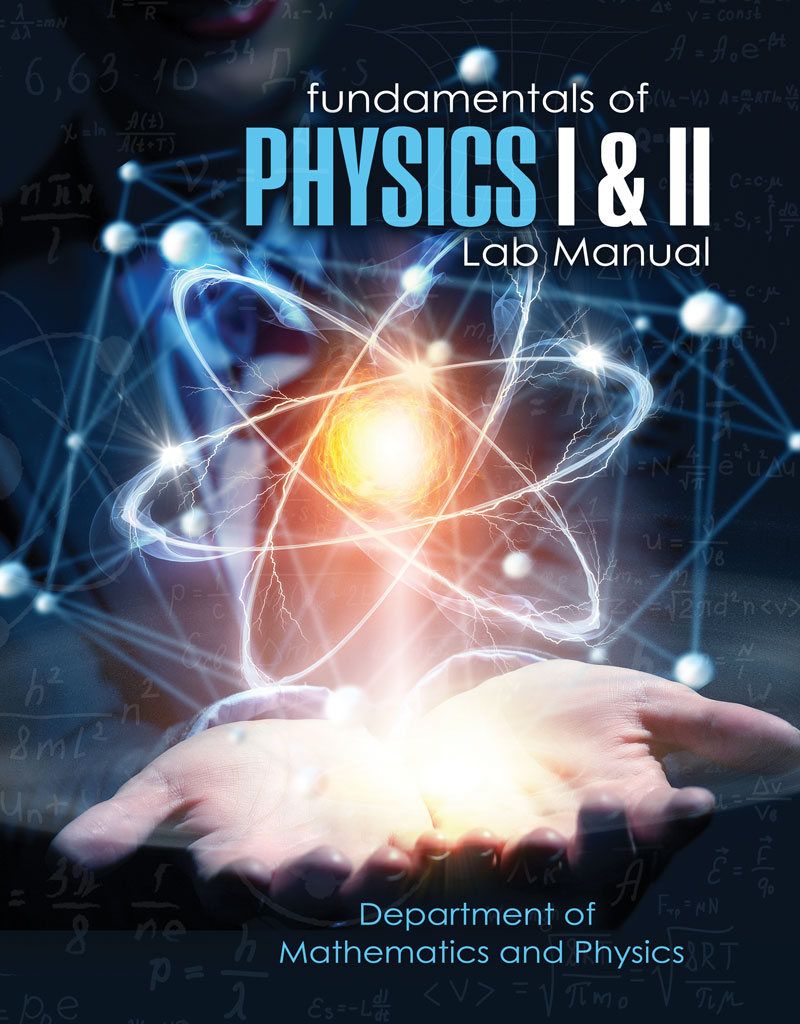
Physics is a quantitative science. Relationships among physical properties may be expressed in the language of mathematics. Students are introduced to these relationships in lecture courses such as Grambling State University’s Fundamentals of Physics. Scientists follow well-defined procedures using calibrated scientific instruments to measure physical properties under controlled conditions. Fundamentals of Physics provides students with opportunities to work with…