You're Holding the Key to a Complete Distance Learning Introductory Chemistry Course for Non-Science Majors.
Understanding Chemistry in Our World takes students on a journey of experimentation and investigation. The concepts they learn will guide them to identify chemistry at work in everyday situations, and hopefully inspire them to explore new topics outside of the classroom.
Now you can offer an introductory chemistry course at your institution in any delivery format -- online, hybrid, or face-to-…
Process Oriented Guided Inquiry Learning (POGIL) is a method of instruction where each student takes an active role in the classroom. The activities contained in this collection are specially designed guided inquiry activities intended for the student to complete during class while working with a small group of peers. Each activity introduces essential organic chemistry content in a model that contains examples, experimental data, reactions, or other important information. Each activity is followed by a series of questions designed to lead the student through the thought processes that…
Quantum Chemistry & Spectroscopy: A Guided Inquiry was developed to facilitate more student-centered classroom instruction of physical chemistry using Process Oriented Guided Inquiry Learning (POGIL). The activities guide students through a wide variety of topics found in a typical undergraduate quantum physical chemistry course. The text introduces quantum phenomena, presents the postulates of quantum mechanics, and then applies these postulates to model problems of increasing sophistication – the particle-on-a-line (in one and two dimensions), the harmonic…
The Chem Activities found in Introductory Chemistry: A Guided Inquiry use the classroom guided inquiry approach and provide an excellent accompaniment to any one semester Introductory text. Designed to support Process Oriented Guided Inquiry Learning (POGIL), these materials provide a variety of ways to promote a student-focused, active classroom that range from cooperative learning to active student participation in a more traditional setting.
If you are interested in having instructor resources please reach out to …
In the newly updated 8th Edition, Chemistry: A Guided Inquiry continues to follow the evidence-based principles of inquiry learning, emphasizing the development of underlying chemistry concepts through analysis and interpretation of information. Part I includes activities that address most of the topics typically addressed in a first semester general chemistry course including atomic and molecular structure, states of matter, thermochemistry, and stoichiometry.
If you are interested in having instructor resources please reach out to…
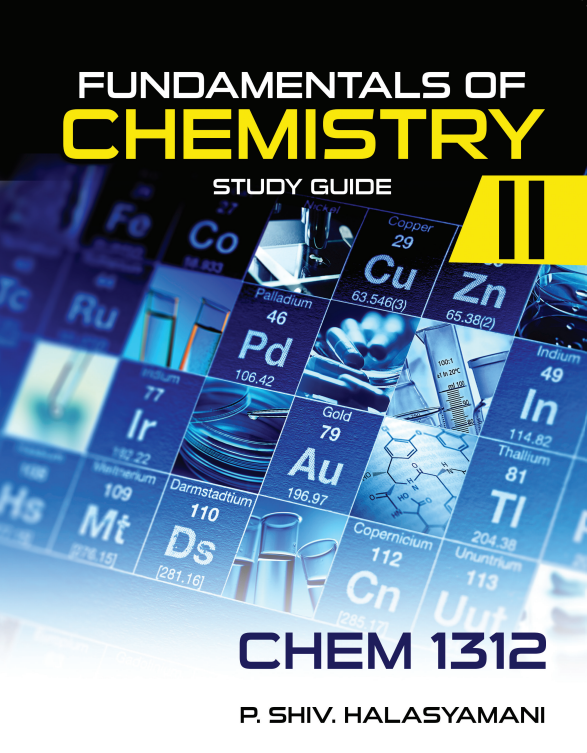
In the newly updated 8th Edition, Chemistry: A Guided Inquiry continues to follow the evidence-based principles of inquiry learning, emphasizing the development of underlying chemistry concepts through analysis and interpretation of information. Part II includes activities that address most of the topics typically addressed in a second semester general chemistry course including thermochemistry, equilibrium, kinetics, acids and bases, oxidation-reduction processes, and thermodynamics.
If you are interested in having instructor resources…
Biochemistry: A Guided Inquiry uses the philosophy of Process Oriented Guided Inquiry Learning (POGIL) to teach the fundamental concepts of biochemistry. In these activities, students will work in teams to explore models of biochemical information and develop essential ideas so they can more fully understand the discipline. In addition, they will intentionally practice process skills including teamwork, information processing, critical thinking, and communication. The topics in this book cover the major themes of biomolecules, metabolism, and the replication…
Chemistry 2e is designed to meet the scope and sequence requirements of the two-semester general chemistry course. The textbook provides an important opportunity for students to learn the core concepts of chemistry and understand how those concepts apply to their lives and the world around them. The book also includes a number of innovative features, including interactive exercises and real-world applications, designed to enhance student learning. The… |
If you are interested in having…
New Publication Now Available!

These lab experiments are designed for college students in the first semester of a general chemistry sequence. The labs have been designed to introduce the laboratory concepts and skills necessary for further study in a variety of STEM enabled programs. The book is aligned with the Southcentral Kentucky Community and Technical College Chemistry 175 lab course.

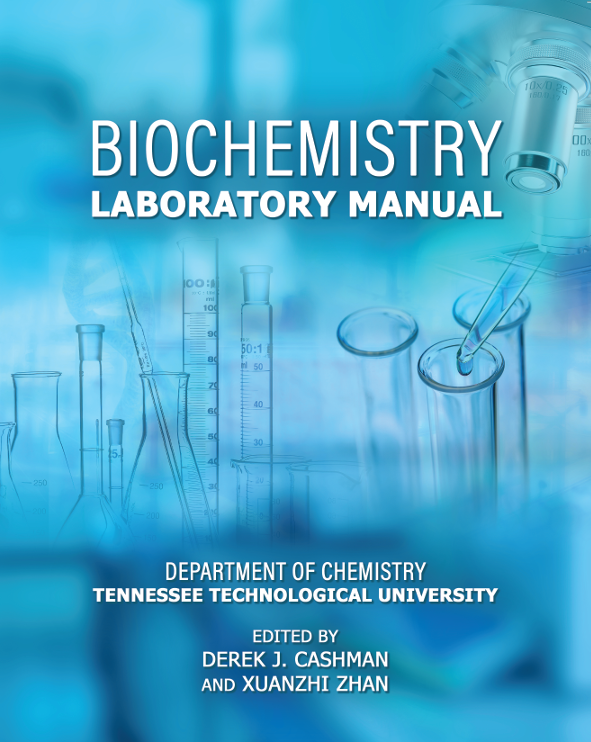
These lab experiments are designed for college students in a one semester general, organic, and biochemistry overview course. The labs have been designed to introduce basic laboratory concepts and skills necessary for further study in a variety of scientific, medical, or industrial fields. The book is aligned with the Southcentral Kentucky Community and Technical College Chemistry 135 lab course.

The laboratory techniques learned in Chemistry 221 are used to carry out reactions in aromatic substitution, organometallic chemistry, oxidation and reduction chemistry, esterification, and aldol condensations. A significant portion of the semester is devoted to determining the structure of unknown organic compounds, both theoretically in the spectroscopy section and practically in the separation and identification of an unknown compound, as well as verifying the identification of compounds synthesized in a lab. Success in the lab requires careful preparation—you must read…
The application of experimental techniques for solving chemical problems is essential for a full appreciation of chemistry and for science in general. Success in the lab requires careful preparation—you must read the experiment and complete each pre-lab assignment prior to coming to the lab. Your grade will be based on your performance in the lab, written reports, and your understanding of the chemical principles involved in the experiments.
The objectives of the laboratory sessions will provide the learners experience to:
- work safely and comfortably in the lab…

The study of organic chemistry can often strike fear and trepidation into the hearts and minds of students who are required to take this course of study in college. Having taught the topic in various institutions of higher education for over 25 years, Dr. Ternansky has developed a learning method that serves to simplify and unify the seemingly disparate behaviors of organic molecules. The method, dubbed the UDED method, has helped countless students to not only understand organic chemistry but to actually enjoy it! Indeed, several of Dr. Ternansky's former students changed their majors to…
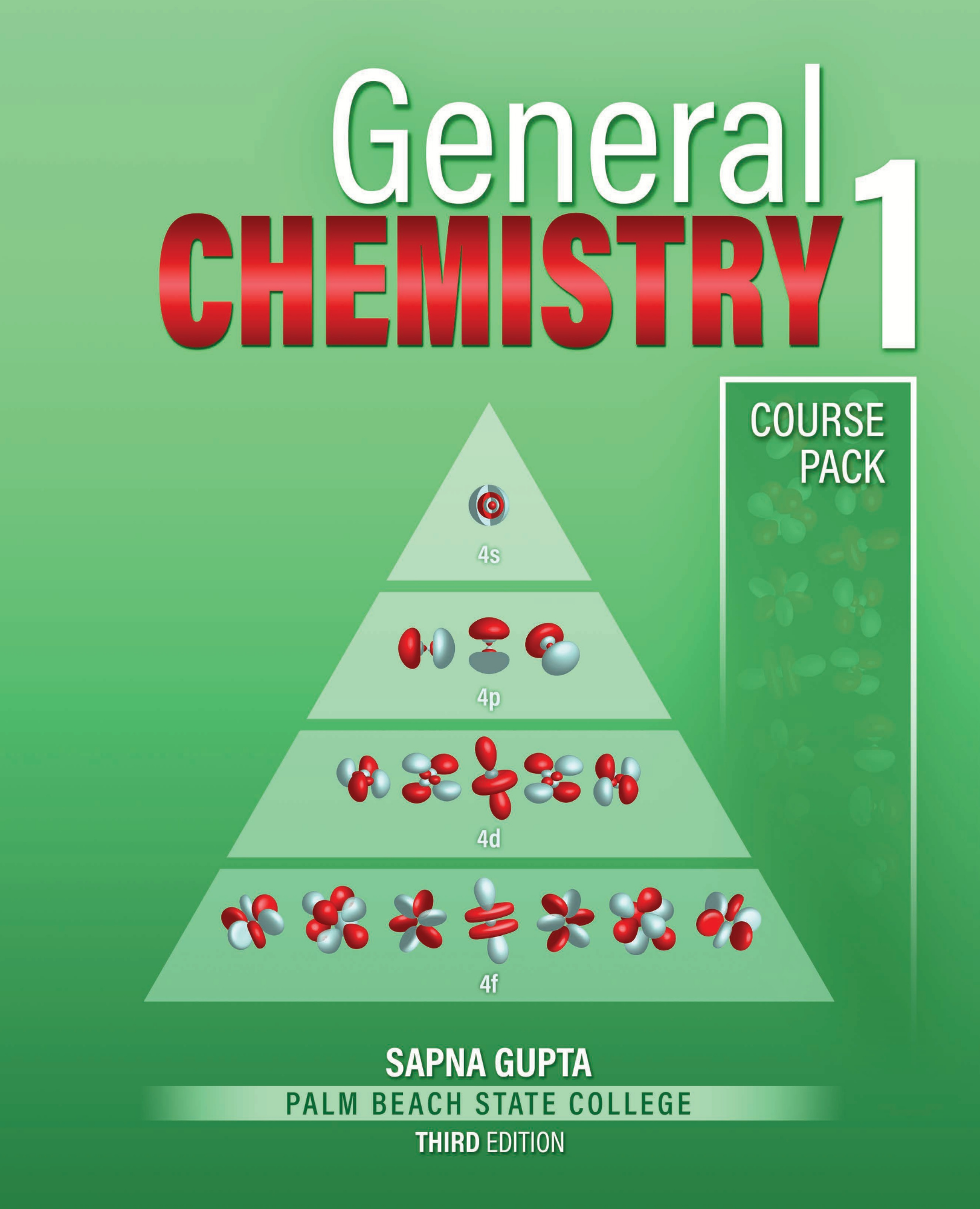
This course pack is designed for students of a General Chemistry 1 course. It is a self-sufficient manual that can help students learn and understand the concepts and practice problems at both simple and complex levels. The material has been developed by Dr. Sapna Gupta of Palm Beach State College, Lake Worth, FL.
Food Chemistry is an online turn-key course package that studies the properties of foods and food ingredients. It seeks to understand how chemical systems work in order to better control them to improve the nutritional value, safety, and preservation of foods.
The publication presents the basics of food chemistry while omitting a broader discussion of aspects related to the nutritional value, the processing and the toxicology of foods.
It covers the major areas of food science, including water, carbohydrates, proteins and lipids as well as…
Chemical Demonstrations for High School and General Chemistry is a collection of over 40 carefully curated demonstrations designed to bring chemistry to life in high school and introductory college classrooms. Grounded in over three decades of classroom and laboratory teaching experience, this book emphasizes clarity, accessibility, and conceptual rigor.
Each demonstration features low-cost, easily obtained materials and aligns directly with core topics in the chemistry curriculum—from classification of matter and gas laws to redox reactions and…

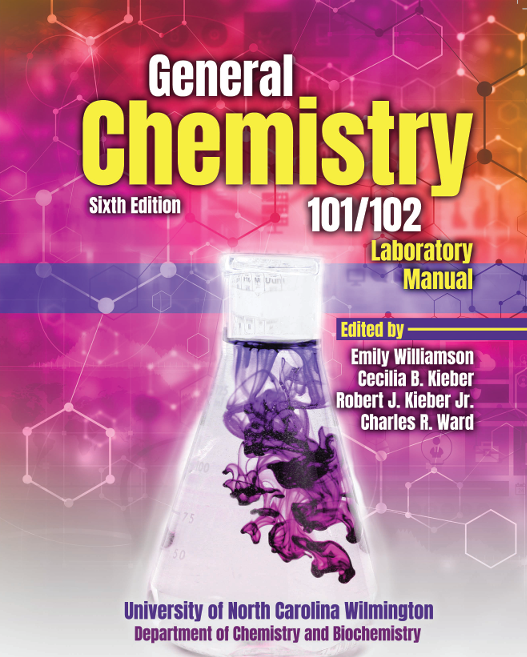
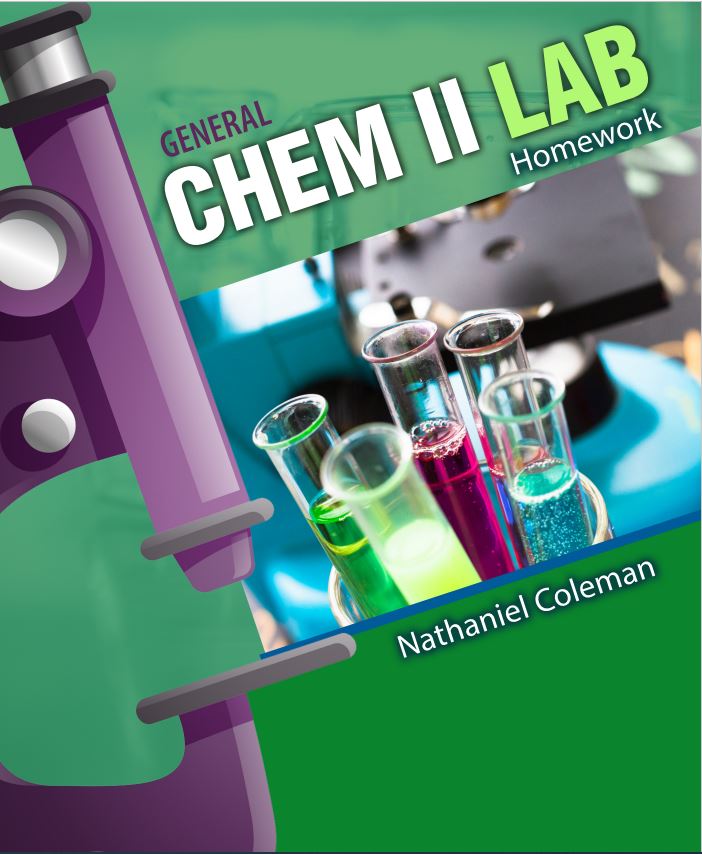
General Chemistry II: Lab Manual is written for a second semester General Chemistry lab course. The experiments are ordered to follow the presentation that most instructors use at Middlesex County College.
General Chemistry II: Lab Manual:
-utilizes Microsoft Excel® for data manipulation with a spreadsheet.
-includes the PassPort® system for data acquisition and DataStudio® software for data manipulation.
-provides easily removable pages containing pre-lab exercises, lab data, and questions to turn in…
New Third Edition Coming Soon For Spring 2024!
Chemistry is an integral part of the world around us, and a working knowledge of the chemical sciences is essential in becoming both scientifically literate and globally engaged. This lab manual is designed for those students looking to become more engaged with the world around them, focusing on the chemistry of more commonly seen materials and reactions and exploring the reasons behind them.
Elementary Chemistry Laboratory Manual covers topics ranging from general chemistry to organic chemistry, giving particular emphasis to how it relates to one’s…
Unlock a deeper understanding of organic chemistry with our innovative physical Scaffolded Workbook! While online homework systems often overlook the power of drawing in learning, we've designed a workbook that puts this essential practice front and center.
Our workbook helps students move beyond the limits of online assignments, building a solid foundation and reinforcing core concepts through scaffolded exercises that progress from basic principles to more advanced applications. By following our guided learning strategies students can truly grasp and apply abstract chemical ideas…
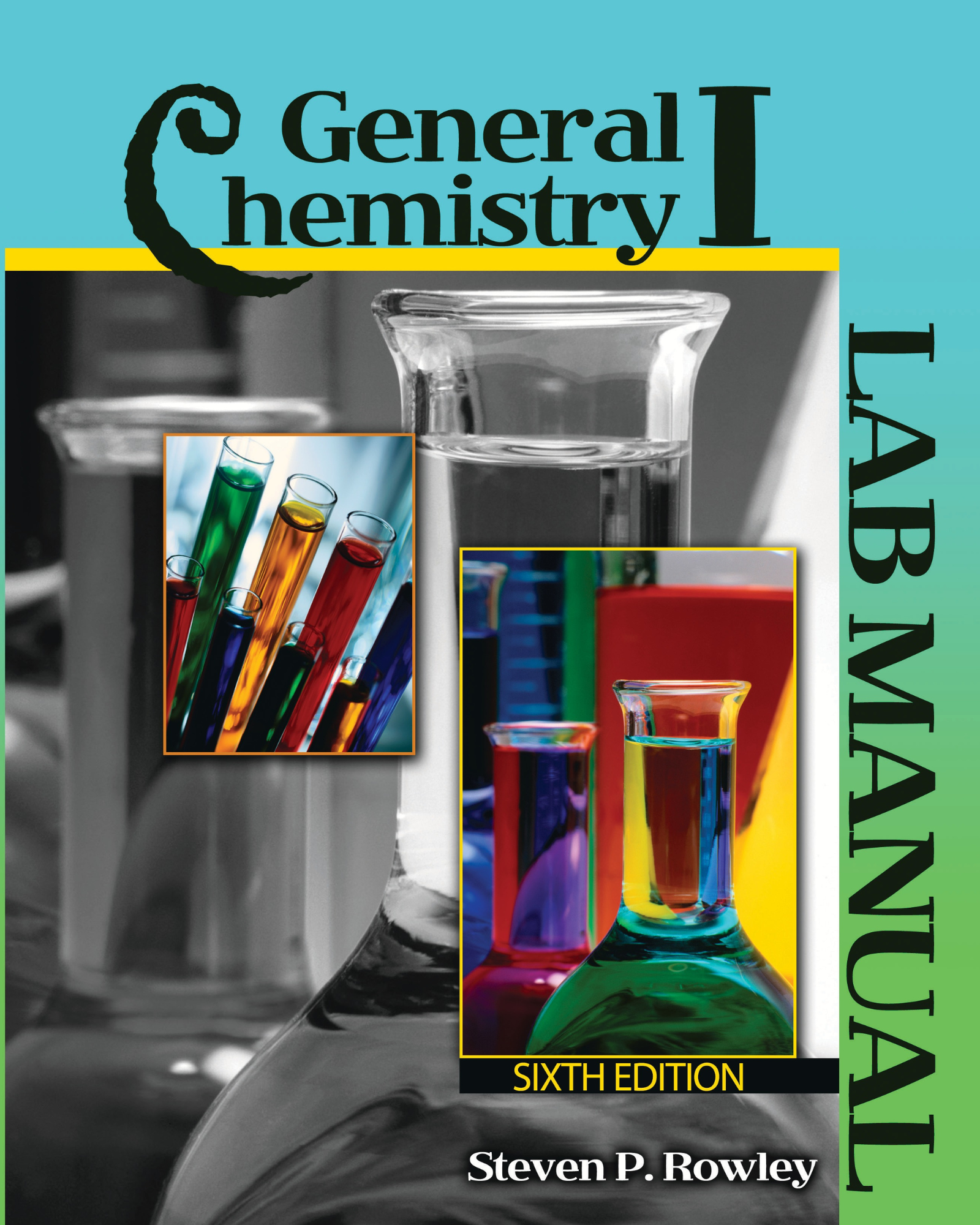
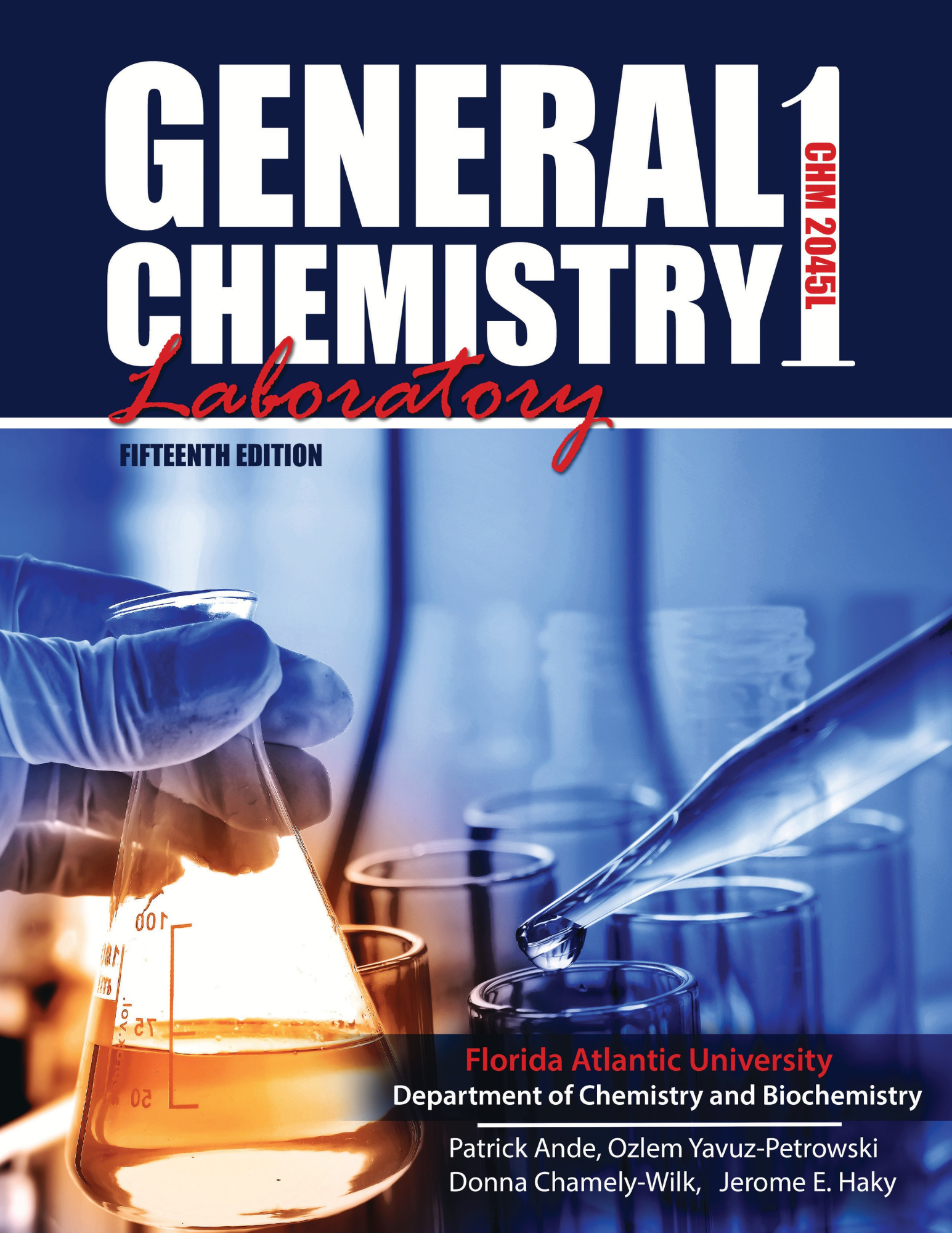
General Chemistry laboratory can be both very challenging and very rewarding for students. Steven Rowley’s General Chemistry I Laboratory Manual assists students in the understanding of chemistry. It is written for a first semester General Chemistry lab course. The experiments contained in it parallel the material in most General Chemistry textbooks.
Many of the experiments in this manual utilize Microsoft Excel for data manipulation with a spreadsheet. The manual is designed so that pages may be easily removed from it. Students can remove pages containing…
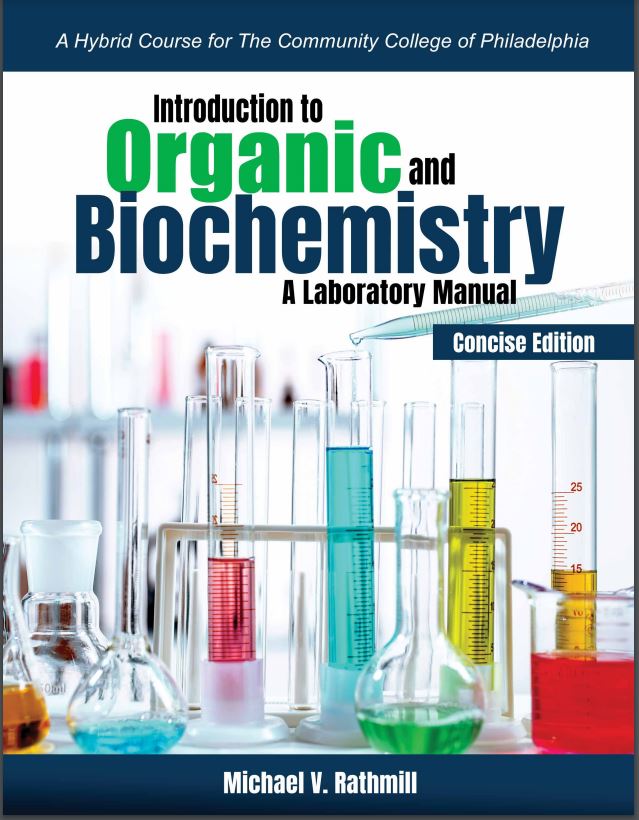
POGIL Laboratory Activities for Chemistry are specifically designed to incorporate and strengthen inquiry thinking patterns, process skills (such as teamwork, experimental design, and data pooling), and reflection and application skills. The procedures are built for students to get reliable data with appropriate facilitation. Each activity includes Pre- and Post-Experiment Questions along with the actual experimental method to be followed during a typical three-hour lab period. As with all POGIL materials, students should work in self-directed teams with the facilitator as a guide. Each…
New Edition Now Available!
This Organic Chemistry Laboratory Manual is a compilation of basic techniques and classic chemical reactions studied during two semesters of Organic Chemistry. The manual is designed to accompany Organic Chemistry Lecture and is geared towards students who require the subject to advance in majors such as Chemistry, Biochemistry, Biology and Neuroscience.
Students will learn techniques such as separation, extraction, recrystallization, and distillation; assay product purity and determine compounds…
eBook Version
You will receive access to this electronic text via email after using the shopping cart above to complete your purchase.
Laboratory Manual for Organic Chemistry, 2nd edition, has been extensively revised from its first edition. All of the exercises, for example, have been modified to improve product yield, better fit within the increasingly common three-hour lab period, and/or minimize hazardous waste generation. In addition to these improvements, four new exercises have been added: a synthesis of biphenyl via a Suzuki-Miyaura coupling reaction, a corresponding exercise that explores substituent effects on the reaction's yield, a chemistry drawing software exercise, and a vanillyl alcohol…
John McMurry's Organic Chemistry is renowned as the most clearly written book available for organic chemistry. In John McMurry's words, ""I wrote this book because I love writing. I get great pleasure and satisfaction from taking a complicated subject, turning it around until I see it clearly from a new angle, and then explaining it in simple words.""
In Organic Chemistry: A Tenth Edition from OpenStax, McMurry continues this tradition while updating scientific discoveries, highlighting new applications, scrutinizing every piece of…
Lab manual for Chem 106: Chemistry in Context II provides an introduction to the concepts of organic and biological chemistry research including but not limited to: chemical lab safety, chromatographic separation of plant pigments, soft drink sugar solution density, amino acids, an herbicide bioassay, caffeine extraction, aspirin synthesis, and soap synthesis from oils and fats.
Biochemistry in the Kitchen is designed for an introductory one-semester course for nonscience students who need to fulfill a requirement for a “lab-science course.” The intent is to provide these students with a robust understanding of biochemical phenomena illustrated in the context of cooking and other practical everyday experiences in the world around them. The book is “self-contained,” assuming only minimal previous exposure to science courses in middle school or junior high school. Questions are posed such as “What happens during cooking?,” “Why does that…
Essential Concepts of Chemistry contains twelve core chapters that are easy to understand. It contains a sound problem-solving strategy, numerous examples worked out step-by-step, excellent figures, tables and photos, appendices, and references throughout that demonstrate how chemistry connects to everyday life. It is written in a conversational style and contains many pedagogical features to assist students in mastering the subject.
Essential Concepts of Chemistry features:
- Applications of Chemistry in Today’s…